5 Anti-Slip Epoxy Coating Tips for Pool Decks
Anti-slip epoxy coatings improve pool deck and patio safety by adding texture that increases traction when concrete is wet, while sealing the surface against moisture, stains, and everyday wear. In hot, humid areas such as Greenville, Travelers Rest, and Fountain Inn, the right coating system can also refresh appearance and simplify cleaning.
Why does a pool deck need anti-slip protection?
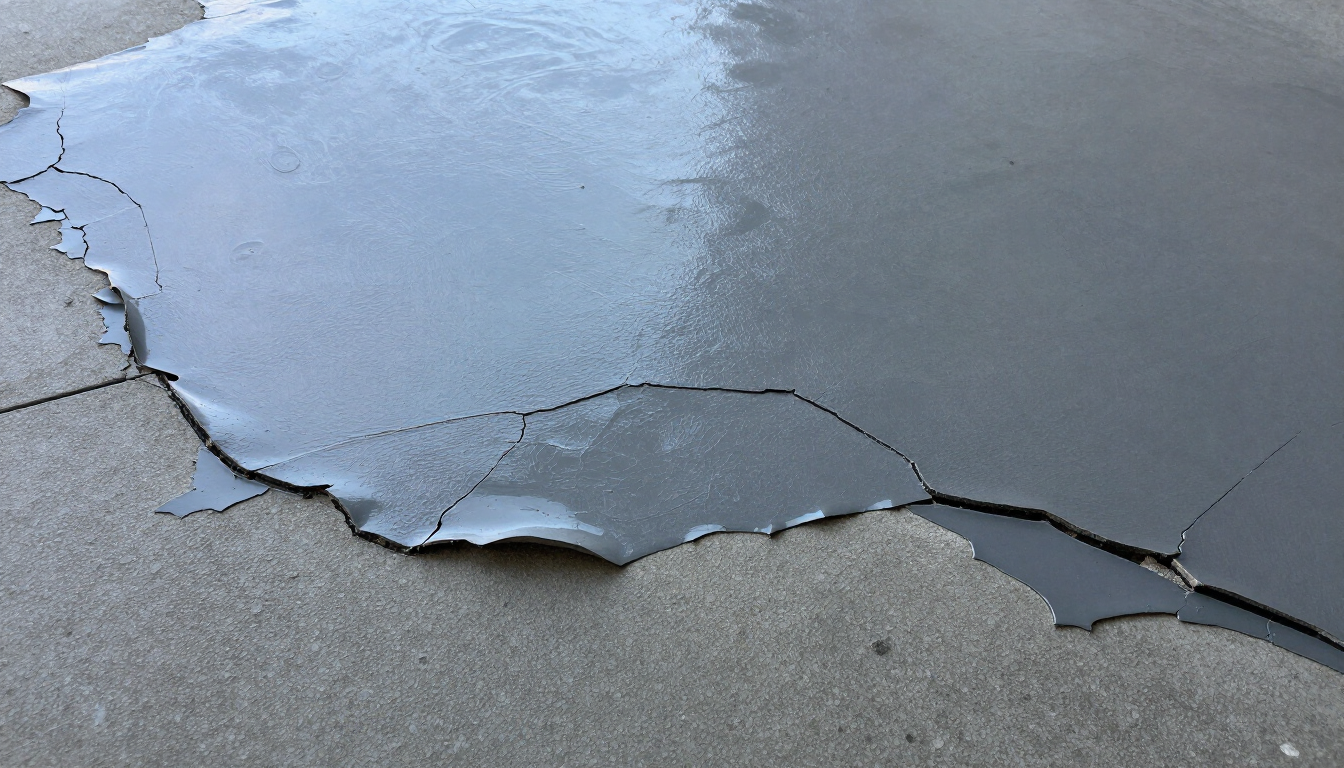
Pool decks, patios, and porches face a combination of water, sunscreen, dirt, leaves, algae, and bare feet. A smooth, sealed surface may become uncomfortable or hazardous when wet. Ordinary painted concrete can also peel when moisture moves through the slab or when the coating is applied without proper preparation.
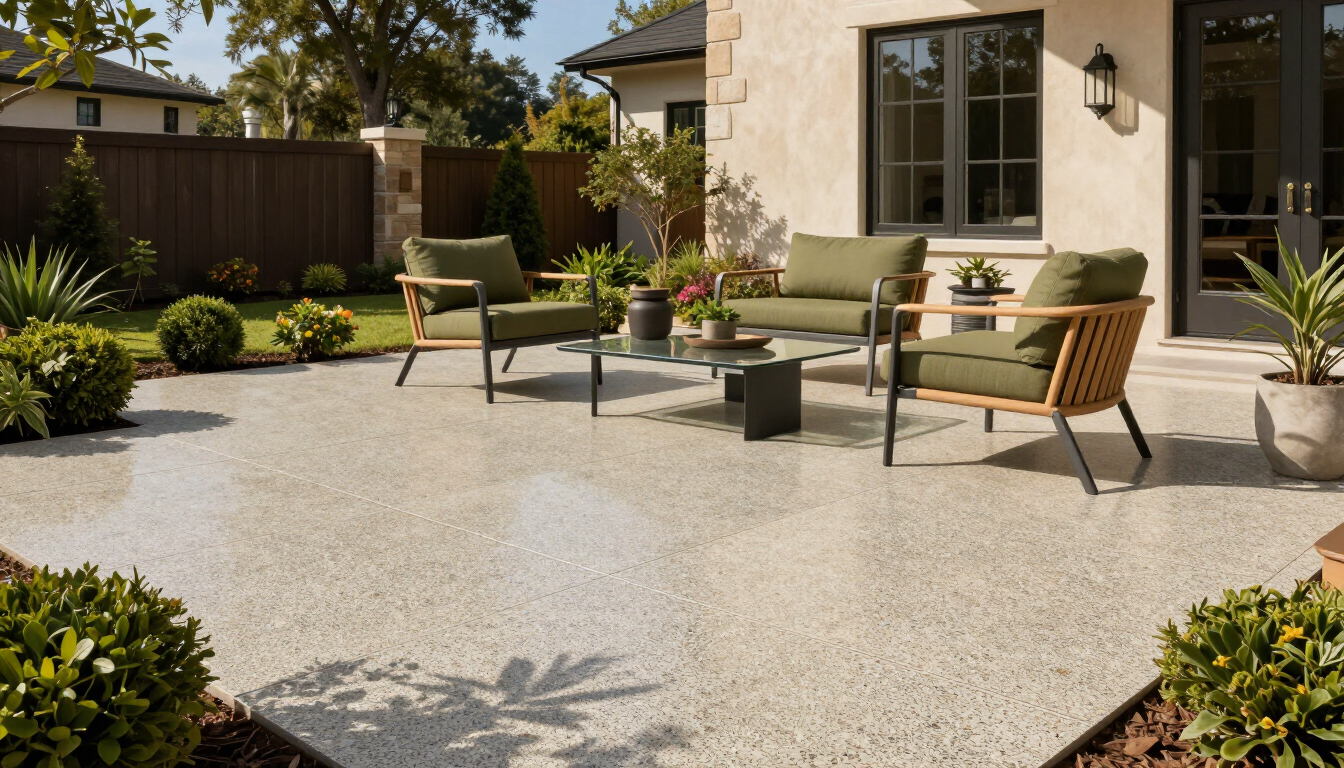
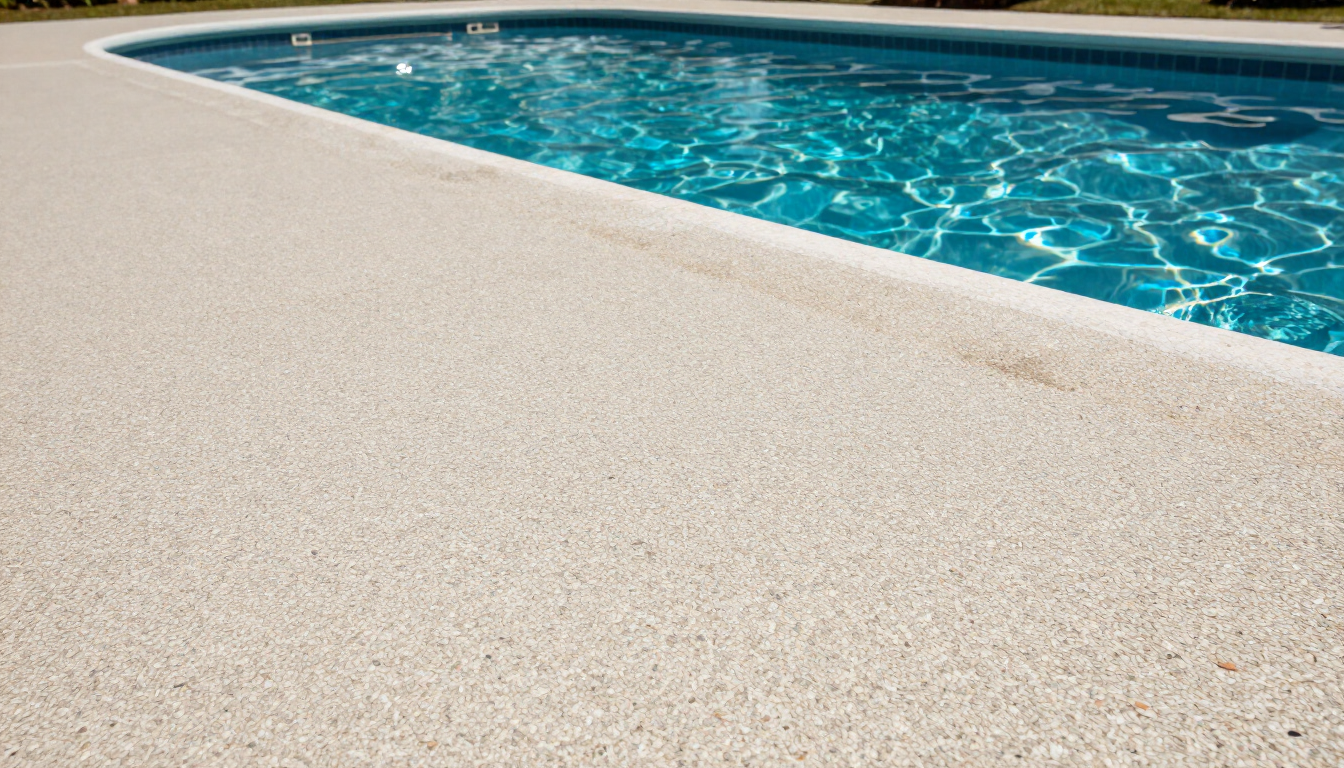
Anti-slip epoxy coatings address traction by incorporating a texture additive or broadcast aggregate into the coating system. The result is a more secure walking surface without giving up the clean, finished appearance many homeowners want around a pool or outdoor living space.
This is especially useful for families with children, older adults, pets, or frequent guests. Traction matters most at transition areas, steps, pool edges, outdoor kitchens, and locations where water regularly collects.
What are the benefits of anti-slip epoxy coatings outdoors?
A professionally installed system can provide several practical advantages:
- Improved wet traction: Texture helps shoes and bare feet grip the surface more reliably.
- Simpler maintenance: A sealed coating leaves fewer porous areas for dirt, spills, and organic debris to settle.
- Better visual consistency: Flake, solid-color, and decorative finishes can cover discoloration and minor surface variation.
- Resistance to everyday wear: The correct topcoat helps the surface handle foot traffic, patio furniture, and routine cleaning.
- A more finished outdoor space: Color and texture can make an older concrete area look intentional rather than patched or unfinished.
For additional context, compare options for pool deck epoxy , patio epoxy flooring , and outdoor epoxy for concrete .
Is epoxy suitable for hot, humid South Carolina weather?
It can be, but outdoor performance depends heavily on the complete system and installation conditions. Heat and humidity do not automatically make a coating fail. Problems usually develop when the concrete is damp, poorly prepared, contaminated, or coated with a product that is not appropriate for the environment.
Before installation, the slab should be evaluated for:
- Moisture vapor moving through the concrete
- Cracks, control joints, and deteriorated edges
- Previous paint, sealer, or failed coating
- Surface contamination from oil, grease, algae, or chemicals
- Drainage patterns and areas where water remains after rain
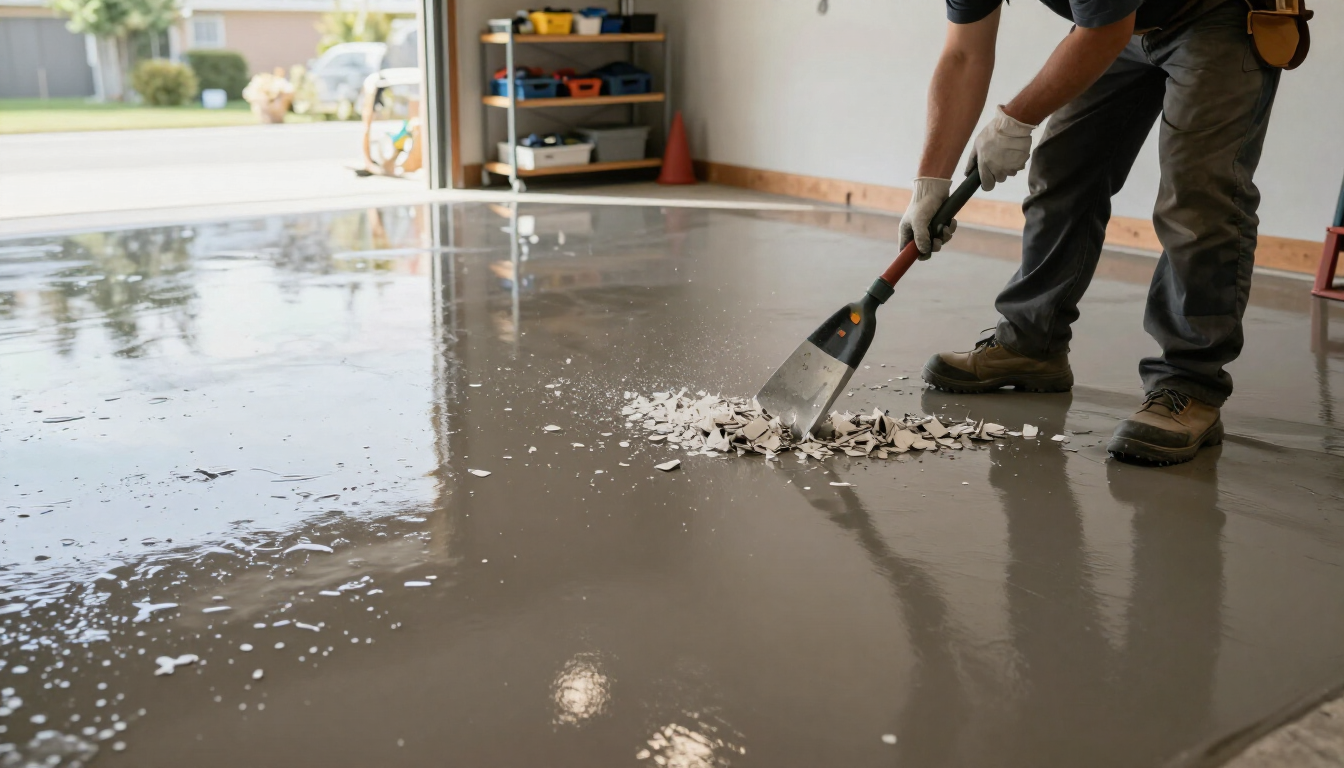
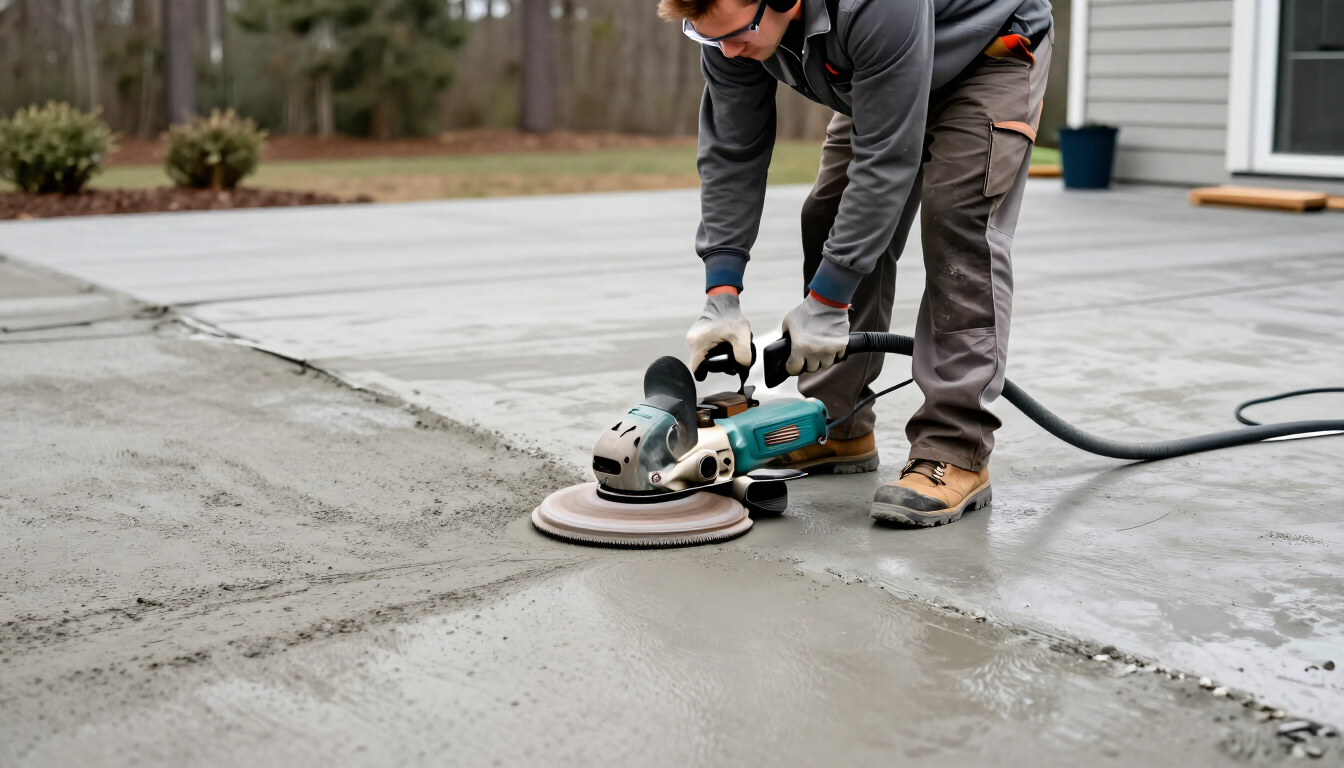
Mechanical grinding is typically more dependable than light pressure washing alone because it opens the concrete profile and removes weak surface material. Cracks and joints should be addressed as part of the preparation plan, not hidden beneath the coating.
In places such as Travelers Rest and Fountain Inn, seasonal humidity and intense summer heat make substrate preparation particularly important. A coating may look excellent on installation day but still fail early if moisture or weak concrete was ignored underneath.
Epoxy, polyaspartic, or another outdoor coating?
The best material depends on the slab, exposure, schedule, and desired finish. Epoxy is often selected for its strong bond and decorative flexibility. Polyaspartic systems can offer faster return to service and strong resistance to ultraviolet exposure when the formulation and topcoat are appropriate. Other systems may be better for specific commercial or industrial conditions.
A basic comparison:
| Coating option | Common strengths | Important consideration | |---|---|---| | Epoxy | Strong adhesion, color options, decorative flake finishes | Needs careful curing and UV planning outdoors | | Polyaspartic | Fast installation, durable topcoat options, UV stability | Short working time requires experienced installation | | Polyurea | Fast cure and flexible system design | Product selection and moisture conditions are critical | | Concrete sealer | Lower-cost surface protection | Usually offers less build, coverage, and texture control |
Read more about polyaspartic floor coating before choosing a system based only on cure time. The surface preparation, broadcast aggregate, primer, base coat, and topcoat all influence the finished result.
How much texture should an anti-slip coating have?
More texture is not always better. A very aggressive profile may improve traction but can feel rough under bare feet, hold more debris, or make cleaning less convenient. A smoother finish may be easier to maintain but provide less grip when wet.
The right balance depends on how the area is used:
- Pool surrounds: Choose dependable wet traction with a texture that remains comfortable for bare feet.
- Patios: Consider foot traffic, outdoor furniture, grilling, and how often the area is cleaned.
- Steps and transitions: Use consistent traction and make edges easy to see.
- Pet areas: Select a finish that offers grip without creating an overly abrasive surface.
- High-use commercial spaces: Prioritize documented performance, cleaning requirements, and traffic levels.
A sample area can help homeowners compare texture, color, and reflectivity before the entire slab is coated.
Design choices that improve appearance and visibility
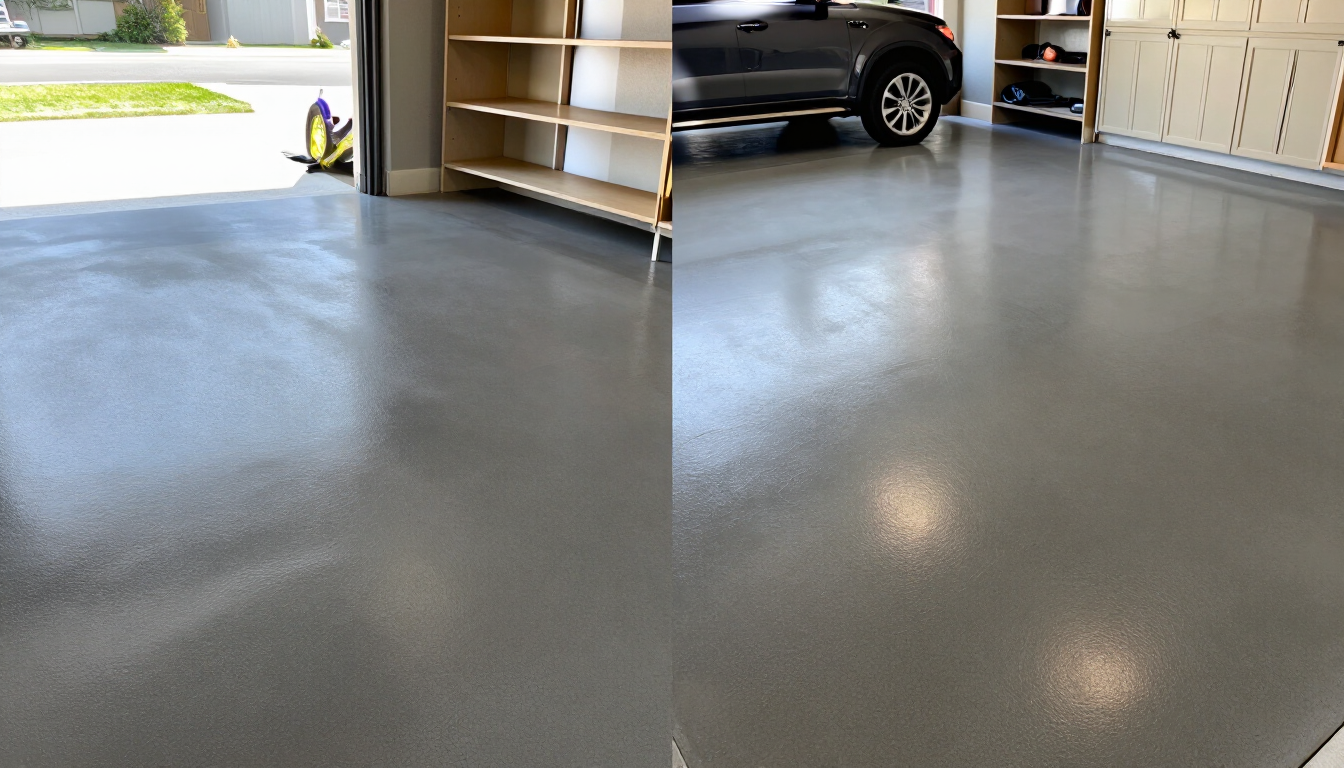
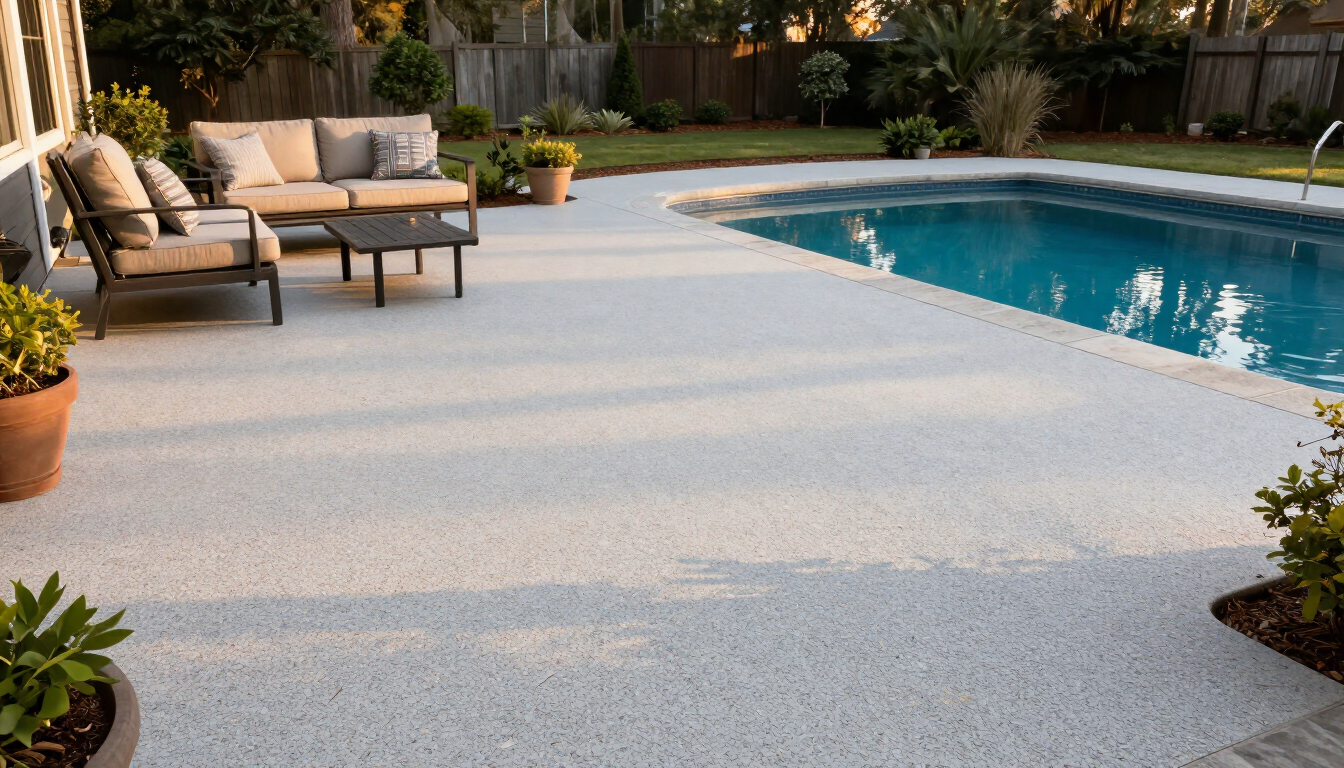
Safety does not require a utilitarian-looking surface. Flake systems can add visual depth while helping disguise small variations in the concrete. Solid colors create a simpler modern appearance, while decorative blends can coordinate with siding, stone, furniture, or pool tile.
Color also affects heat and visibility. Darker surfaces may feel hotter in direct summer sun, while lighter finishes can make dirt and leaves more noticeable. A contrasting border or step detail may improve visual awareness around changes in elevation.
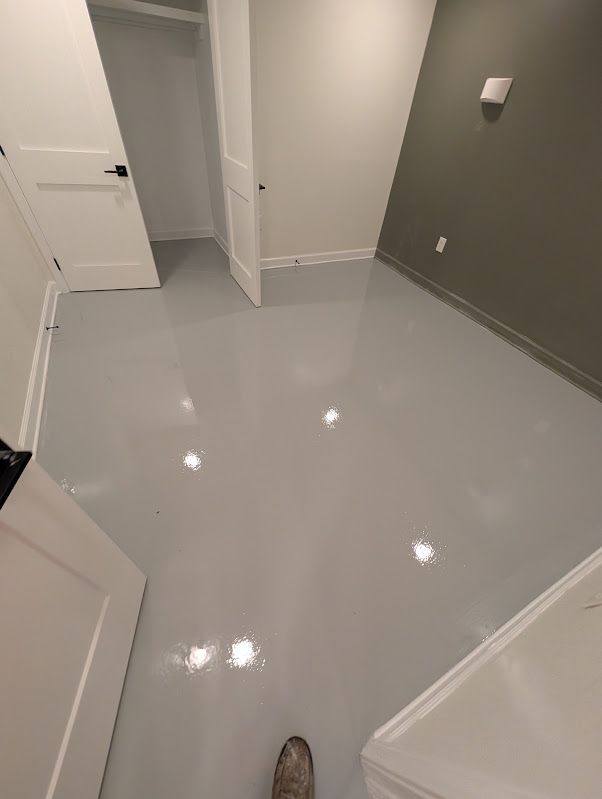
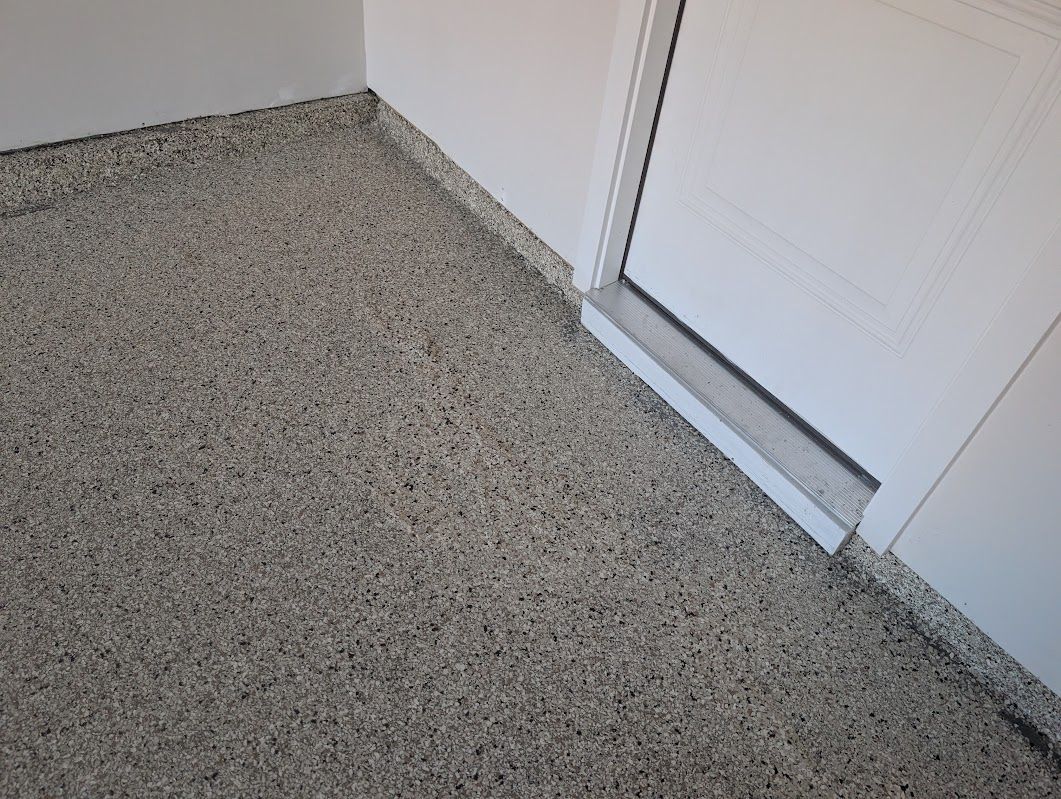
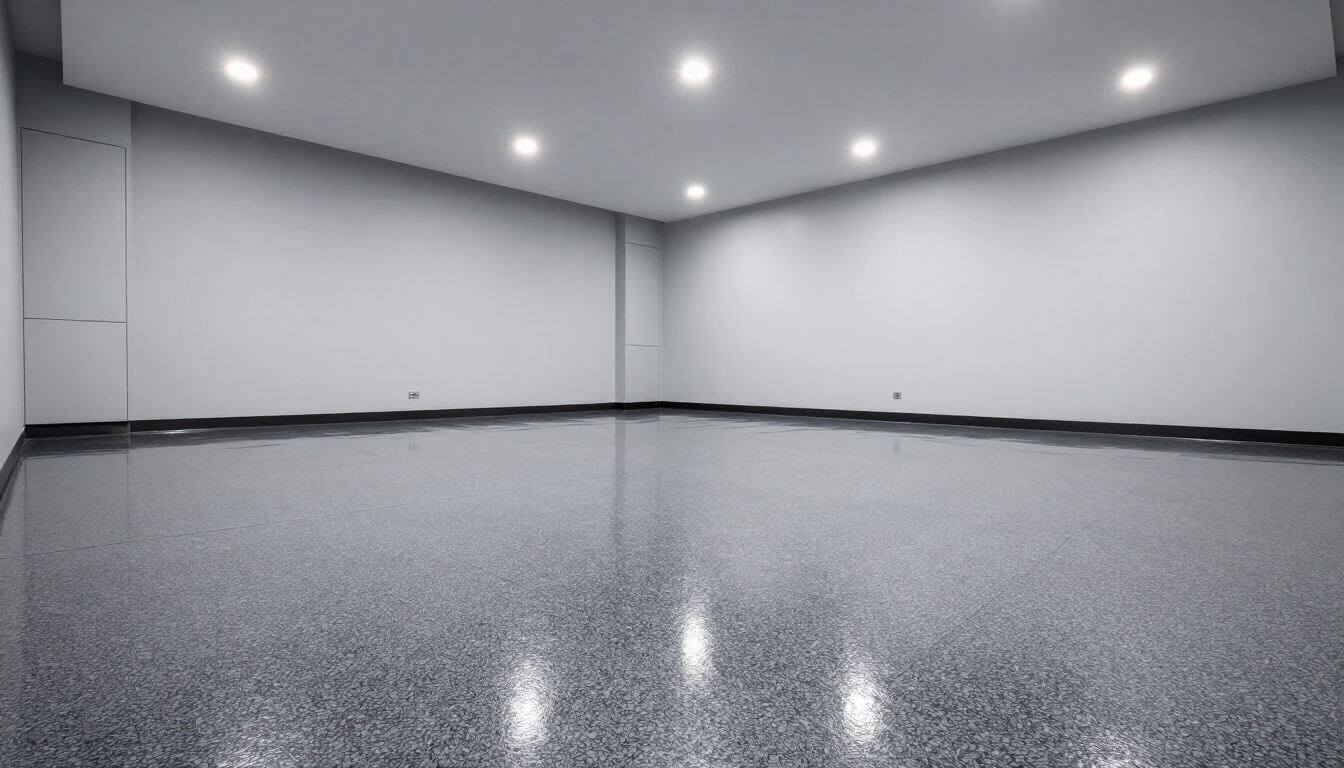
For examples of decorative approaches, see epoxy flake flooring or high-gloss epoxy floor coating . Outdoor areas usually benefit from a finish selected for use and maintenance first, with appearance built into that decision.
How should homeowners maintain an anti-slip pool deck?
Routine care is straightforward, but consistency helps preserve both traction and appearance:
- Sweep leaves, sand, and grit regularly.
- Rinse away chlorine, sunscreen, and organic debris before buildup occurs.
- Use a mild cleaner recommended for the coating system.
- Avoid abrasive pads, harsh solvents, and unapproved pressure-washing methods.
- Address peeling, standing water, or damaged joints before small issues spread.
Furniture feet should be fitted with non-marking protectors, and dragged objects should be avoided. Keeping drainage paths clear is equally important because constant ponding places more stress on the coating and substrate.
Frequently asked questions
Does anti-slip epoxy feel rough on bare feet?
It can, depending on the aggregate size and broadcast rate. A properly selected texture should improve wet traction without feeling unnecessarily abrasive. Ask for a sample or texture recommendation based on barefoot use.
Can an existing painted patio be coated?
Sometimes, but the existing material must be firmly bonded and compatible. Loose paint, sealer, oil, and weak concrete generally need to be removed. Coating over an unstable surface transfers that failure into the new system.
Is every epoxy coating UV resistant?
No. Outdoor sunlight can affect color and gloss, so the system should include products and a topcoat selected for exterior exposure. Product suitability matters more than simply calling a coating “epoxy.”
Should cracks be repaired first?
Yes. Cracks, joints, and damaged concrete should be evaluated and treated before coating. A coating can improve the surface, but it cannot correct movement or structural problems by itself.
The practical takeaway
Anti-slip epoxy coatings are a strong option when a pool deck or patio needs better wet traction, easier cleaning, and a refreshed appearance. They work best when the concrete is properly ground, repaired, evaluated for moisture, and finished with an outdoor-appropriate topcoat. Homeowners in Greenville, Travelers Rest, Fountain Inn, and nearby Upstate communities should compare texture, color, UV exposure, drainage, and maintenance needs—not just price. Start by assessing how the space is used, then review coating samples and choose the system that balances barefoot comfort, safety, durability, and appearance.