How Long Does an Epoxy Garage Floor Actually Last?
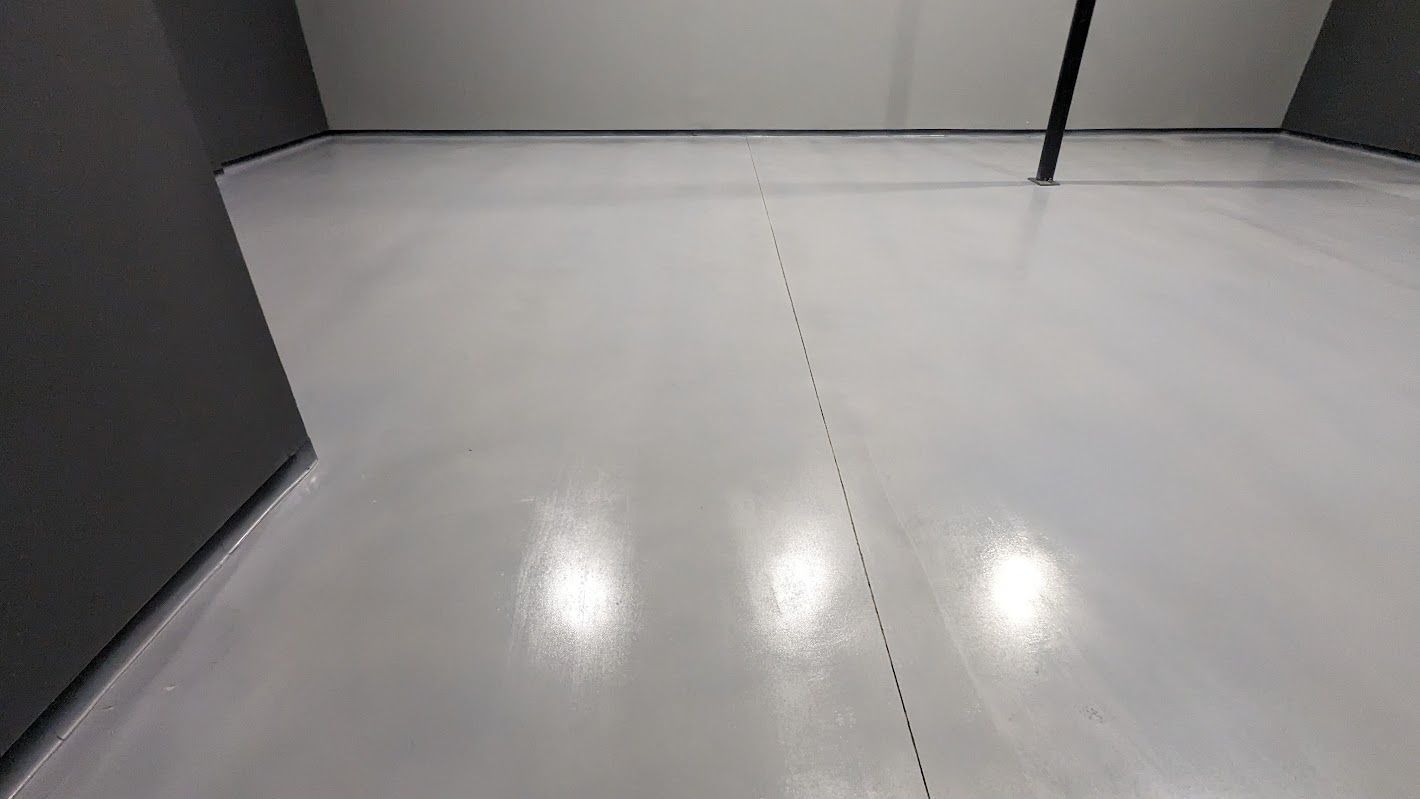
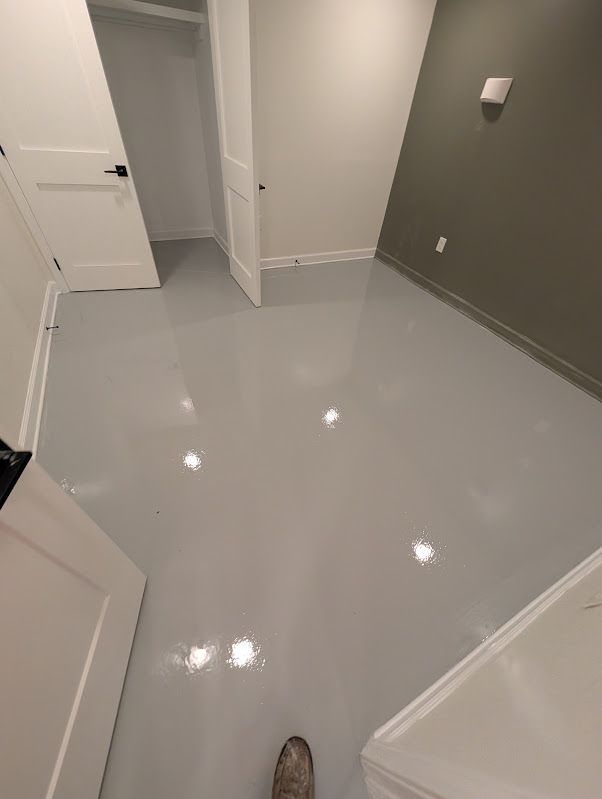
A professionally installed epoxy garage floor typically lasts between 10 and 20 years in residential settings. Its longevity is primarily determined by the quality of the substrate preparation, the chemical grade of the resins used, and the application of a UV-stable polyaspartic topcoat to resist abrasion and chemical damage.
What determines epoxy garage floor longevity?
When homeowners in the Upstate ask about the durability of their floors, they are often surprised to learn that the "epoxy" itself is only one part of the equation. The longevity of a coating system is a result of several intersecting factors that work together to create a permanent bond with the concrete slab. Understanding these factors helps you evaluate the long-term value of a Residential Epoxy Flooring Installation compared to temporary solutions like floor paint.
Key factors influencing your floor's lifespan include:
- Mechanical Bond Strength: How well the coating anchors into the concrete pores.
- Chemical Composition: The percentage of solids in the resin (100% solids vs. water-based).
- Substrate Health: The presence of moisture, oil contamination, or structural cracks.
- Topcoat Protection: The use of high-performance polyaspartic or urethane layers.
- Environmental Exposure: Direct sunlight, temperature fluctuations, and chemical spills.
In Greenville, SC, we deal with specific environmental challenges such as high humidity and red clay, which can wreak havoc on inferior coatings. A floor that isn't built to handle moisture vapor transmission from the soil beneath the slab will likely fail within three to five years, regardless of how "strong" the epoxy is on the surface. We prioritize moisture mitigation and industrial-grade materials to ensure the floor survives the local climate.
How does professional preparation impact the lifespan?
If you want a floor to last 20 years, you have to focus on the 90% of the work that happens before the first drop of resin touches the ground. At Greenville Epoxy Flooring, we emphasize that preparation is the foundation of durability. The goal of preparation is to achieve a specific "Concrete Surface Profile" (CSP), which is a measure of the roughness of the slab.
Professional installers use heavy-duty planetary diamond grinders to remove the top layer of "laitance"—the weak, brittle cream on top of new concrete. This process opens the capillaries of the concrete, allowing the epoxy to "wick" down into the slab. When the epoxy cures, it becomes part of the concrete itself, rather than just a film sitting on top. This is the difference between a floor that peels under a hot car tire and one that stays bonded for decades. Our Garage Floor Epoxy Coating process always involves these critical steps:
- Diamond Grinding: Removing old sealers and opening pores for a CSP 2 or 3 profile.
- Joint and Crack Repair: Filling divots and expansion joints with rigid or semi-rigid polymers to prevent telegraphing.
- Moisture Testing: Measuring the Moisture Vapor Emission Rate (MVER) to ensure the slab is dry enough for coating.
- Oil Decontamination: Using specialized degreasers or flame-treating to remove deep-seated oils that prevent bonding.
- Dust Management: Utilizing HEPA-filtered vacuums to ensure a clean surface for maximum adhesion.
Without these steps, even the most expensive industrial epoxy will eventually delaminate. Most homeowners who attempt a DIY project fail at this stage because acid etching—the common DIY prep method—is often insufficient for modern, power-troweled concrete slabs found in new construction across Greer and Simpsonville.
Why do hardware store epoxy kits peel after two years?
The primary reason for the failure of big-box store kits is the material chemistry. Most retail kits are water-based or solvent-based epoxies with low solids content (often around 40-50%). As the coating dries, the water or solvent evaporates, leaving behind a very thin, brittle film. This thin layer lacks the structural integrity to withstand "hot tire pickup," a phenomenon where warm tires expand and literally pull the coating off the floor as they cool and contract.
In contrast, our industrial systems use 100% solids epoxy. This means that 100% of what we pour onto the floor stays on the floor, resulting in a much thicker, more resilient build. A professional Epoxy Flake Flooring system is typically 3 to 4 times thicker than a DIY application, providing a significant buffer against impact, scratches, and heavy vehicle traffic.
Industrial-strength materials vs. water-based alternatives
To understand why a professional floor lasts so much longer, you have to look at the cross-linking density of the polymers. Industrial-grade resins are engineered with tighter molecular bonds. When the two components (resin and hardener) are mixed, a chemical reaction occurs that creates a dense, non-porous surface. This density prevents automotive fluids like oil, brake fluid, and gasoline from penetrating the coating and reaching the concrete.
Water-based alternatives are designed for ease of application and low odor, but they sacrifice durability. They are essentially a high-end floor paint. Over time, these coatings succumb to abrasion from road salt and grit brought in by tires. Once the surface is breached, moisture can get underneath, leading to widespread peeling. For those looking for something truly unique and long-lasting, a Metallic Garage Floor in Greenville, SC offers the same industrial strength but with an aesthetic that mimics natural stone or molten metal.
The importance of polyaspartic topcoats for UV protection
One of the biggest threats to an epoxy floor's longevity isn't traffic—it's the sun. Standard epoxy is sensitive to ultraviolet (UV) light. If exposed to direct sunlight for extended periods, such as the area near the garage door opening, epoxy will begin to "amber" or yellow and eventually become brittle (a process called chalking).
To combat this, a high-quality Polyaspartic Floor Coating is used as the final wear layer. Polyaspartic technology offers several advantages over traditional epoxy topcoats:
- UV Stability: It will not yellow or degrade under sunlight.
- Increased Hardness: It is significantly more scratch-resistant than epoxy.
- Chemical Resistance: It withstands harsh cleaning agents and automotive fluids.
- Flexibility: It can handle the expansion and contraction of the concrete slab without cracking.
- Fast Cure: It allows homeowners to return their cars to the garage in as little as 24 hours.
By layering a polyaspartic topcoat over a high-solids epoxy base, we create a hybrid system that captures the best of both worlds: the incredible bond of epoxy and the indestructible surface of polyaspartic. This is the secret to a floor that looks as good in year 15 as it did on day one.
How often should you clean an epoxy floor to maintain its shine?
Maintenance plays a critical role in how long your floor lasts. While epoxy is incredibly durable, it is not invincible. The biggest enemy of a glossy topcoat is dirt and grit. When sand and small rocks are tracked into the garage, they act like sandpaper under the weight of your vehicle's tires, slowly dulling the finish.
To maximize your floor's lifespan, follow these maintenance steps:
- Weekly Dust Mopping: Use a microfiber dust mop or soft-bristle broom to remove loose debris.
- Monthly Deep Clean: Use a gallon of hot water mixed with a few ounces of ammonia or a pH-neutral cleaner. Avoid soap-based cleaners, as they leave a film that makes the floor slippery and dull.
- Spill Management: Wipe up oil or chemical spills promptly. While the floor is resistant, leaving chemicals to sit for weeks can eventually stain the topcoat.
- Protect Against Scratches: Use pads under heavy equipment or welding mats if you do metalwork in your garage.
- Check the Clear Coat: Every 7-10 years, depending on traffic, you may want to have a professional lightly sand and apply a fresh topcoat to restore the original luster.
Technical signs your garage floor needs a rescue
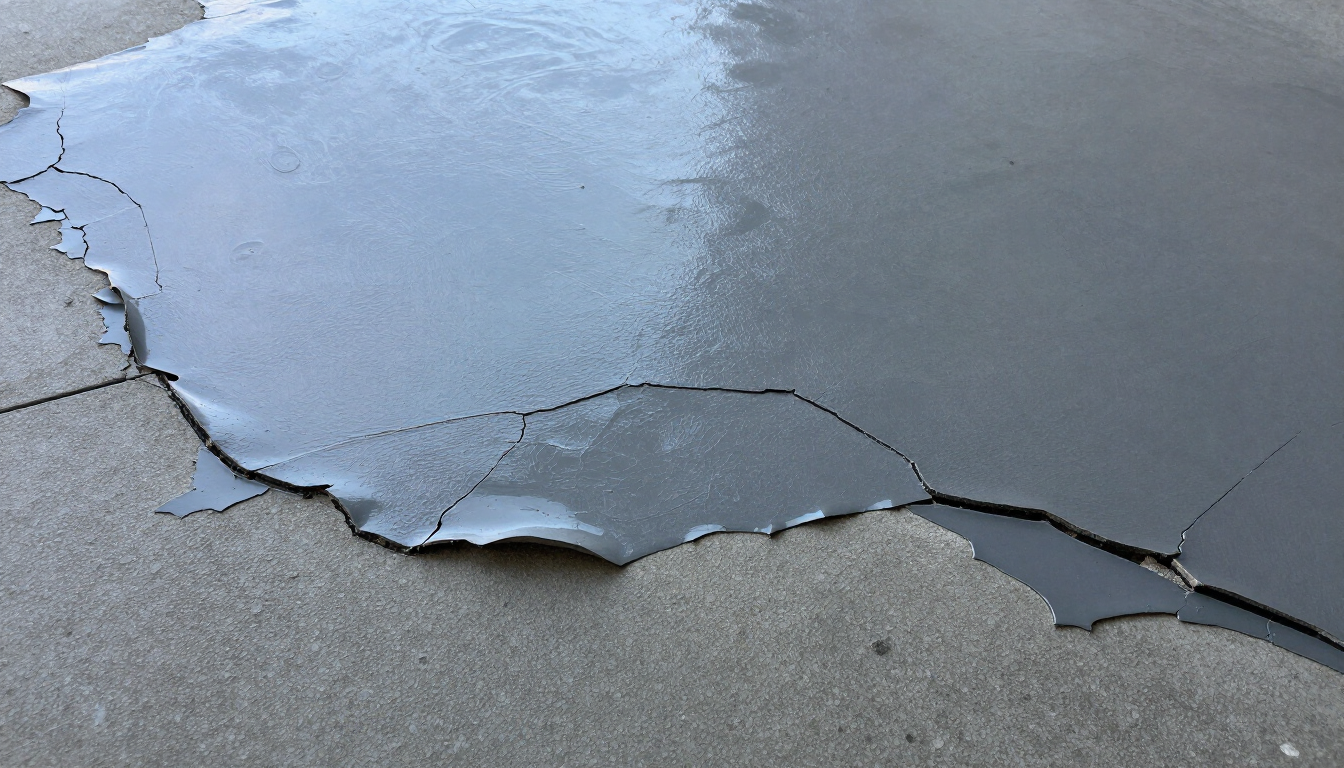
If you currently have a coating that is failing, it's important to recognize the signs before the damage reaches the concrete slab itself. Delamination (peeling) is the most obvious sign, usually caused by poor prep or moisture issues. Chalking, where a white powder forms on the surface, indicates UV damage. If you notice these issues, it is best to Contact a professional to evaluate if the floor can be recoated or if it requires a full grind-off and replacement.
We specialize in "failed-coating rescues," where we remove the old, subpar DIY paint and replace it with a system designed to last a generation. Whether you are in Easley, Travelers Rest, or downtown Greenville, your garage floor is an investment in your home's value and functionality. Don't settle for a 2-year floor when a 20-year floor is within reach.
Maximizing your flooring investment
A professional epoxy garage floor is a long-term solution that provides unparalleled durability and ease of maintenance. By choosing a craftsman-driven approach that prioritizes mechanical diamond grinding, moisture mitigation, and high-performance polyaspartic topcoats, you ensure your floor can withstand the heavy traffic and environmental conditions of the Upstate.
Takeaway Summary:
- Expect 10-20 years: With professional installation and proper maintenance.
- Preparation is everything: Mechanical grinding is non-negotiable for a permanent bond.
- Solids matter: Avoid water-based kits in favor of 100% solids industrial resins.
- Protect the finish: Use polyaspartic topcoats to prevent UV yellowing and scratching.
- Simple maintenance: Routine cleaning prevents grit from dulling the surface over time.