Solid Color, Flake, or Metallic: Choose Your Epoxy Finish

September 4, 2026

Share this article

Selecting the right epoxy flooring system requires balancing visual appeal with technical performance. Flake epoxy provides superior durability and slip resistance for garages; metallic epoxy offers a high-end, three-dimensional aesthetic for interiors; and solid color epoxy delivers a clean, seamless, and cost-effective finish for utility or industrial spaces.

Choosing the best option for your home or business in Greenville, SC, depends on your specific environment. Whether you are looking for a rugged surface to handle vehicle traffic or a decorative showpiece for a basement, understanding the differences between these epoxy finish types is the first step toward a successful installation.

What are the main types of epoxy flooring systems?

When homeowners and facility managers in the Upstate begin researching floor coatings, they often encounter a variety of terms like "epoxy," "polyaspartic," and "resin." However, the most visible difference lies in the finish system applied over the concrete. The three primary categories are solid color, flake (or chip), and metallic systems. Each starts with a rigorous preparation process—usually involving full substrate grinding to achieve a Concrete Surface Profile (CSP) of 2 or 3—and moisture mitigation to ensure the coating doesn't delaminate.

A residential epoxy flooring installation typically involves a multi-layer process. The first layer is a primer or base coat that penetrates the concrete pores. From there, the choice of finish dictates the middle and top layers. Solid color systems use pigmented resins throughout. Flake systems involve broadcasting vinyl chips into a wet base coat until the floor is fully saturated, creating a textured, multi-colored look. Metallic systems utilize mica-based pigments that are swirled into clear resin to mimic the appearance of stone or flowing liquid.

Understanding these systems is vital because they aren't just about looks. The thickness of the system, the amount of aggregate (flakes) included, and the chemical composition of the topcoat all affect how the floor will perform under heavy loads, chemical spills, or UV exposure. For example, while a standard epoxy might yellow under direct sunlight, a polyaspartic floor coating topcoat provides UV stability and higher scratch resistance, making it an essential component for many high-quality installs in South Carolina.

The Industrial Simplicity of Solid Color Coatings

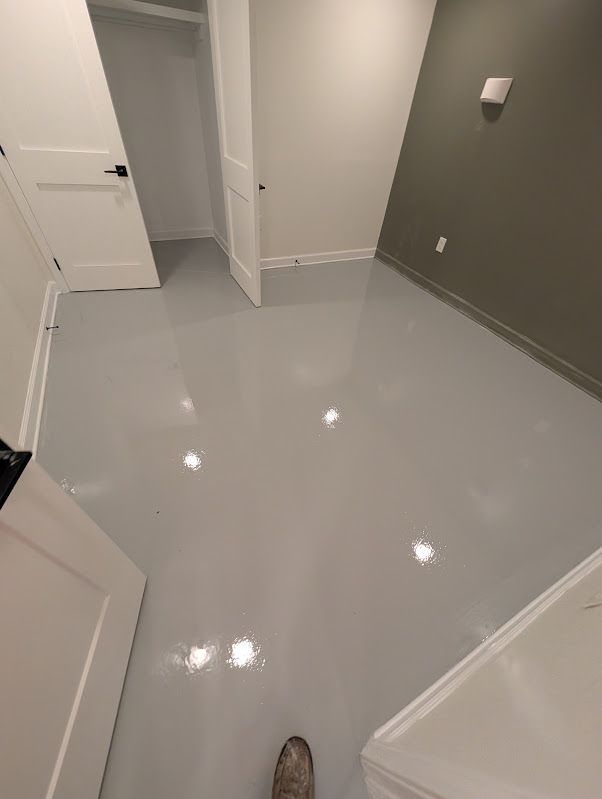
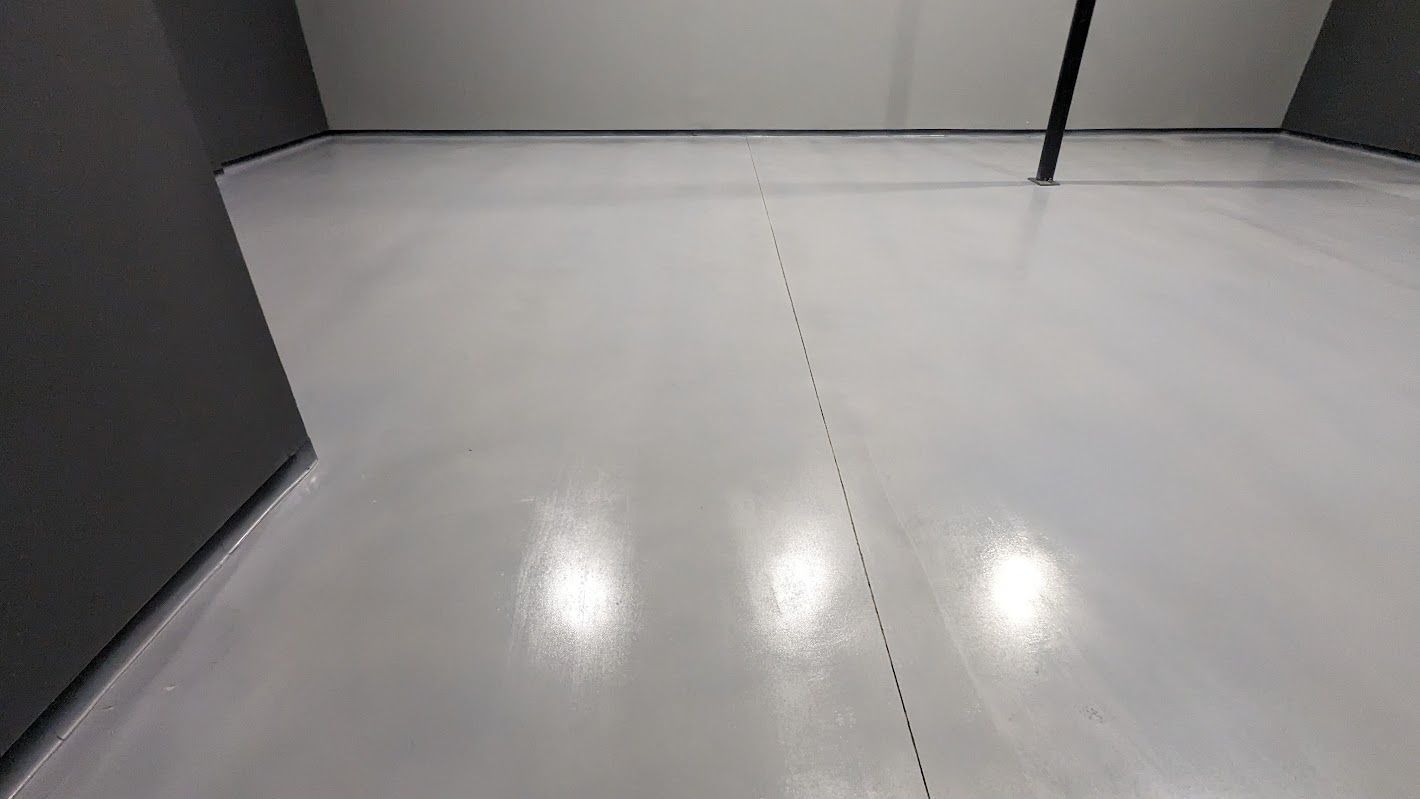
Solid color epoxy is the most straightforward flooring solution, but don't mistake simplicity for a lack of quality. This system consists of a pigmented base coat and a matching or clear topcoat. It provides a clean, uniform appearance that is highly functional. In commercial settings, such as warehouses or mechanical rooms, solid color coatings are often preferred because they make it easy to spot dropped parts, fluid leaks, or dust accumulation.

For a commercial floor coating project, solid colors offer an professional aesthetic that can be customized to match brand colors or safety zones. In a residential context, homeowners might choose solid colors for laundry rooms, mechanical closets, or minimalist modern basements. The primary advantage of a solid color system is its cost-effectiveness and ease of application compared to more intricate decorative systems. It provides a seamless barrier against moisture and chemicals without the added cost of decorative aggregates or artistic labor.

However, there are trade-offs to consider. Because the surface is a single, uniform color, it tends to show imperfections in the concrete slab more readily than a flake floor. It also highlights dirt, hair, and scratches more than a patterned surface. To combat this, we often recommend a high-durability urethane or polyaspartic topcoat with a satin or matte finish. This helps to diffuse light and hide minor surface abrasions that naturally occur over time. If you are looking for a "no-nonsense" floor that prioritizes utility and hygiene, solid color is an excellent choice.

Why is flake epoxy the standard for garage floors?

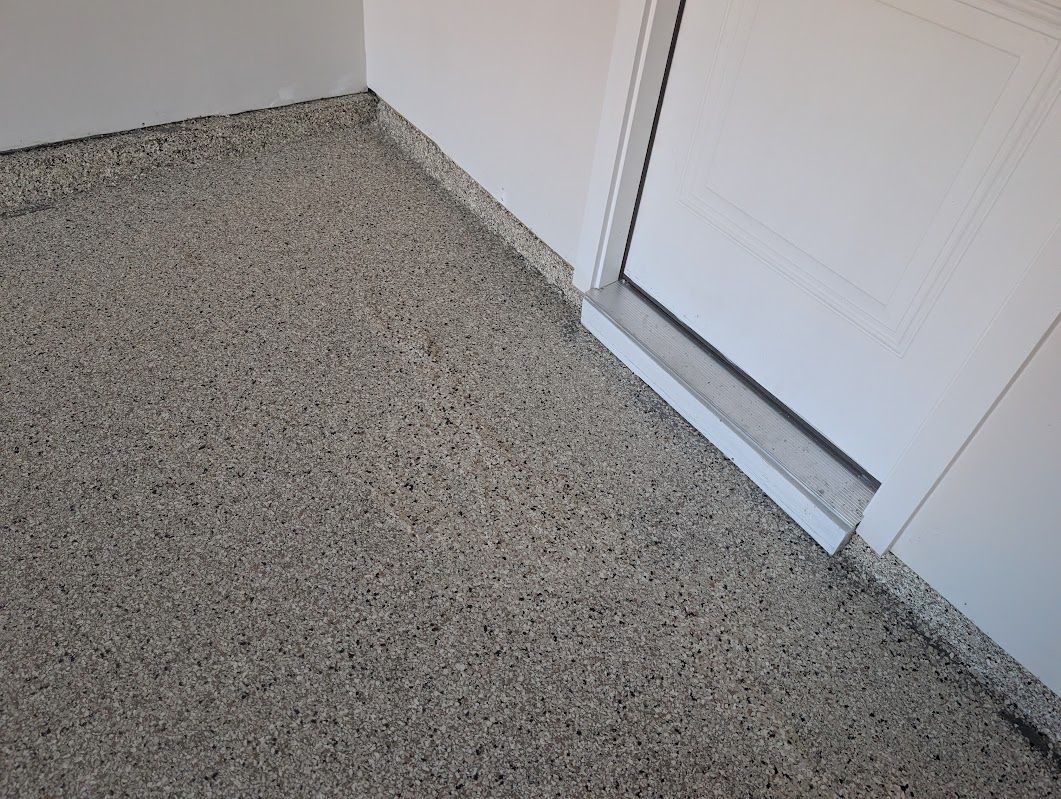
If you drive through neighborhoods in Simpsonville, Greer, or Easley, the vast majority of upgraded garages you see will feature epoxy flake flooring . There is a good reason for this: the flake system is the "workhorse" of the epoxy world. By broadcasting vinyl chips into the wet epoxy base, we create a floor that is significantly thicker and more impact-resistant than a standard two-layer solid color system.

The flakes serve several critical functions beyond just looking good:

  • Texture and Traction : The flakes create a slight orange-peel texture that provides natural slip resistance, even when the floor is wet from a rain-soaked car.
  • Camouflage : The multi-colored pattern is incredibly effective at hiding dust, salt, and minor debris that inevitably get tracked into a garage.
  • Durability : Each flake adds a layer of physical thickness to the system, helping it withstand the weight of heavy vehicles and the impact of dropped tools.
  • Aesthetic Variety : With hundreds of color combinations available, homeowners can match their floor to their home’s exterior or even their favorite sports team.

A professional garage floor epoxy coating using the flake method typically finishes with a clear polyaspartic topcoat. This ensures the floor won't yellow from the sun's rays entering through an open garage door and provides the chemical resistance needed to protect against hot-tire pickup, gasoline, and road salt. For most homeowners in the Upstate, this is the default recommendation because it offers the longest lifespan with the least amount of visible wear and tear.

How does metallic epoxy create a high-end interior look?

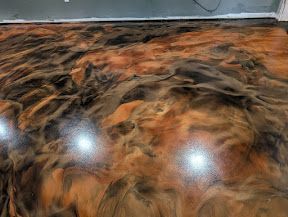
For those who want a floor that looks like a piece of art, metallic epoxy flooring is the undisputed champion. Unlike flake floors, which are textured and patterned, metallic floors are smooth, high-gloss, and completely unique. No two metallic floors are exactly the same because the way the pigments settle is influenced by the applicator's technique and the environmental conditions during the pour.

Metallic systems use pearlescent pigments that stay suspended in the resin as it cures. By using different application tools—like rollers, squeegees, or even leaf blowers—we can create effects that look like marble, molten metal, or deep ocean water. This makes it a popular choice for a basement concrete epoxy floor installation where the goal is to create a luxurious living space. We also see frequent requests for metallic systems in retail stores, hair salons, and office lobbies throughout Greenville where a "wow factor" is required.

While beautiful, metallic floors require a slightly different maintenance mindset. Because they are typically high-gloss and seamless, they can show fine scratches more easily than a flake floor. We often suggest a high-wear clear coat to protect the artistic layer. Additionally, because the surface is very smooth, it can be slippery when wet. We can add a specialized anti-slip aggregate into the final topcoat to provide traction without sacrificing the clarity of the metallic design. If your priority is interior design and a sophisticated, custom aesthetic, metallic epoxy is the way to go.

Durability, Moisture, and the Importance of Substrate Prep

Regardless of whether you choose solid, flake, or metallic, the durability of your floor isn't actually determined by the finish—it's determined by what happens under the finish. A common mistake in the DIY world is applying a coating over a floor that hasn't been properly prepared. At Greenville Epoxy Flooring, we focus on the technical details of the concrete itself before any color is chosen.

Proper preparation includes:

  1. Diamond Grinding : We use heavy industrial grinders to remove the top layer of the concrete, opening up the "pores" so the epoxy can form a mechanical bond.
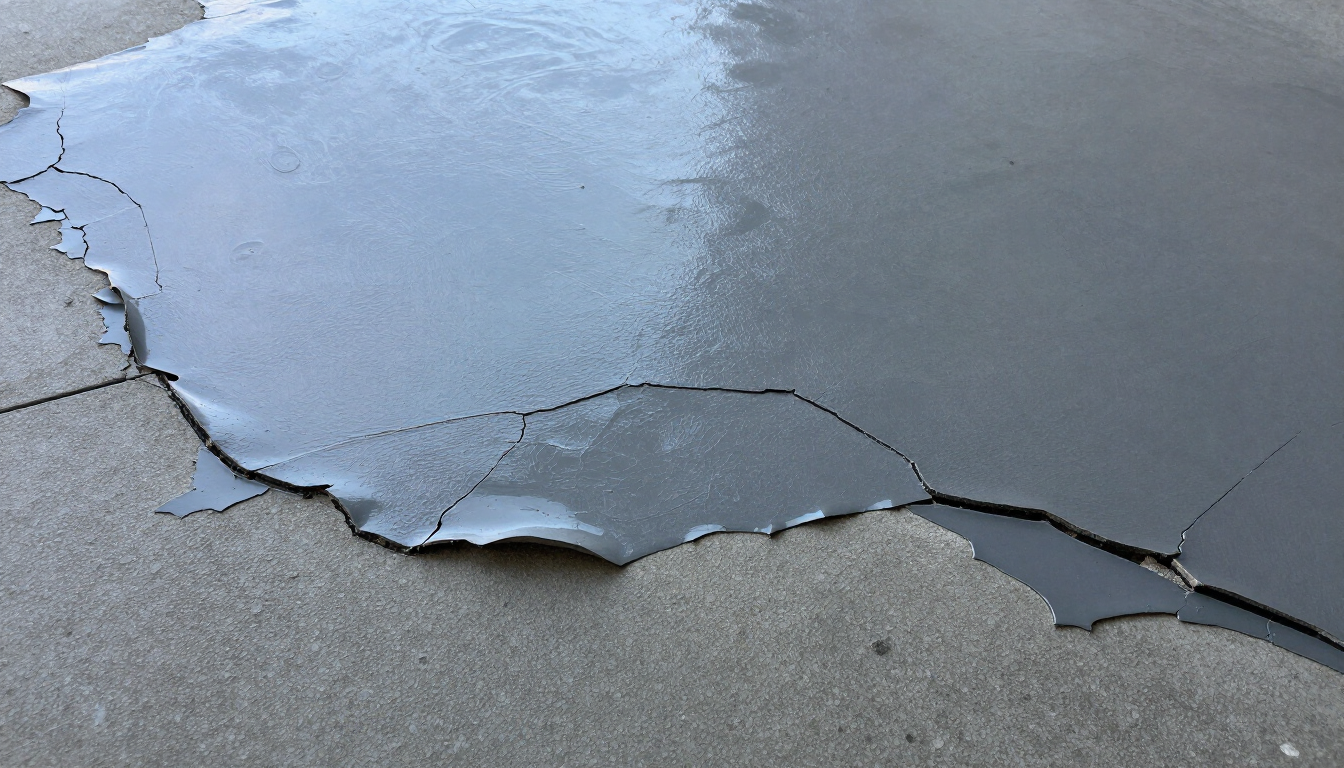
  2. Moisture Testing : Concrete acts like a sponge. If there is too much vapor pressure coming up from the ground, it will push the epoxy off the surface. We use moisture-blocking primers to mitigate this risk.
  3. Joint and Crack Repair : We fill and level all cracks and expansion joints to ensure a perfectly seamless surface. This is especially important for industrial epoxy flooring where heavy forklifts or pallet jacks will be moving across the floor.

A solid color or flake system might be thinner or thicker, but if the bond to the concrete is weak, the system will fail. When you invest in a professional installation, you are paying for the peace of mind that the substrate has been handled correctly. This foundation allows the specific finish you choose to perform at its peak for a decade or more, even in the humid climate of South Carolina.

Which epoxy finish is the easiest to maintain?

Maintenance is a major factor for most homeowners. Generally speaking, flake epoxy is the easiest to maintain . Its textured surface and multi-color pattern do a fantastic job of hiding day-to-day dust and footprints. A simple sweep and an occasional mop with a pH-neutral cleaner are usually all that is needed to keep it looking brand new for years.

Solid color floors are also easy to clean because they are seamless, but you will find yourself sweeping more often because dust is more visible on a flat, single-color surface. Metallic floors require the most care to maintain their high-gloss luster; while they are just as chemically resistant as the others, you may want to use a microfiber mop to prevent fine dust from dulling the shine over time. For high-traffic commercial spaces, a regular waxing or buffing program can keep a metallic or solid floor looking pristine indefinitely.

Summary of Epoxy Finish Choices

Choosing the right epoxy system comes down to how you use your space and the specific look you want to achieve. While all professional-grade coatings provide a waterproof, chemical-resistant barrier for your concrete, their day-to-day performance varies based on the aggregate and pigments used.

Key Takeaways for Your Space:

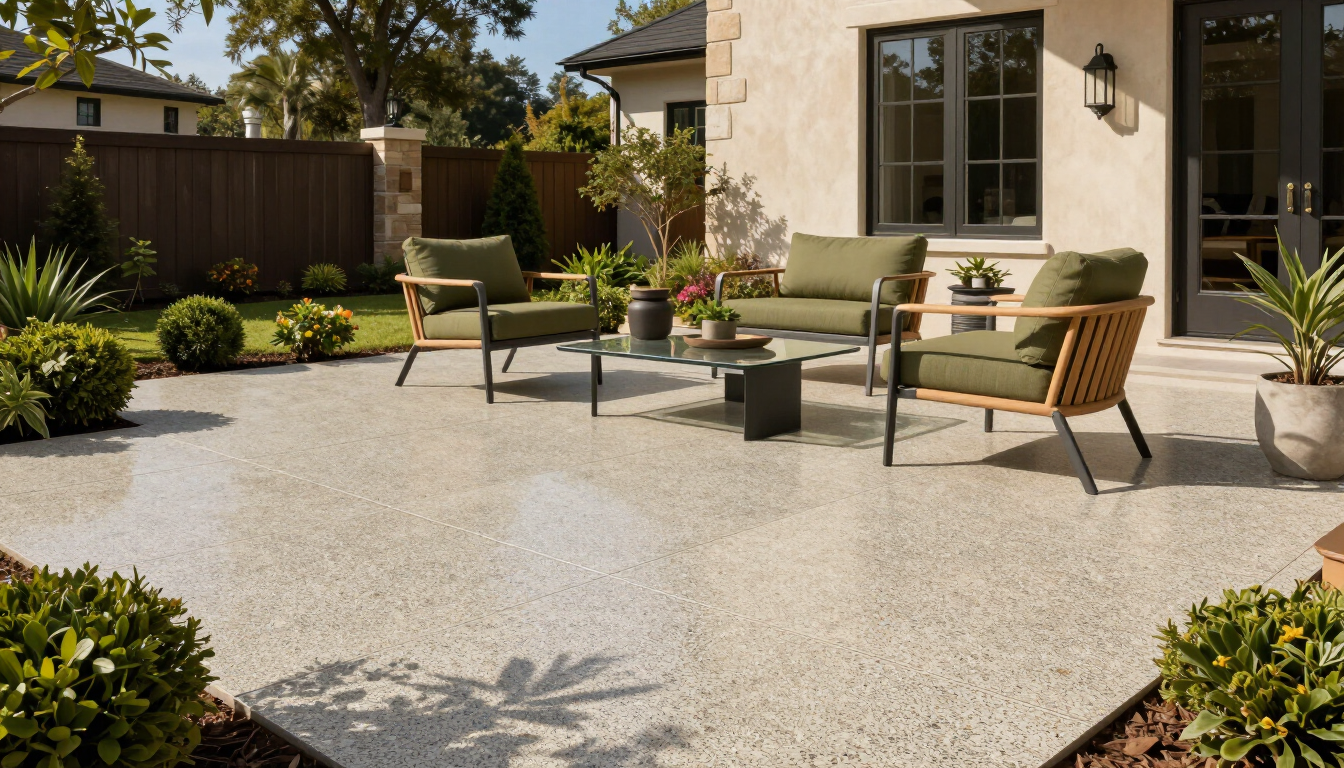
  • Choose Flake Epoxy for garages, patios, and high-traffic areas where slip resistance and durability are the top priorities.
  • Choose Metallic Epoxy for finished basements, offices, and retail spaces where you want a unique, high-end, and artistic appearance.
  • Choose Solid Color Epoxy for utility rooms, warehouses, and industrial spaces that require a clean, functional, and cost-effective finish.
  • Prioritize Substrate Prep : No matter the finish, ensure your contractor performs full diamond grinding and moisture testing to prevent future peeling or bubbling.

If you are ready to transform your concrete in Greenville, Spartanburg, or the surrounding Upstate, evaluate your space's traffic and light to decide which system fits your lifestyle best.

Recent Posts

A luxury interior with a shimmering metallic epoxy floor featuring deep blue and silver swirls.
August 26, 2026
Learn the technical process behind creating stunning metallic epoxy floor patterns. Discover how pigments, application tools, and chemistry create custom effects.
A professionally installed full flake epoxy garage floor in Greenville, SC.
August 19, 2026
Learn what full flake epoxy flooring is, how it's installed, and why it's the most durable choice for Greenville homeowners' garage and basement floors.
Durable polyaspartic flake floor finish in a Greenville garage
August 12, 2026
Learn exactly how long polyaspartic takes to cure for foot and vehicle traffic. Discover how temperature and humidity affect your garage floor installation timeline.
Professional applying polyaspartic coating to a garage floor.
August 5, 2026
Discover why homeowners and contractors in Greenville are switching from epoxy to polyaspartic coatings for superior durability, UV resistance, and faster cure times.

A modern garage with a high-quality epoxy flake floor coating.
July 29, 2026
Comparing Epoxy vs. Polyaspartic floor coatings for your garage. Learn about durability, cure times, and UV resistance for Greenville, SC homes.