How Long Does Polyaspartic Take to Cure? (2026 Guide)
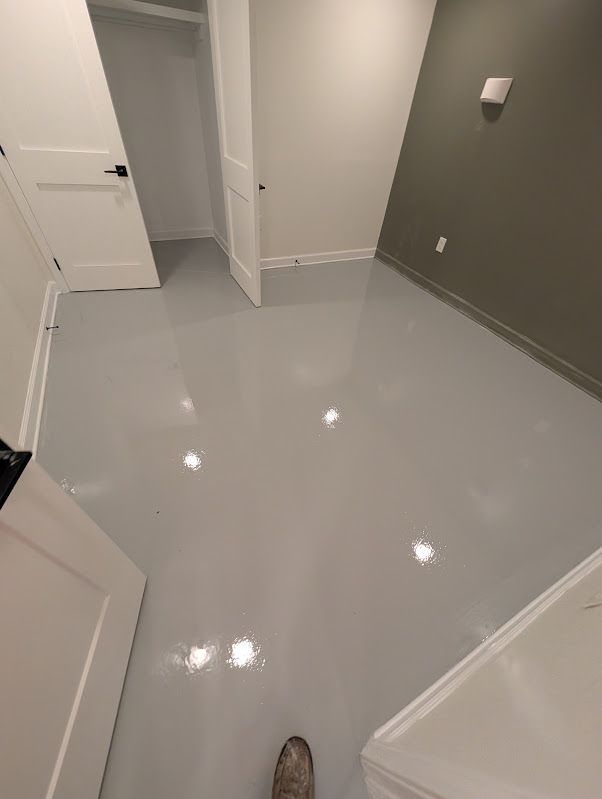
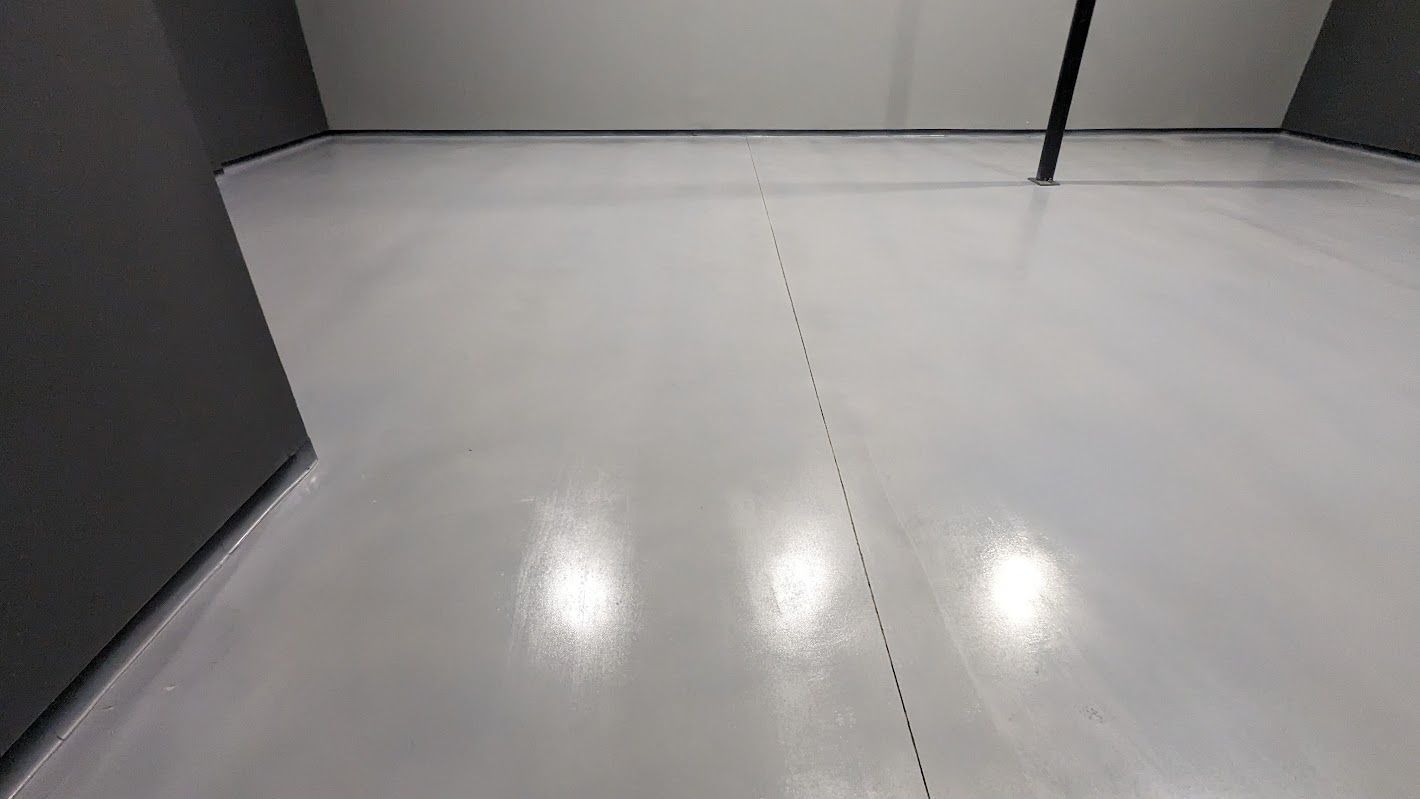
Polyaspartic floor coatings typically cure for foot traffic in 2 to 4 hours and reach full strength for vehicle use within 24 hours . This rapid curing process allows for a complete one-day installation, significantly outperforming traditional epoxy systems that often require several days before heavy usage.
How long does polyaspartic take to cure for cars?
For most homeowners in the Upstate, the most critical question is when they can safely drive their vehicles back into the garage. While a Polyaspartic Floor Coating becomes "dries" to the touch very quickly, the chemical cross-linking required to withstand the weight and heat of vehicle tires takes longer. Typically, we recommend waiting a full 24 hours before parking a car on the new surface.
This 24-hour window is a massive advantage compared to epoxy. With standard epoxy, you might wait three to seven days for a full cure before a vehicle is allowed on the surface. If you drive on a coating too early, you risk "hot tire pick-pickup," where the heat from your tires literally pulls the coating off the concrete. Polyaspartic’s high heat resistance and rapid cure virtually eliminate this risk once the 24-hour mark is passed.
The Foot Traffic Timeline
One of the reasons polyaspartic is the preferred choice for Residential Epoxy Flooring Installation is the immediate return to service for pedestrians.
- 1 Hour: The surface is usually tack-free (not sticky).
- 2-4 Hours: Safe for walking with clean shoes or socks.
- 6-8 Hours: Safe for moving heavy appliances or patio furniture back into place.
- 24 Hours: Full return to service, including heavy vehicles and equipment.
Understanding the Polyaspartic Curing Process
Polyaspartic is technically a sub-category of polyurea. The "aspartic" part of the name refers to the ester that is added to slow down the reaction just enough to make it workable for a professional crew. Unlike paint, which dries through evaporation, polyaspartic cures through a chemical reaction between two components: a resin and a hardener.
This reaction is exothermic, meaning it generates its own heat as it bonds. Because the molecular chains form so tightly and so quickly, the resulting film is much denser than traditional coatings. This density is what provides the superior scratch resistance and UV stability that Greenville homeowners expect from high-end garage finishes.
What factors affect polyaspartic cure time?
While the 24-hour rule is a standard benchmark, environmental conditions in South Carolina—ranging from humid summer afternoons in Mauldin to brisk winter mornings in Travelers Rest—can shift the timeline.
1. Ambient and Substrate Temperature
Heat acts as a catalyst for the chemical reaction in polyaspartic coatings. If the temperature in your garage is 90°F, the coating will cure significantly faster than if it were 50°F. However, if it’s too hot, the "pot life" (the time the installer has to apply the product before it hardens in the bucket) becomes extremely short, requiring a highly skilled crew to ensure a seamless finish.
2. Relative Humidity
Unlike many other construction materials, polyaspartic actually uses moisture in the air to facilitate the curing process. High humidity can accelerate the cure. In the humid Upstate environment, this often means our crews have to work even faster to maintain a wet edge during application. Conversely, in very dry conditions, the cure might slow down slightly, though rarely enough to delay the 24-hour vehicle window.
Is polyaspartic faster than epoxy flooring?
Yes, polyaspartic is substantially faster. When comparing a Garage Floor Epoxy Coating to a polyaspartic system, the timeline difference is the primary selling point for many homeowners.
- Epoxy Installation: Usually requires 2-3 days for the various layers to dry.
- Epoxy Cure: 24 hours for feet, 72+ hours for cars.
- Polyaspartic Installation: Often completed in a single day.
- Polyaspartic Cure: 4 hours for feet, 24 hours for cars.
For a Commercial Floor Coating project, this speed is even more vital. A business in downtown Greenville cannot afford to shut down for four days while a floor dries. Polyaspartic allows them to close on a Sunday and be fully operational by Monday morning shift change.
How does humidity impact the drying speed?
In Greenville, the humidity can be thick. Because polyaspartic is moisture-cured, it pulls water molecules from the air to complete its chemical transition. If you are coating a floor on a particularly muggy day, the "tack-free" time might drop from two hours down to forty-five minutes. Professional installers adjust their mixing ratios or use different grades of hardeners to compensate for these local weather patterns, ensuring the product doesn't "flash dry" before it has properly leveled out on the concrete.
Can you apply polyaspartic in cold weather?
One of the greatest technical advantages of polyaspartic is its application window. Traditional epoxy becomes sluggish and fails to cure properly when temperatures drop below 50°F. Polyaspartic, however, can be applied in temperatures well below freezing—some formulations are rated down to -20°F.
This makes it the perfect solution for winter projects in areas like Greer or Taylors. While the cure time might extend slightly in the cold, it will still reach full strength far faster than any epoxy competitor. It allows us to provide reliable Outdoor Epoxy for Concrete or garage solutions year-round, regardless of the season.
Maintenance Tips During the Curing Window
To ensure your floor reaches its maximum durability, there are a few rules to follow during the first 24 to 48 hours:
- Keep it dry: Avoid getting water on the floor for the first 24 hours, as it can occasionally cause blushing or spotting in the topcoat before it’s fully set.
- No tape: Do not apply painter's tape to the floor to hold down protective paper; the adhesive can react with the curing surface.
- Clean shoes only: Ensure anyone walking on the floor after the 4-hour mark is wearing clean, non-marking rubber soles.
- Avoid chemicals: Do not use cleaning agents or spill oils on the floor during the first 48 hours.
- Check the tires: If you’ve just driven through rain, dry off your tires before pulling into the garage for the first time.
Why Professional Installation Matters for Rapid Cure
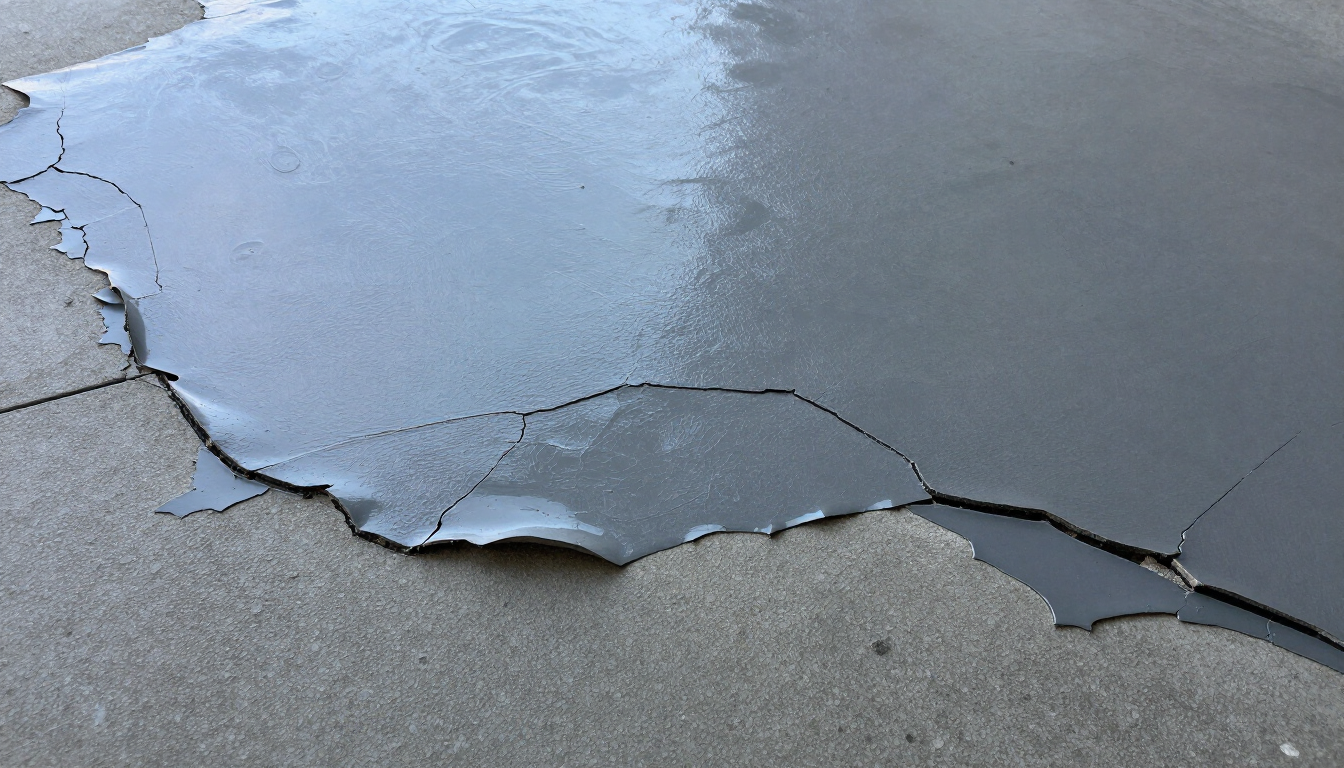
The same chemistry that makes polyaspartic cure so fast makes it difficult for a DIYer to handle. Once the two parts are mixed, the clock starts. A professional crew uses specialized equipment and divided labor—one person mixing, one person cutting in edges, and another pulling the main body of the floor—to stay ahead of the cure. If an untrained person tries this, they often end up with a ruined floor that has hardened in the bucket or left visible "lap lines" where the product dried too quickly.
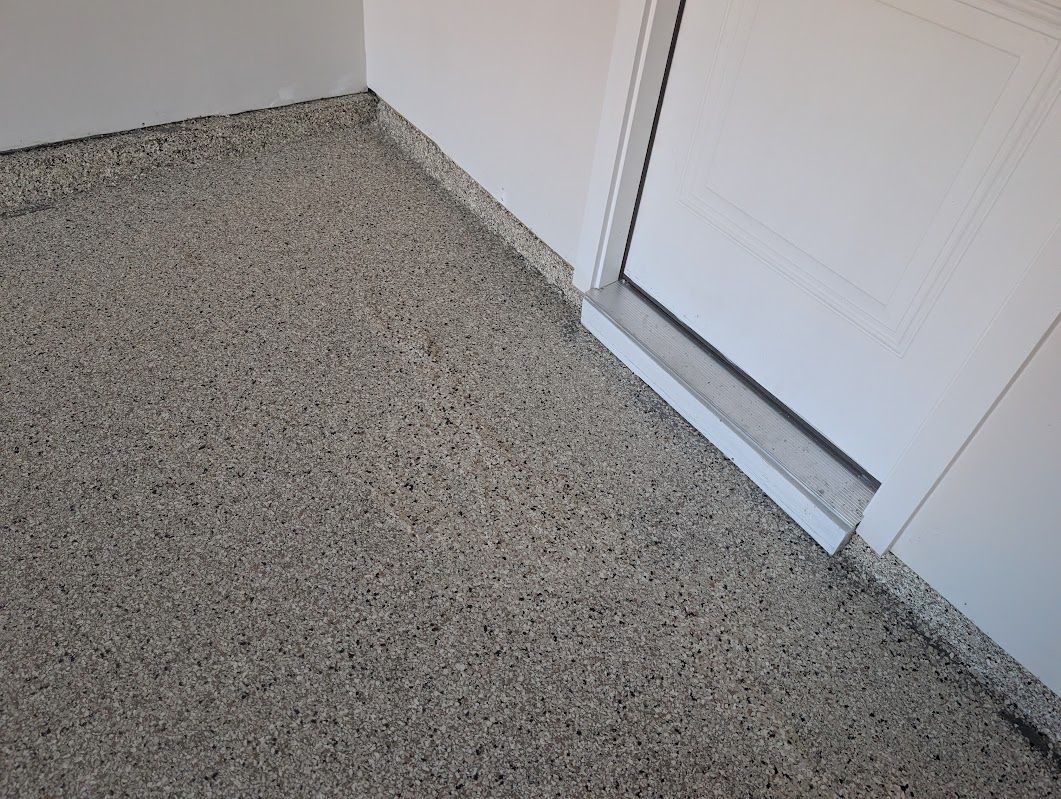
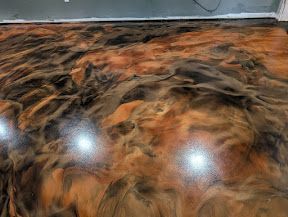
At Greenville Epoxy Flooring, we handle the technical side so you don't have to. From full substrate grinding to moisture mitigation, we ensure the concrete is ready to receive the coating before that fast-acting chemical reaction even begins. Whether it's a Metallic Epoxy Floor in Greenville, SC or a standard flake garage, the preparation remains the most critical step.
Summary of Polyaspartic Cure Expectations
Polyaspartic is the gold standard for homeowners who value both their time and the long-term durability of their property. By moving to a 24-hour vehicle-ready timeline, you minimize the disruption to your daily life without sacrificing the industrial-grade protection your concrete deserves. Use the following takeaways to plan your project:
- One-Day Install: Most residential garages can be completed in a single day.
- Fast Foot Traffic: You can walk on your floor by the time we leave the job site or shortly after.
- 24-Hour Cars: Plan to leave your vehicles out for just one night.
- Weather Flexibility: Polyaspartic works in the summer heat and the winter chill of the Upstate.
- Technical Superiority: It offers better UV protection and chemical resistance than standard epoxy.
If you are ready to upgrade your garage or commercial space with a coating that respects your schedule, consider the speed and strength of a polyaspartic system. For those in Greenville, Simpsonville, or the surrounding Upstate, the transition from old concrete to a high-performance floor is faster than you might think.