
Commercial Epoxy Flooring Guide: 5 Things to Know

October 14, 2026

Share this article

Commercial epoxy flooring is a high-performance coating system designed to protect concrete surfaces from heavy traffic, chemicals, and abrasion. It combines resin and hardeners to create a seamless, durable bond that withstands industrial demands while providing a professional, easy-to-clean finish for Greenville businesses and facilities.

What are the benefits of commercial epoxy flooring?

For facility managers and business owners in the Upstate, selecting a floor coating is a decision rooted in long-term ROI. Commercial epoxy flooring stands out because it addresses the core needs of high-traffic environments: durability, safety, and hygiene. Unlike standard concrete paint or thin sealers, a professional-grade commercial floor coating becomes a structural component of the floor surface.

The primary advantages include:

  • Enhanced Durability: It resists impacts from heavy machinery and dropped tools.
  • Chemical Resistance: Protects the slab from oils, cleaners, and industrial solvents.
  • Improved Safety: Integrated additives provide an anti-slip floor coating for worker safety.
  • Light Reflectivity: High-gloss finishes brighten workspaces, reducing the need for extra lighting.
  • Low Maintenance: The seamless surface prevents dust buildup and is easy to sanitize.

When we install commercial epoxy floor in Greenville , we focus on these functional gains. A warehouse floor isn't just a walking surface; it is a tool that supports logistics and safety. By creating a non-porous barrier, epoxy prevents moisture and contaminants from reaching the concrete substrate, which effectively halts the degradation of the slab itself over time. This is particularly important in South Carolina’s humid climate, where concrete moisture can lead to mold or structural weakness if left unaddressed.

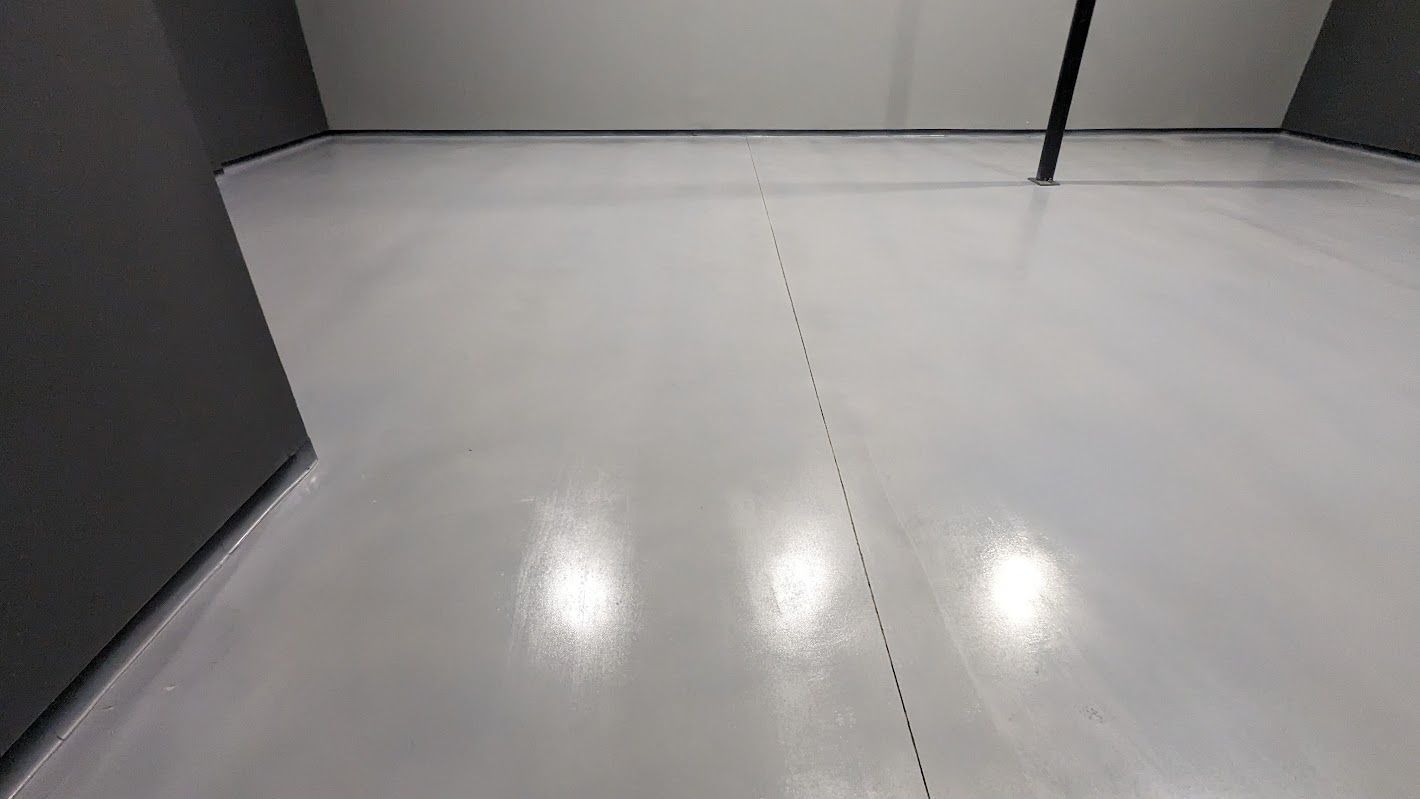
Industrial warehouse with high gloss epoxy

Industrial Epoxy Flooring Applications

Commercial environments vary significantly in their demands. A retail boutique in downtown Greenville has different requirements than a manufacturing plant in Greer or a logistics hub in Simpsonville. Understanding these nuances is key to selecting the right system. Industrial epoxy flooring is versatile enough to be tailored to specific mechanical and chemical stresses.

Common applications include:

  1. Warehouses and Distribution Centers: These floors must withstand constant forklift traffic and pallet jack movement.
  2. Automotive Shops and Showrooms: Resistance to motor oil, brake fluid, and hot tires is paramount.
  3. Healthcare Facilities: Seamless floors are required to prevent bacterial growth and allow for heavy sterilization.
  4. Food and Beverage Production: Slip resistance and thermal shock resistance are vital in commercial kitchens.
  5. Retail and Office Spaces: Aesthetic systems like metallic epoxy provide a high-end look without sacrificing strength.

In a warehouse epoxy flooring scenario, we often recommend a multi-coat system that includes a high-solids primer, a thick build coat, and a sacrificial urethane topcoat. This layered approach ensures that the floor can handle the abrasive forces of heavy equipment. For retail environments, we might lean toward metallic epoxy flooring , which offers a unique, marbled appearance that masks minor imperfections while providing the same robust protection as industrial systems. The goal is always to match the chemistry of the coating to the specific activity of the room.

Why is professional concrete preparation critical?

The longevity of a commercial floor is 90% dependent on the quality of the preparation. You cannot simply pour epoxy over a dirty or smooth concrete slab and expect it to last. In Greenville, we frequently encounter slabs that have old coatings, oil saturation, or high moisture vapor transmission rates. Without mechanical preparation, the new coating will eventually peel or delaminate.

Professional preparation involves several technical steps:

  • Diamond Grinding: We use heavy-duty grinders to remove the top layer of concrete, creating a porous profile (CSP 2-3).
  • Joint and Crack Repair: Before coating, all structural cracks are filled with rigid or semi-rigid epoxies to ensure a flat finish.
  • Moisture Testing: We measure the moisture levels within the slab to determine if a moisture-mitigating primer is necessary.
  • Degreasing: Any chemical or oil contamination must be fully extracted to ensure the epoxy can bond to the concrete pores.

We focus heavily on the "failed-coating rescue." Many businesses come to us after a previous DIY or low-cost application has failed within months. These failures almost always trace back to poor preparation or the use of thin, water-based paints rather than 100% solids epoxy. By using industrial-grade diamond grinders with dust extraction systems, we ensure the slab is physically receptive to the resin. This creates a mechanical bond, essentially "locking" the epoxy into the concrete surface so it cannot be pulled up by heavy vehicles or temperature fluctuations.

How does epoxy compare to polyaspartic coatings?

One of the most frequent questions we receive from Greenville facility managers is whether they should choose epoxy or a polyaspartic floor coating . Both are excellent industrial materials, but they serve different roles based on the environment and the installation timeline. Epoxy is generally the "workhorse" build coat, while polyaspartic is often used as a fast-curing topcoat or in specific temperature-sensitive applications.

Key differences include:

  • Cure Time: Polyaspartics cure very quickly, often allowing for a return to service in 24 hours.
  • UV Stability: Epoxy can yellow over time if exposed to direct sunlight, whereas polyaspartic is UV stable.
  • Chemical Resistance: Both offer high resistance, but polyaspartics are often better against high-strength acids.
  • Installation Conditions: Polyaspartics can be applied in much colder temperatures than traditional epoxies.
  • Build Thickness: Epoxy is better for filling small pits and leveling uneven concrete slabs.

In most commercial settings, we utilize a hybrid system. We might use a moisture-wicking epoxy primer to get the best bond to the concrete, followed by a thick epoxy build layer for strength, and finished with a polyaspartic topcoat for its scratch resistance and UV stability. This "best of both worlds" approach ensures that the floor is thick enough to handle impact but tough enough to resist the scratching of heavy foot traffic. If your facility cannot afford more than a day of downtime, a full polyaspartic system may be the right choice, but for maximum thickness and slab leveling, epoxy remains the industry standard.

Essential Performance Features for Greenville Facilities

Greenville’s industrial landscape is diverse, and each facility requires a specific performance profile. When evaluating a shop floor epoxy or warehouse system, you must consider the mechanical and environmental stressors unique to your operation. It isn't just about the color; it's about the chemistry. A floor in a chemical storage room requires a different resin blend than a floor in a logistics loading dock.

Consider these performance factors:

  1. Abrasion Resistance: Measured by Taber abrasion tests to see how the floor holds up to wear.
  2. Compressive Strength: The ability of the floor to support heavy stationary loads without cracking.
  3. Thermal Shock: The ability to withstand rapid temperature changes, common in food processing.
  4. Impact Resistance: Protection against heavy objects being dropped on the floor.

For businesses operating in the Upstate, humidity is a constant factor. High humidity during installation can affect the curing process of certain resins. This is why we monitor dew points and slab temperatures closely. A craftsman-driven approach means we don't just follow a generic datasheet; we adjust our methods to the specific conditions of your building on the day of the install. Whether you are looking for epoxy flake flooring for a restroom or a solid-color industrial coating for a production line, the goal is a seamless finish that performs under pressure.

How do you maintain commercial epoxy floors?

One of the greatest selling points of a commercial floor coating is the ease of maintenance. Because the surface is non-porous and seamless, dirt and fluids stay on top of the coating rather than soaking into the concrete. However, "low maintenance" does not mean "no maintenance." To protect your investment and keep the floor looking professional, a simple cleaning regimen is required.

Maintenance best practices include:

  • Daily Sweeping: Remove abrasive dust and grit that can act like sandpaper under foot traffic.
  • Neutral pH Cleaners: Avoid harsh acidic or alkaline cleaners that can dull the finish over time.
  • Soft Bristle Scrubbers: Use mechanical scrubbers with soft pads for larger warehouse spaces.
  • Prompt Spill Cleanup: While chemical-resistant, leaving corrosive fluids on the floor for days can eventually cause staining.
  • Periodic Re-coating: Depending on traffic, a fresh topcoat every 5–10 years can make the floor look new again.

In many Greenville facilities, we see floors that have lost their luster simply because of the build-up of cleaning residue. Using too much soap can leave a film that traps dirt. A simple mixture of water and a small amount of ammonia or a specialized floor cleaner is usually all that is needed. By keeping the surface clean, you ensure the anti-slip properties remain effective, keeping your workforce safe and your facility looking top-tier. Regular maintenance ensures the industrial epoxy flooring maintains its bond and protective qualities for decades.

Summary of Commercial Epoxy Flooring Knowledge

Commercial epoxy flooring is a vital investment for any Greenville business looking to protect its physical assets and ensure operational safety. By choosing a high-performance coating, you gain a surface that is resistant to chemicals, easy to clean, and capable of withstanding the rigors of industrial use. The key to success lies in professional diamond-grinding preparation, selecting the right chemistry (epoxy vs. polyaspartic), and maintaining a consistent cleaning schedule.

Key Takeaways for Facility Managers:

  • Prioritize Prep: Never skip mechanical diamond grinding; it is the foundation of the floor's lifespan.
  • Choose for Function: Match your coating choice to your specific industry needs, such as slip resistance or UV stability.
  • Invest in Layers: Multi-coat systems offer better impact resistance and longevity than thin-film alternatives.
  • Maintain Regularly: Simple cleaning preserves the aesthetic and safety features of the floor for years.

Whether you are managing a warehouse in Berea or a retail space in Easley, understanding these technical details helps you make an informed decision for your facility. If you are ready to evaluate your concrete for a professional coating, focus on the durability and craftsman-driven details that will serve your business for the long haul.

Recent Posts

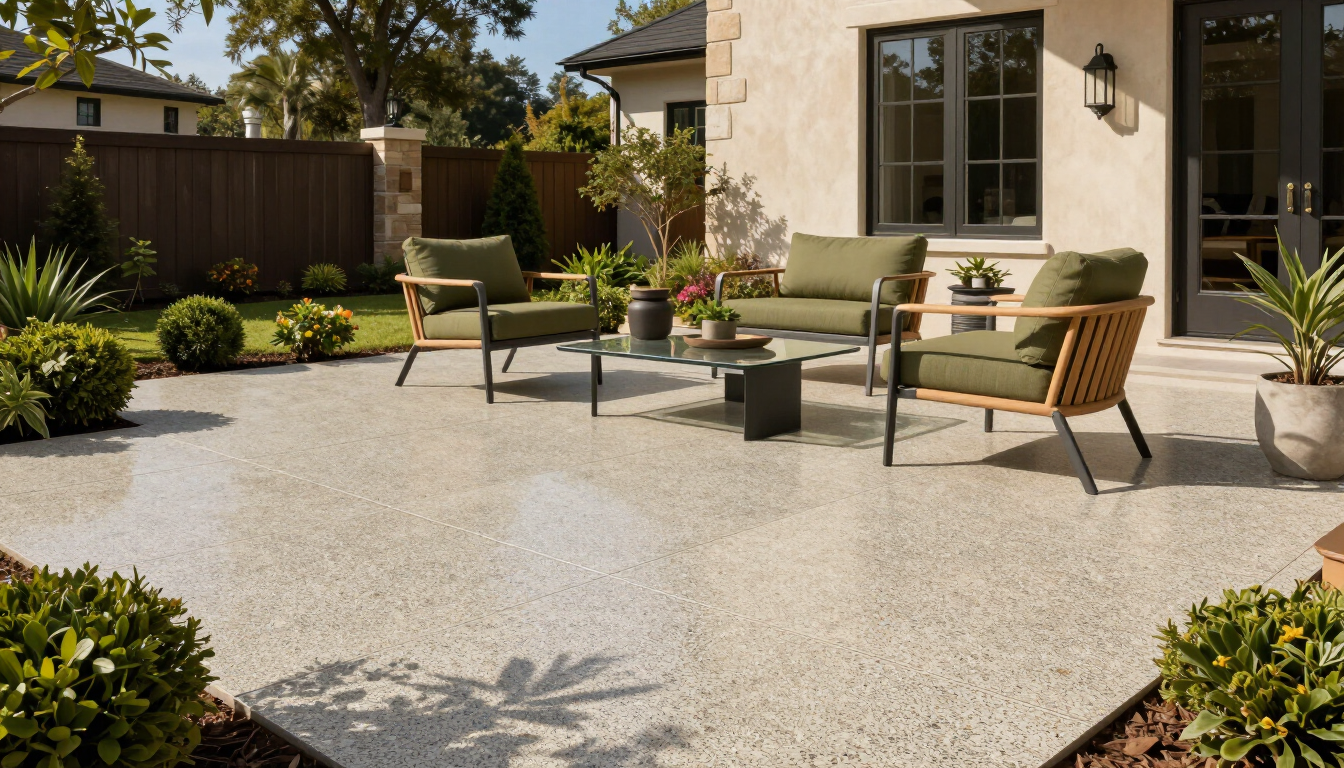
Decorative flake outdoor patio coating in Greenville, SC
October 7, 2026
Discover the best outdoor epoxy coatings for SC weather. Learn why polyaspartic systems outlast standard epoxy for Greenville patios and porches in the Upstate climate.
Professional contractor repairing concrete cracks for epoxy flooring installation
September 30, 2026
Learn if you can epoxy over a cracked concrete slab. Discover the professional process for repairing slab damage and choosing the right coating for your Greenville home.
Cleaning a glossy epoxy garage floor with a microfiber mop
September 23, 2026
Discover professional tips on how to clean and maintain an epoxy floor. Learn about the best cleaners, daily care routines, and stain removal for durable garage floors in Greenville, SC.
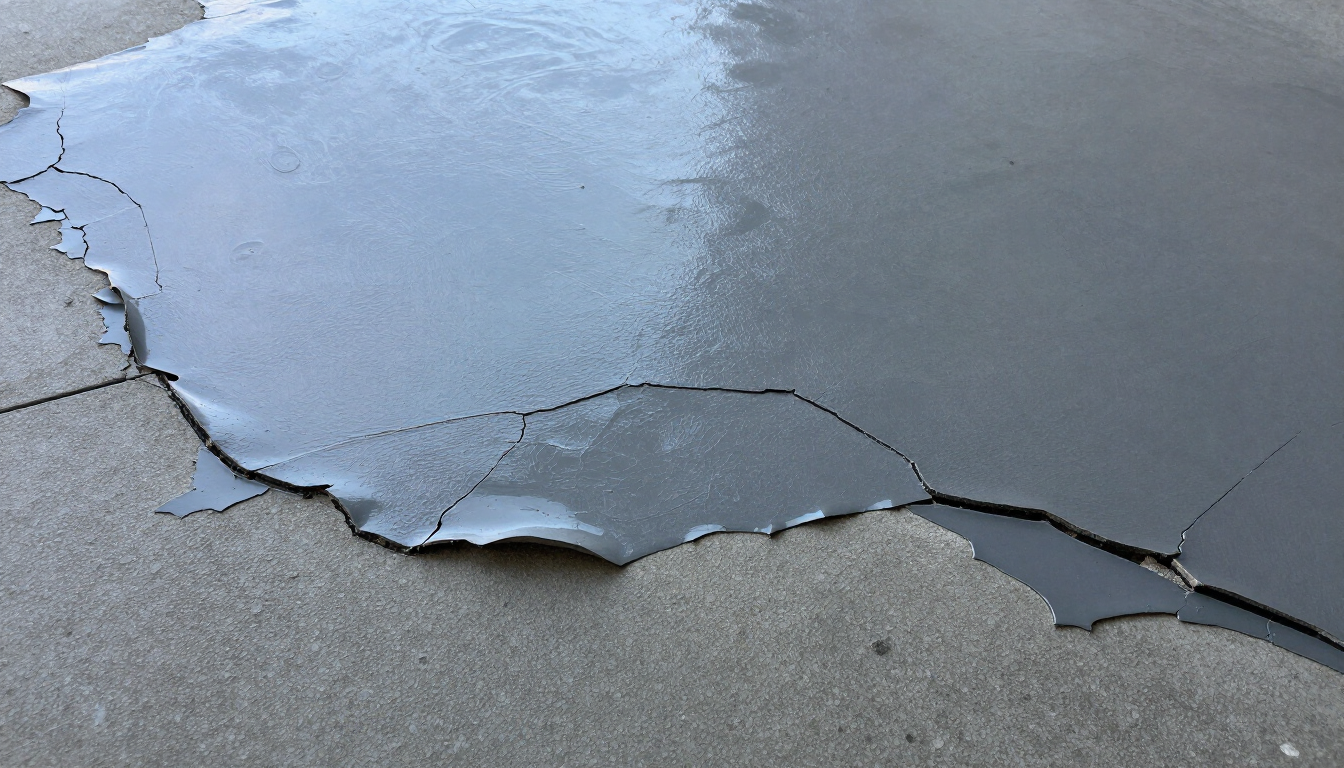
Close up of a failing epoxy floor coating with peeling and cracks.
September 16, 2026
Identify the 5 key signs of an epoxy floor coating failing, including peeling, bubbling, and yellowing. Learn how Greenville Epoxy Flooring rescues failing floors with professional grinding and moisture mitigation.
A high-quality professionally installed epoxy garage floor.
September 9, 2026
Learn the real-world lifespan of epoxy garage floors. We cover substrate prep, polyaspartic topcoats, and how to get 20 years of durability in Greenville, SC.
Comparison of different epoxy flooring systems in a residential setting.
September 4, 2026
Compare flake, metallic, and solid color epoxy flooring systems. Learn which finish is most durable for your Greenville home or business from the experts at Greenville Epoxy Flooring.
A luxury interior with a shimmering metallic epoxy floor featuring deep blue and silver swirls.
August 26, 2026
Learn the technical process behind creating stunning metallic epoxy floor patterns. Discover how pigments, application tools, and chemistry create custom effects.
A professionally installed full flake epoxy garage floor in Greenville, SC.
August 19, 2026
Learn what full flake epoxy flooring is, how it's installed, and why it's the most durable choice for Greenville homeowners' garage and basement floors.
Durable polyaspartic flake floor finish in a Greenville garage
August 12, 2026
Learn exactly how long polyaspartic takes to cure for foot and vehicle traffic. Discover how temperature and humidity affect your garage floor installation timeline.
Professional applying polyaspartic coating to a garage floor.
August 5, 2026
Discover why homeowners and contractors in Greenville are switching from epoxy to polyaspartic coatings for superior durability, UV resistance, and faster cure times.

Show More