Best Outdoor Epoxy Coatings for SC Weather
The best outdoor epoxy coatings for South Carolina weather are UV-stable polyaspartic systems rather than traditional epoxies. Standard epoxy yellows and chalks under the intense SC sun. Polyaspartic coatings offer superior UV resistance, durability against high humidity, and a non-slip finish for Upstate patios, porches, and pool decks.
Why does the SC climate challenge outdoor concrete coatings?
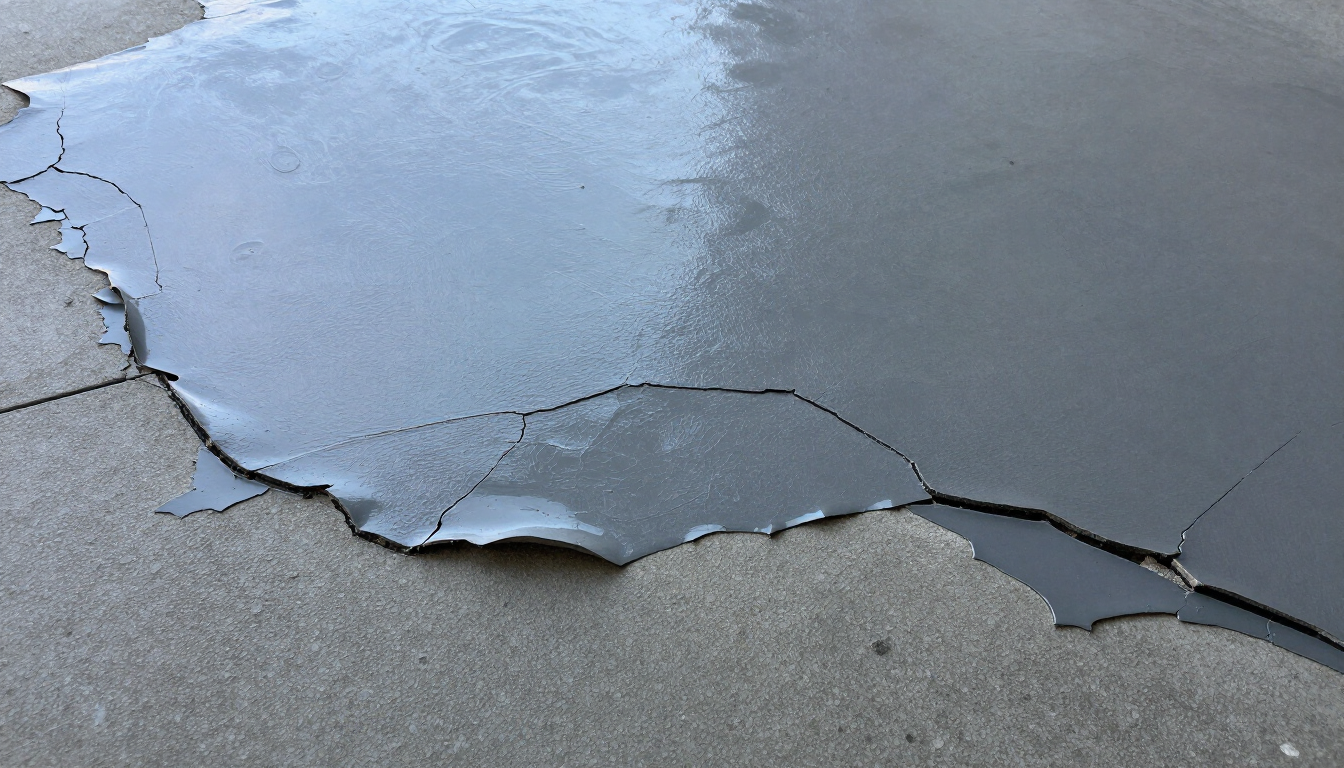
South Carolina presents a unique set of challenges for any exterior surface. In the Upstate, including cities like Greenville, Greer, and Travelers Rest, we experience a wide range of weather conditions—from the sweltering, humid heat of July to the freezing cycles of January. These conditions are particularly brutal on concrete. Concrete is a porous material that breathes; it absorbs moisture from the ground and the air. When that moisture is trapped under a low-quality coating, the result is delamination, bubbling, and eventual failure.
Furthermore, the UV index in the Southeast is significantly higher than in many other parts of the country. Standard epoxy resins are not UV-stable. This means the chemical bonds within the epoxy break down when exposed to sunlight. You have likely seen this on older garage lip applications or DIY kits: the color fades, the glossy finish turns into a dull white powder (chalking), and the coating becomes brittle. To combat this, homeowners must look specifically for Outdoor Epoxy Floor solutions that utilize advanced chemistry designed to withstand the rays of the sun.
Another factor is the soil composition in the Upstate. Our red clay holds moisture differently than sandy coastal soils. This contributes to "vapor drive," where moisture moves upward through a concrete slab. If your outdoor coating lacks a high-quality moisture vapor barrier or the flexibility to move with the concrete during temperature swings, it simply won't last. Understanding these environmental factors is the first step in choosing a system that provides long-term value rather than a temporary aesthetic fix.
What is the difference between epoxy and polyaspartic for patios?
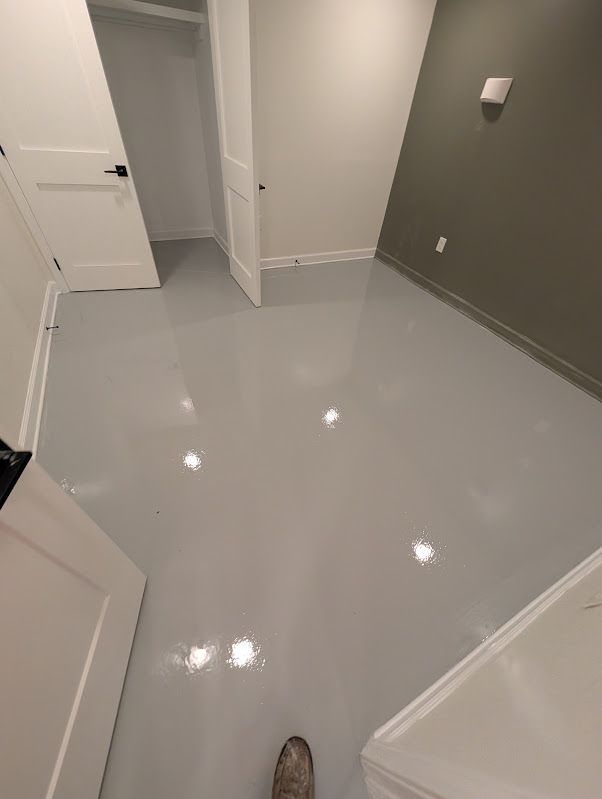
While the term "epoxy" is often used as a catch-all for any resinous floor coating, there are massive technical differences between epoxy and polyaspartic resins. For an Outdoor Epoxy For Concrete application, we almost always recommend a polyaspartic topcoat, if not a full polyaspartic system. Epoxy is fantastic for indoor environments like basements where UV exposure is non-existent, but outdoors, it is the wrong tool for the job.
Polyaspartic coatings are a subset of polyurea. They were originally developed to protect steel in bridge construction, specifically because of their incredible durability and weather resistance. When applied to a residential patio in Simpsonville or a commercial porch in Mauldin, they offer several key advantages:
- UV Stability: Polyaspartic does not yellow, fade, or chalk when exposed to direct sunlight.
- Thermal Shock Resistance: It remains flexible, allowing it to expand and contract with the concrete as temperatures fluctuate.
- Faster Cure Time: In the humid SC climate, polyaspartic cures quickly, often allowing for a one-day installation.
- Chemical Resistance: It stands up to harsh patio cleaners, pool chemicals, and grill grease better than standard epoxy.
- Superior Adhesion: It penetrates deeper into the concrete pores for a mechanical bond that resists peeling.
When we perform a Patio Epoxy Flooring project, we evaluate the specific exposure level of the site. A covered porch might get away with a high-end epoxy base if the UV exposure is minimal, but the top layer—the wear layer—must be polyaspartic. For pool decks and sun-drenched patios, a full Polyaspartic Floor Coating system is the only way to ensure the floor looks as good in year five as it did on day one. We focus on the craftsman-driven approach, ensuring the chemical composition matches the intended use of the space.
How does professional preparation impact coating longevity?
The biggest secret in the flooring industry is that the coating is only as good as the preparation underneath it. Most failures in Greenville and the surrounding Upstate occur because the installer skipped the hard work of substrate preparation. You cannot simply pressure wash a patio and roll on a coating. For a coating to bond, the concrete must be "opened up" to achieve a specific concrete surface profile (CSP).
We utilize heavy-duty planetary diamond grinders to remove the top layer of laitance (loose concrete dust and old sealers). This process reveals the "pores" of the concrete, allowing the resin to sink in and create a permanent root system. If you have cracks or pitted areas, these must be addressed before any liquid hits the floor. We use specialized rigid crack fillers and joint treatments that are compatible with our resin systems. This ensures that the final surface is seamless and structurally sound. This is especially vital for Patio Epoxy Flooring in Greer, SC , where older slabs often show significant wear and tear from years of exposure.
Can you put epoxy on a pool deck in South Carolina?
Yes, you can, but it requires a very specific approach. Pool decks are high-traffic, high-moisture areas that are constantly exposed to chlorine or salt water, as well as the intense heat of the sun. A standard smooth epoxy finish would be dangerously slick when wet and would likely peel within a season due to the constant moisture saturation. However, a professional Pool Deck Epoxy system utilizes a broadcast of decorative flakes or quartz to provide vital slip resistance.
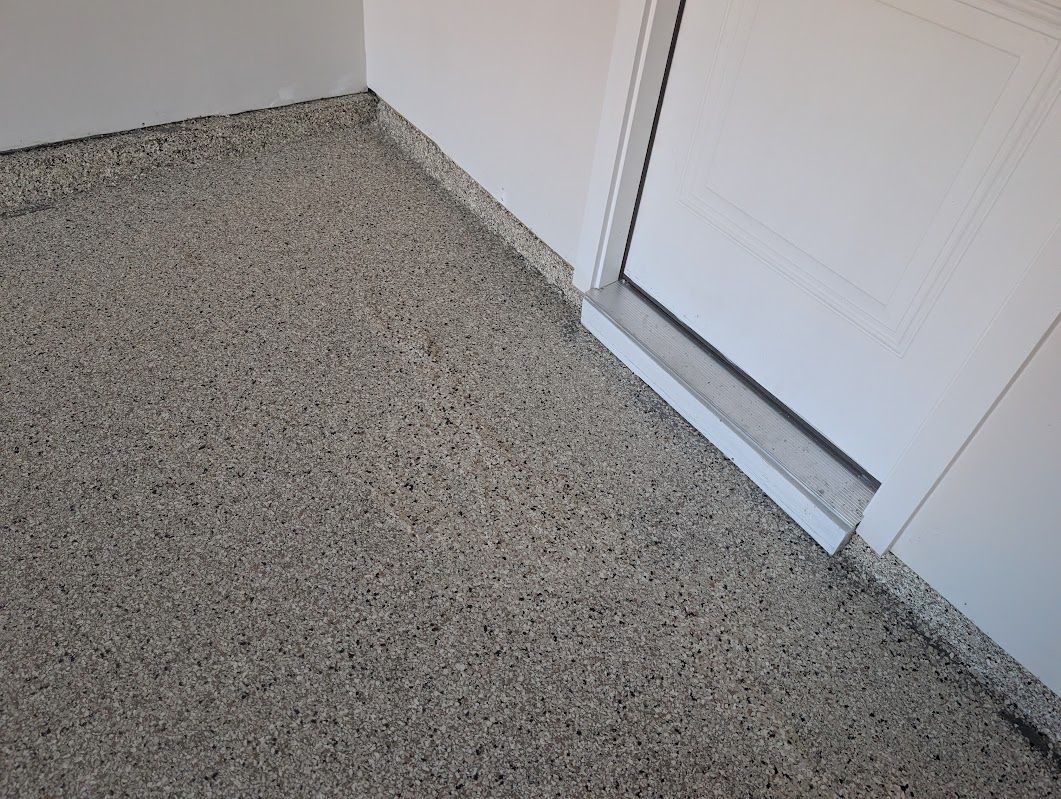
In our Greenville service area, we recommend a "Full Flake" system for pool decks. This involves saturating the base coat with vinyl flakes until the floor is completely covered. This provides a textured, orange-peel-like finish that is comfortable on bare feet but provides enough grip to prevent slipping. The flakes also act as an additional layer of protection against UV rays. Once the flakes are set, we apply a high-solids polyaspartic clear coat. This creates a non-porous surface that is easy to clean and won't harbor mold or mildew, which is a common problem with traditional concrete pool decks.
Is an outdoor coating worth the investment for Upstate homeowners?
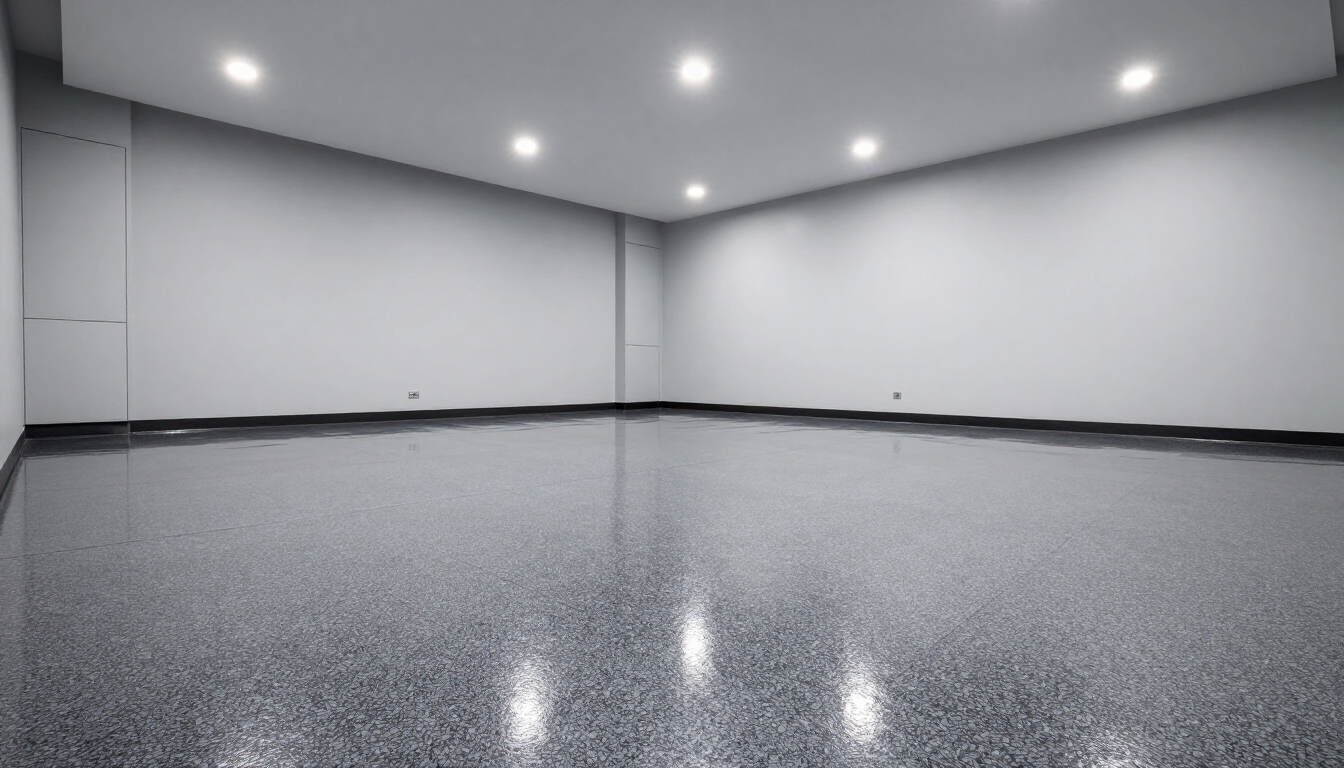
Many homeowners in Easley or Powdersville wonder if they should just stick with a standard concrete sealer. While sealers are cheaper, they need to be reapplied every 12 to 24 months and offer very little in terms of aesthetic improvement or true protection. An Outdoor Epoxy Floor or polyaspartic system is a long-term investment that transforms an outdoor area into a functional living space. It stops concrete dusting, prevents salt damage in the winter, and hides imperfections in the slab.
From a technical standpoint, a high-quality coating actually protects the structural integrity of your concrete. By sealing the surface, you prevent water from entering cracks and freezing, which is the primary cause of concrete spalling and heaving. For those looking at Residential Epoxy Flooring Installation , the goal should be to find a balance between a beautiful finish and a system that can handle the mechanical stresses of outdoor life. Whether it’s a Patio Epoxy Flooring in Simpsonville, SC or a commercial walkway in downtown Greenville, the durability of a polyaspartic system is unmatched.
Choosing the right system for your Greenville home
When evaluating quotes for your outdoor project, don't just look at the price. Ask about the products being used. Is it a DIY-grade water-based epoxy, or is it a high-solids industrial coating? Ask about the moisture mitigation steps. At Greenville Epoxy Flooring, we believe in a technical, detail-oriented approach. We don't use sales gimmicks; we use chemistry and hard work. We handle everything from failed-coating rescues to new construction slabs in Travelers Rest, ensuring every joint is repaired and every slab is ground to perfection.
Our service area covers the entire Upstate, providing Garage Floor Epoxy Coating and outdoor solutions that are built to last. We know the local climate and we know which products will fail under the SC sun. Our focus is on providing a coating that survives the humidity and the UV rays without losing its luster. When you choose a polyaspartic system, you are choosing a floor that is twice as hard as epoxy and four times as flexible, making it the gold standard for South Carolina outdoor living.
Summary of Best Outdoor Epoxy Practices
To ensure your outdoor concrete coating survives the South Carolina climate, focus on these core principles:
- Select Polyaspartic: Always use a UV-stable polyaspartic topcoat to prevent yellowing and chalking.
- Prioritize Prep: Ensure the concrete is diamond-ground to a CSP 2 or 3 profile for maximum adhesion.
- Add Texture: Use a full flake or quartz broadcast to ensure the surface is slip-resistant when wet.
- Address Moisture: Use a moisture-blocking primer if the slab has high vapor transmission rates.
- Hire Local Experts: Work with a contractor who understands the specific humidity and soil conditions of the Greenville Upstate area.
By following these steps, you can enjoy a beautiful, durable patio or pool deck that enhances your home's value and provides a maintenance-free surface for years to come. If you are ready to upgrade your outdoor space, consider the long-term benefits of a professional Outdoor Epoxy Floor system tailored to our local weather.