How to Clean and Maintain an Epoxy Floor (Pro Tips)
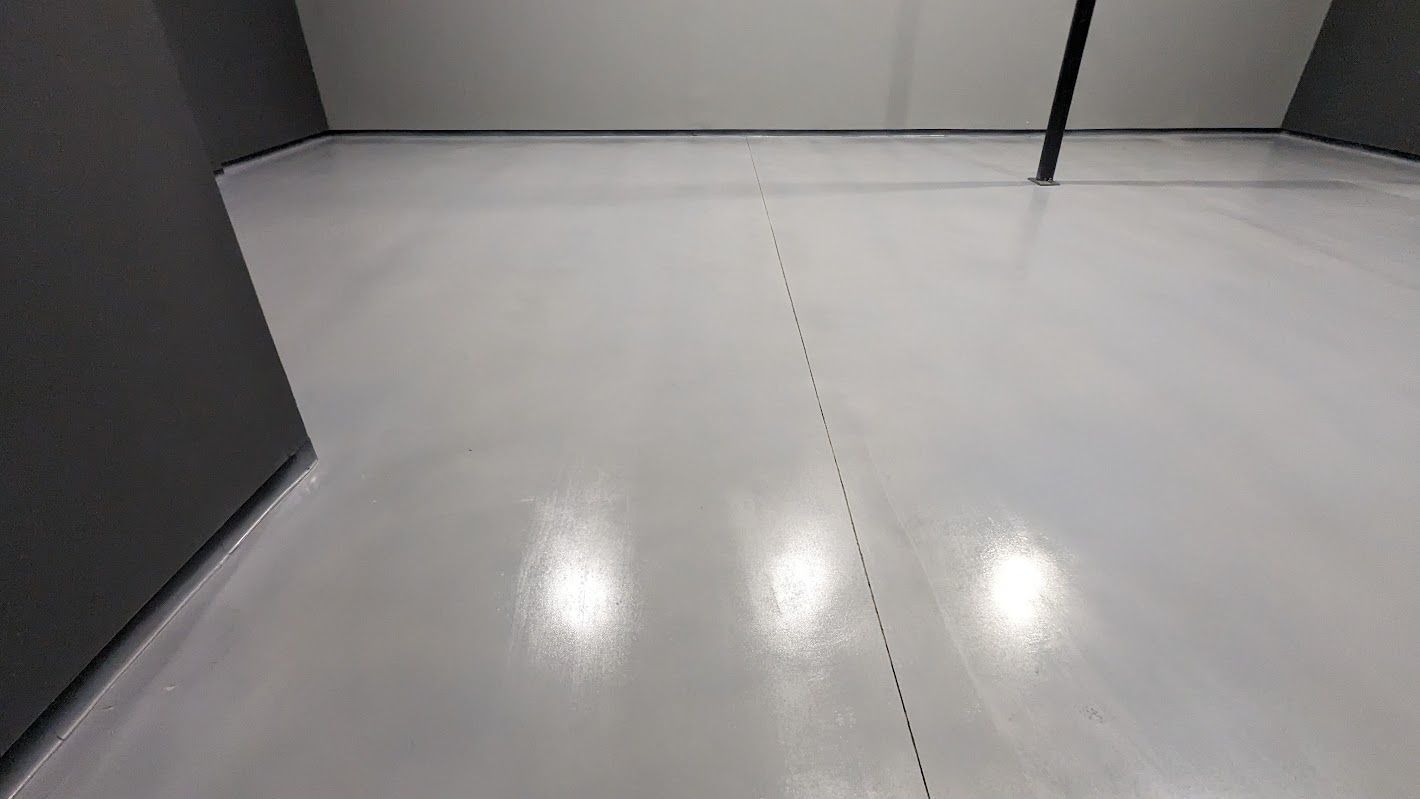
To clean and maintain an epoxy floor, perform weekly dust mopping to remove abrasive grit and monthly wet mopping using a pH-neutral cleaner. Avoid acidic chemicals, vinegar, or citrus cleaners that can dull the finish. Promptly wipe up spills to prevent staining and preserve the resin’s high-gloss clarity.
How to Clean and Maintain an Epoxy Floor daily?
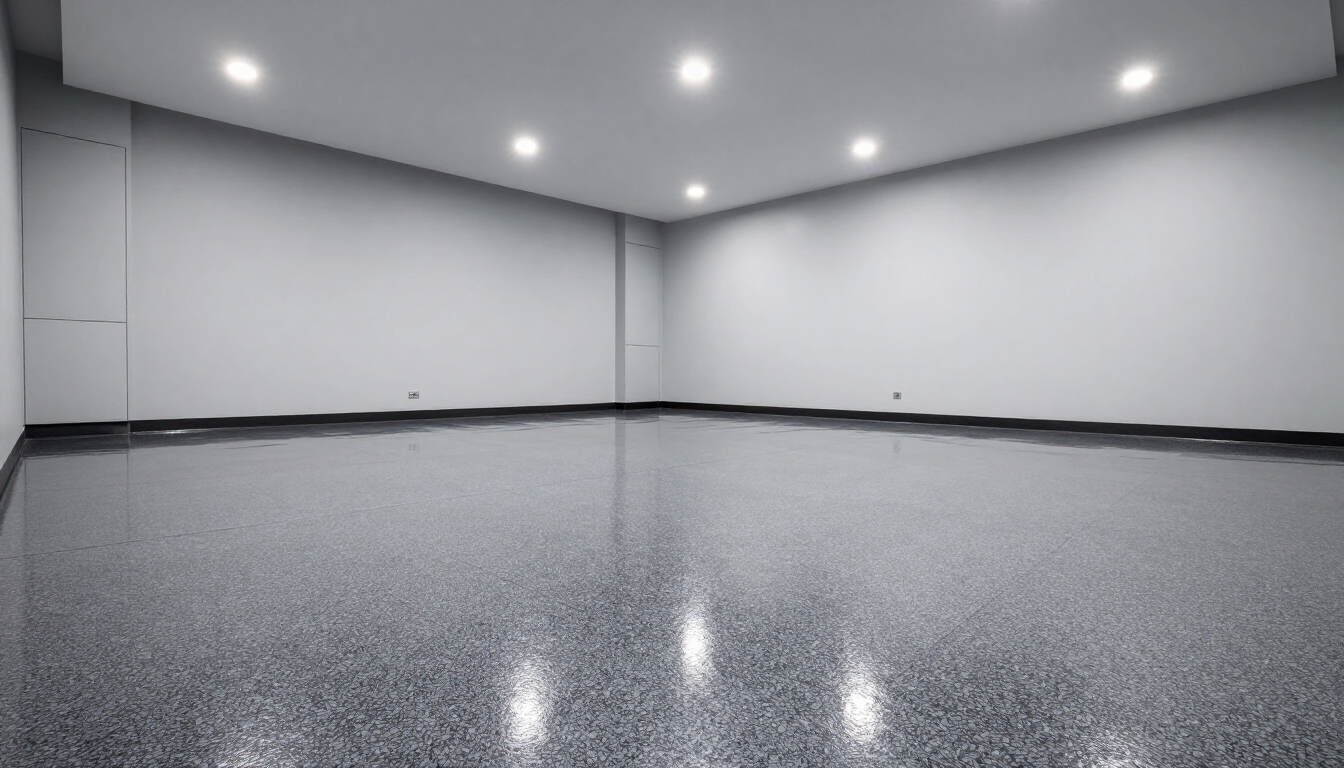
Daily maintenance is the foundational step in preserving the seamless, high-performance finish of your floor. While epoxy is incredibly durable, the biggest threat to its aesthetic longevity is surface abrasion. In a typical Greenville garage or workspace, small particles of sand, dirt, and stone act like sandpaper under the weight of tires or foot traffic. If these particles are left on the surface, they eventually create micro-scratches that dull the shine of your Garage Floor Epoxy Coating .
For daily or every-other-day care, a soft-bristle broom or a high-quality microfiber dust mop is your best tool. Microfiber is particularly effective because it uses static electricity to pull fine dust off the floor rather than just pushing it around. If you have a larger area, such as a Commercial Floor Coating , using a 24-inch or 36-inch dust mop can make the job significantly faster.
You should also pay attention to entry points. Placing walk-off mats at every door—both inside and outside—will capture a large percentage of the moisture and grit that would otherwise find its way onto your epoxy. Just be sure to use mats with a non-staining backing; some cheap rubber-backed mats can actually cause a chemical reaction with the epoxy over time, leading to yellowing or "plasticizer migration."
Finally, if you notice any localized spills or debris like wet leaves or mud, address them immediately. While the resin is non-porous, some organic materials can leach tannins if left to sit for days. A quick spot-clean with a damp paper towel is often all that is required to keep the floor looking pristine between scheduled deep cleans.
Best Supplies for Maintaining Epoxy Coatings
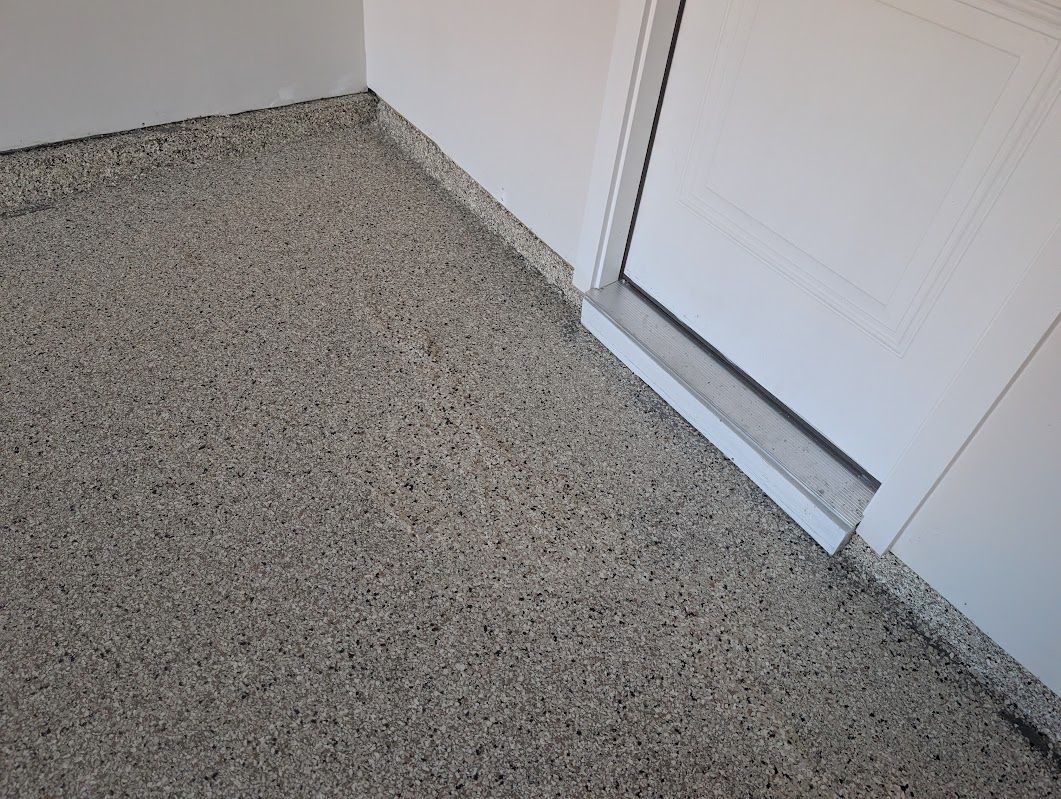
Using the wrong chemicals is one of the most common ways homeowners accidentally damage their floors. When we talk about how to clean and maintain an epoxy floor, the "neutral" is the keyword. The resin systems used in Epoxy Flake Flooring are chemically resistant, but they aren't invincible. Harsh cleaners can slowly etch the surface, leading to a cloudy appearance that can only be fixed with mechanical polishing or a new topcoat.
- Microfiber Mops: These are superior to traditional string mops because they don't leave streaks.
- pH-Neutral Cleaners: Look for products specifically labeled as pH-neutral (around pH 7).
- Simple Green or Dawn: Heavily diluted, these are safe for most residential applications.
- Soft-Bristle Brooms: Avoid stiff, coarse warehouse brooms that might scratch a high-gloss finish.
- Foam Squeegee: Useful for pushing excess water toward a drain during a full wash.
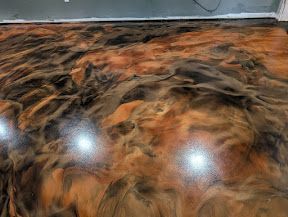
Avoid anything containing ammonia, bleach, or vinegar. Many people assume vinegar is a "natural" cleaner, but it is actually a mild acid. Over time, that acidity will eat away at the gloss of the epoxy, turning a vibrant Metallic Epoxy Flooring system into a matte, hazy surface. Similarly, soap-based cleaners like Murphy’s Oil Soap should be avoided because they leave a thin film or residue. This residue not only kills the shine but also makes the floor incredibly slippery when even slightly damp.
How do you remove stubborn stains from epoxy?
Even with the best preventative care, stains happen. In a garage setting, the most common culprits are automotive fluids like motor oil, brake fluid, and anti-freeze. While high-quality Polyaspartic Floor Coating systems provide excellent chemical resistance, leaving these fluids to sit for weeks can eventually cause discoloration.
To remove oil or grease, start by absorbing as much as possible with sawdust, kitty litter, or a specialized oil absorbent. Once the bulk of the liquid is gone, apply a concentrated solution of a pH-neutral degreaser to the area. Let it sit for 5-10 minutes (do not let it dry), then scrub gently with a soft nylon brush. Rinse the area thoroughly with clean water and dry it with a cloth. If the stain is particularly stubborn, you can use a paste made of baking soda and water, which provides a very mild abrasive action without the risk of deep scratching.
- Tire Marks: Use a specialized tire mark remover or a bit of Goof Off on a rag.
- Paint Spills: If the paint is dry, careful use of a plastic scraper may pop it off.
- Rust Stains: These usually require a gentle scrub with a soft-bristle brush and a neutral cleaner.
- Battery Acid: Neutralize immediately with baking soda before cleaning as usual.
- Bird Droppings: These are acidic; clean them as soon as they are discovered.
For homeowners with an Interior Epoxy Floor in Greenville, SC , you might encounter food-based stains like red wine or coffee. Because these are organic, they respond well to a simple mixture of warm water and a drop of dish soap. Always remember that the goal is to use the least aggressive method possible before moving to stronger solutions. If a stain persists, it’s best to contact your installer before trying harsh solvents like acetone, which can melt certain types of resin topcoats.
Common Mistakes That Damage Epoxy Floors
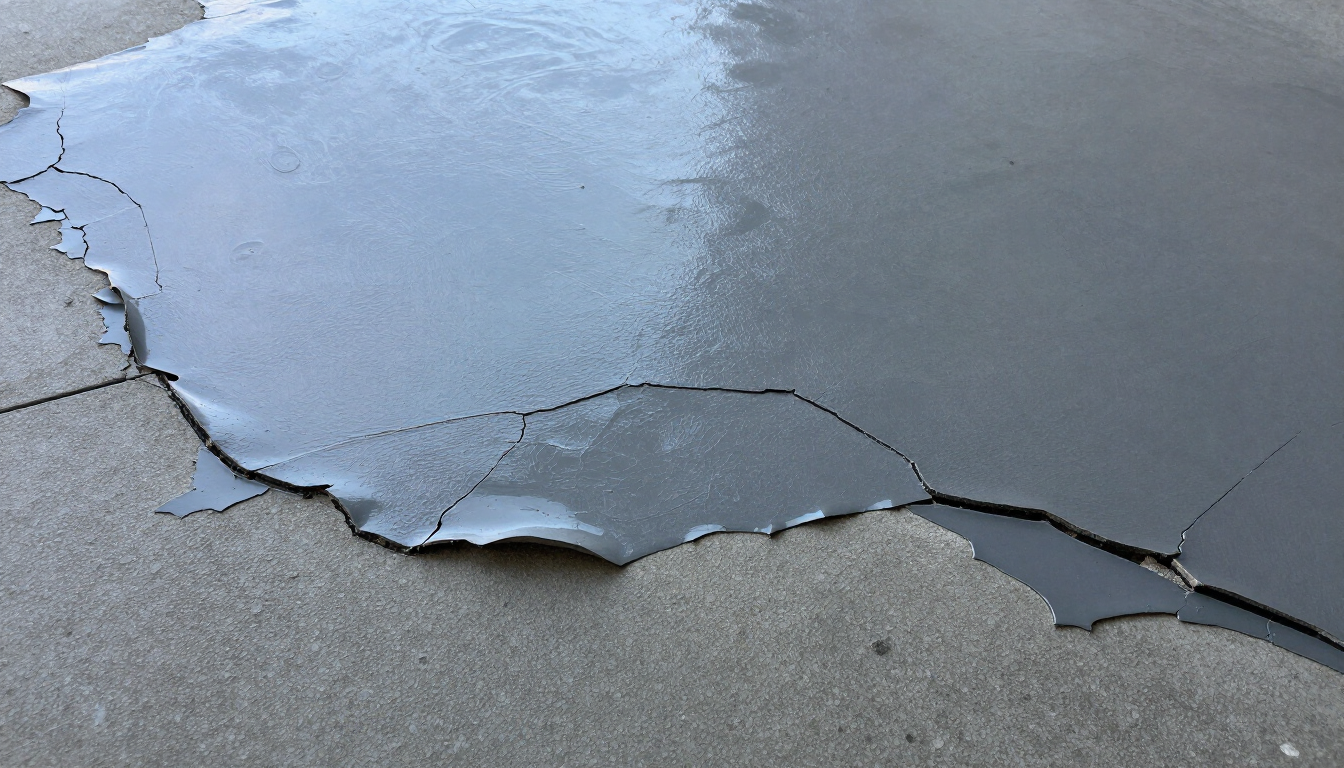
One of the most frequent errors we see in the Upstate is the use of high-pressure washers on an epoxy floor. While it might seem like a fast way to clean a garage, the concentrated force of a pressure washer can actually find tiny imperfections or chips in the coating and force water underneath the resin. This leads to delamination and peeling. Stick to a standard garden hose with a spray nozzle if you need to rinse the floor.
Another pitfall is dragging heavy equipment or furniture across the surface. While epoxy is impact-resistant, it is not scratch-proof. If you are moving a heavy tool chest or a refrigerator across your Basement Concrete Epoxy Floor Installation , always use a piece of plywood or Masonite as a path, or use furniture sliders. A single pebble caught under a heavy metal leg can gouge a line through the topcoat that is difficult to blend away.
Finally, don't ignore the importance of temperature. While epoxy handles Greenville's humidity well, extreme heat can sometimes be an issue. If you have a black flake floor in the middle of a July heatwave, the surface temperature can rise significantly. While the coating won't melt, it can become slightly more susceptible to "point loading" from very heavy objects. Keeping your garage ventilated can help maintain the structural integrity of the coating during peak summer months.
How often should you deep clean your floor?
For a standard residential garage, a deep clean should occur roughly once a month or once every three months, depending on use. If your garage is purely for car storage and sees little traffic, quarterly is plenty. However, if you use the space as a workshop, gym, or high-traffic mudroom, a monthly wet mop is advisable to remove the buildup of fine oils and grime that a dry dust mop cannot reach.
When performing a deep clean, the "two-bucket method" is highly recommended. Fill one bucket with your cleaning solution and a second bucket with clean rinse water. Dip your mop into the cleaning solution, mop a section of the floor, then rinse the dirty mop in the clean water bucket before going back into the soap. This ensures you aren't just moving dirty water around the floor. After mopping, if the floor is still quite wet, use a floor squeegee to remove the excess moisture. This prevents water spots and ensures that any dissolved minerals in our local Greenville water don't leave a white haze as they dry.
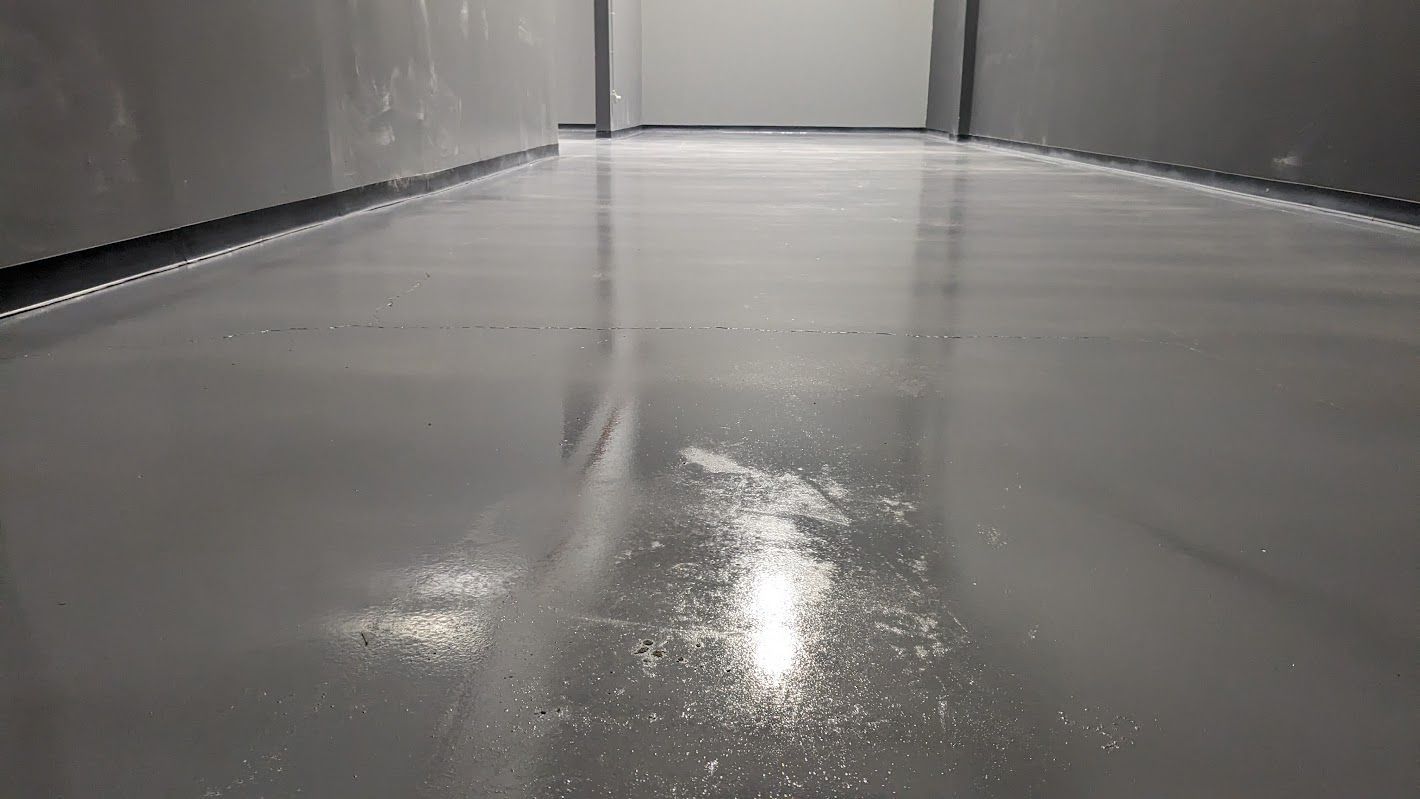
In commercial environments, such as a Warehouse Epoxy Flooring or a busy restaurant kitchen, deep cleaning may need to happen daily. In these cases, an automatic floor scrubber with a soft white pad is the most efficient choice. These machines apply the solution, scrub, and vacuum up the dirty water in a single pass, which is ideal for maintaining the slip resistance and hygiene of a large-scale industrial space.
Longevity and Professional Inspections
Even with meticulous care, the topcoat of an epoxy floor is a "sacrificial layer." Over 10 to 15 years, it will eventually show signs of wear in high-traffic paths. This is normal. Part of knowing how to clean and maintain an epoxy floor is knowing when it's time for a professional "screen and recoat." This process involves lightly sanding the existing topcoat to create a mechanical bond and then applying a fresh layer of high-solids polyaspartic or urethane. This restores the original gloss and protection without the need for a full tear-out.
Regularly inspect your floor for any signs of cracking or bubbling. In the Upstate, hydrostatic pressure (moisture pushing up through the concrete slab) can sometimes cause small blisters if a moisture vapor barrier wasn't properly installed. If you catch these early, a contractor can often perform a localized repair before the problem spreads. Similarly, if you notice a chip from a dropped heavy tool, don't wait for it to get larger. A small amount of matching resin can be used to "patch" the hole and prevent moisture from getting under the edges of the surrounding coating.
Ultimately, an epoxy floor is one of the lowest-maintenance surfaces you can choose for your home. By spending just five minutes a week with a dust mop and choosing the right pH-neutral cleaners, you can ensure that your investment looks as good in ten years as it did on the day it was installed. It is about working smarter, not harder, to protect the bond between the resin and the concrete substrate.
Summary of Epoxy Maintenance Best Practices
Maintaining your epoxy floor is a straightforward process that rewards consistency over intensity. By avoiding harsh acids and abrasive tools, you protect the chemical bonds that give epoxy its shine and strength. Whether you have a simple solid color in your basement or a high-end metallic finish in your living area, the rules remain the same: keep it dry, keep it grit-free, and use the right chemicals.
- Dust mop weekly to prevent micro-scratches from surface grit and sand.
- Use pH-neutral cleaners exclusively; avoid vinegar, bleach, and citrus-based products.
- Wipe spills immediately , especially automotive fluids and acidic liquids like wine or juice.
- Avoid soap-based cleaners that leave a slippery, dulling film on the resin surface.
- Protect the surface when moving heavy furniture or equipment to prevent deep gouges.
If you have any questions about specific products or need a professional assessment of your current floor’s condition, feel free to reach out. Proper maintenance is the key to a lifetime of service from your Greenville epoxy flooring investment.