
How to Choose Epoxy vs Polyaspartic Garage Floors

October 21, 2026

Share this article

Epoxy vs. polyaspartic garage floors comes down to priorities: epoxy generally offers stronger bonding, deeper decorative options, and more working time, while polyaspartic cures faster and provides excellent UV and abrasion resistance. For most Greenville and Simpsonville garages, the best choice depends on slab condition, schedule, sunlight, traffic, and desired appearance.

Epoxy vs polyaspartic garage floor coating comparison

What is the difference between epoxy and polyaspartic?

Epoxy and polyaspartic are resin-based floor coating systems, but they behave differently during installation and service.

  • Epoxy is a thicker coating that chemically bonds to prepared concrete and typically offers a longer installation window.
  • Polyaspartic is a fast-curing coating that can often be installed and returned to service more quickly.
  • Epoxy can provide excellent build, color depth, and decorative flake or metallic effects.
  • Polyaspartic generally performs well where UV exposure, rapid cure times, or demanding abrasion resistance matter.

The product name alone does not determine floor life. Surface preparation, moisture control, joint repair, product quality, and application thickness have a major effect on the result. A premium coating installed over poorly prepared concrete can fail sooner than a properly installed standard system.

Which coating is more durable for a garage floor?

Both materials can produce a durable garage floor when installed correctly. The more useful question is how the floor will be used.

Epoxy is known for strong adhesion and a hard, substantial finish. It works well in residential garages with vehicles, storage, bicycles, lawn equipment, and normal household traffic. Its thicker build can help create a uniform surface and encapsulate decorative flake broadcast.

Polyaspartic offers strong resistance to abrasion and many common garage contaminants. It also handles sunlight better than many standard epoxies, making it a practical option for garages with open doors, windows, or partial outdoor exposure. However, fast curing means installers have less time to spread and blend the material. The crew must be prepared, and the concrete must be ready before mixing begins.

In either system, durability depends on:

  1. Mechanical grinding or comparable preparation.
  2. Removal of weak concrete and failed coatings.
  3. Crack and joint repair where appropriate.
  4. Moisture evaluation and mitigation when needed.
  5. Correct mixing, coverage, broadcast, and cure time.

For more background on the installation process, see Residential Epoxy Flooring Installation .

Does epoxy or polyaspartic look better?

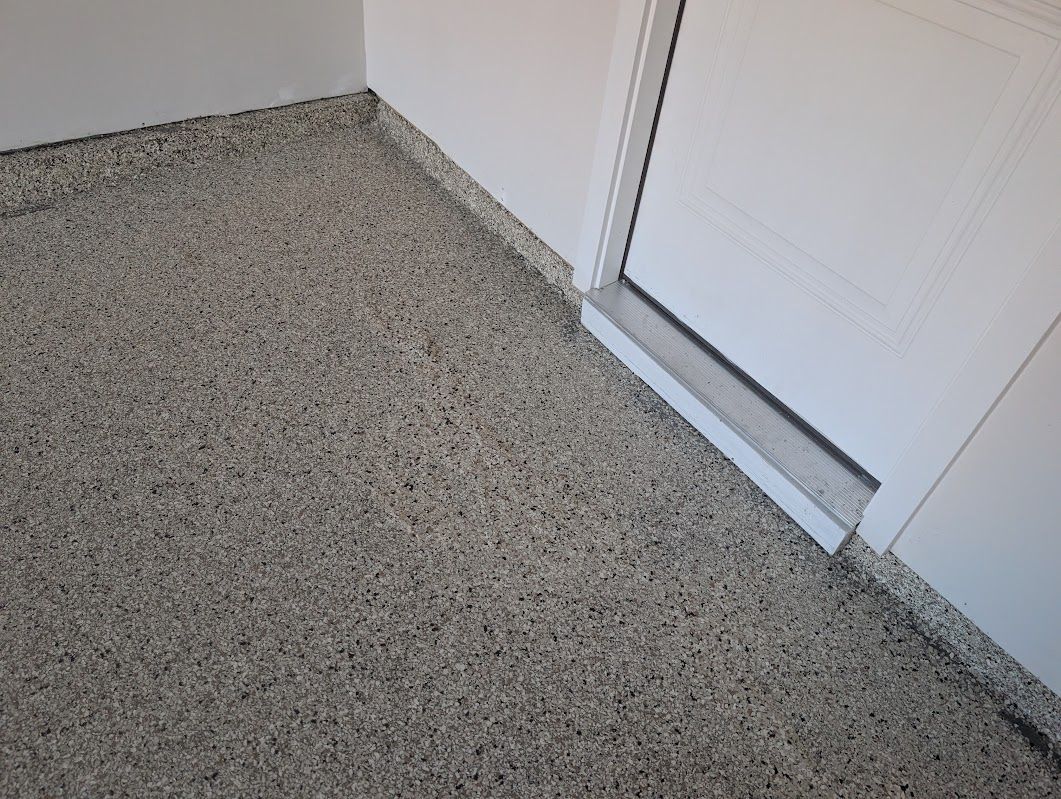
Appearance is subjective, but both systems offer substantial design flexibility. Epoxy is often chosen for its rich color, high-build appearance, and ability to support solid-color, metallic, and full-flake designs. A full-flake floor can help disguise dust, tire marks, and small visual variations in a busy garage.

Polyaspartic can also be tinted or used as part of a flake system. Many installations use an epoxy or compatible base layer with a polyaspartic broadcast coat and clear topcoat. This combination can provide decorative depth while adding UV and wear resistance.

Common garage floor looks include:

  • Full flake in gray, tan, or custom blends
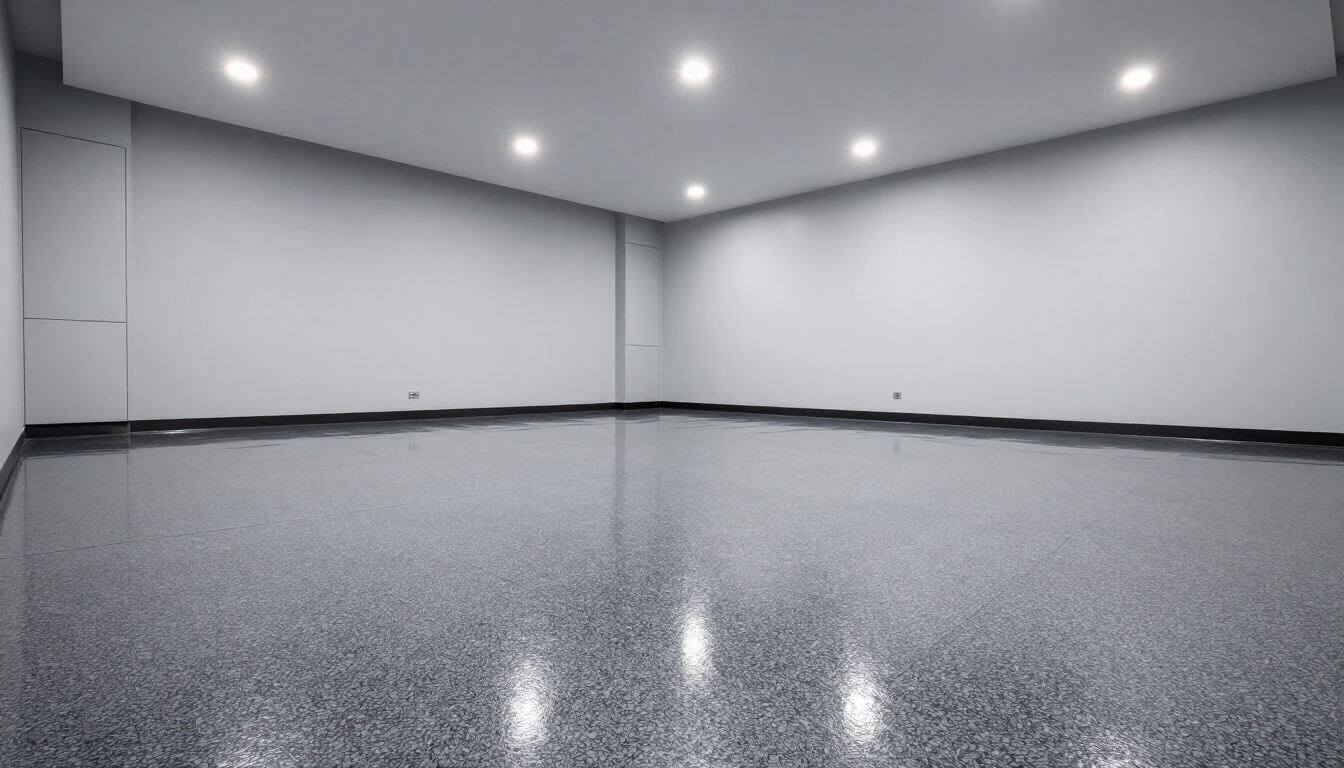
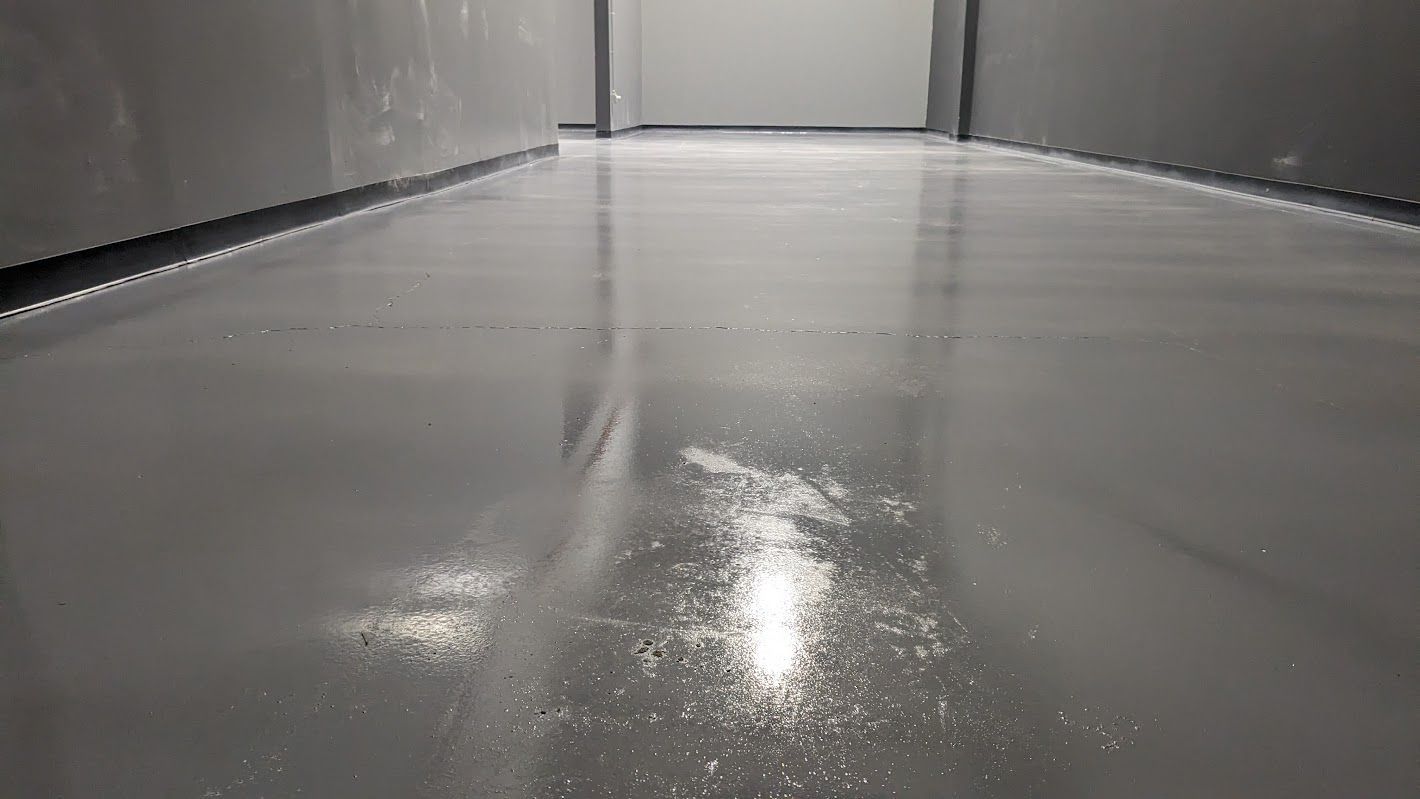
  • Solid gray or charcoal
  • Metallic effects for a more dramatic interior finish
  • Broadcast flake with a clear protective topcoat
  • Anti-slip texture for safer wet conditions

See examples of a garage floor epoxy coating in Greenville or a gray epoxy floor in Greenville before choosing a color and texture.

How long does garage floor coating installation take?

Installation time varies with slab condition, coating design, temperature, humidity, and the selected system. Polyaspartic systems can often be completed and reopened sooner because they cure quickly. That speed can be valuable when a homeowner needs the garage back in service with minimal interruption.

Epoxy may require more time between coats and before vehicle traffic is allowed. The additional time is not automatically a disadvantage. A longer working period can help the installer manage decorative materials, achieve consistent coverage, and address details before the coating sets.

A typical project may involve:

  • Inspection and moisture review
  • Mechanical surface preparation
  • Crack, joint, and spall repair
  • Primer or base coat
  • Decorative flake or pigment application
  • Scraping and vacuuming loose flake
  • Clear protective topcoat
  • Final cure before foot and vehicle traffic

The exact schedule should be based on the product technical data sheet rather than a generic promise. Greenville and Simpsonville weather can also affect cure times, especially in humid conditions or unconditioned garages.

Is polyaspartic better than epoxy in hot or sunny garages?

Polyaspartic is often the better fit for direct sunlight because it typically provides better UV stability than standard epoxy. Epoxy can discolor or amber over time when exposed to ultraviolet light, particularly without a UV-resistant topcoat.

That does not make epoxy unsuitable for every garage. A mostly enclosed garage with limited sun exposure may perform very well with an epoxy-based system. A compatible UV-stable clear coat can also improve color retention. The right specification depends on how much sunlight reaches the floor and whether the garage door stays open for long periods.

For covered patios or other exterior concrete, use a system specifically designed for outdoor exposure. Review Outdoor Epoxy for Concrete rather than assuming an interior garage coating is appropriate outside.

Which coating is easier to maintain?

Both epoxy and polyaspartic floors are relatively easy to maintain when the surface is properly sealed. Regular sweeping or dust mopping removes abrasive grit, while occasional damp mopping handles ordinary dirt and spills.

Use these habits to protect either coating:

  • Clean oil, fuel, and chemical spills promptly.
  • Use a soft dust mop or non-abrasive cleaning pad.
  • Avoid harsh solvents unless the manufacturer approves them.
  • Place protective pads beneath heavy stationary equipment.
  • Do not drag sharp metal objects across the floor.

A textured or flake finish may provide more practical concealment than a perfectly smooth solid color. If slip resistance matters, ask about an anti-slip floor coating and the amount of aggregate appropriate for the space.

What should homeowners in Greenville and Simpsonville choose?

For a typical enclosed residential garage, epoxy is a strong choice when the homeowner values decorative depth, a substantial finish, and flexible design options. It can be especially suitable when the project schedule allows careful preparation and staged curing.

Polyaspartic may be preferable when fast return to service, stronger UV resistance, or high abrasion resistance is a priority. It is also worth considering for garages that receive substantial sunlight or experience frequent use.

A hybrid system may provide the best balance: an epoxy base for build and appearance, followed by a polyaspartic or other compatible protective topcoat. Compatibility between layers matters, so the system should be specified as a complete package rather than assembled from unrelated products.

Finished decorative garage floor in a Greenville-area home

Frequently asked questions

Is epoxy cheaper than polyaspartic?

Pricing varies by preparation, repairs, coating thickness, decorative design, and system specification. Epoxy is not always less expensive, and a low quote may exclude important preparation or moisture work. Compare complete scopes rather than resin prices alone.

Can polyaspartic go over old epoxy?

Sometimes, but only after evaluating adhesion and preparing the existing surface correctly. Loose, peeling, contaminated, or incompatible coating must be removed. Applying a new layer over a failed coating does not correct the underlying failure.

Can either coating repair cracked concrete?

Coatings can bridge or conceal some minor defects, but they are not a substitute for structural concrete repair. Active cracks, moving joints, moisture issues, and spalled areas should be evaluated and treated before coating installation.

Which finish is safest when a garage gets wet?

Either system can include texture for improved traction. The correct aggregate size and distribution should balance slip resistance with cleanability. A smooth glossy floor may be easier to sweep, but it can become slippery when contaminated with water or oil.

The practical choice

Epoxy vs. polyaspartic garage floors is not a universal winner-versus-loser decision. Choose epoxy when build, decorative depth, and a flexible installation window are most important. Choose polyaspartic when fast curing, UV resistance, and abrasion performance carry more weight. A hybrid system may combine those advantages. Before deciding, evaluate the concrete, moisture, sunlight, traffic, repair needs, and desired appearance. Homeowners in Greenville, Simpsonville, and the surrounding Upstate should compare complete installation specifications—not just product names—so the selected coating matches the garage and is prepared for long-term use.

Recent Posts

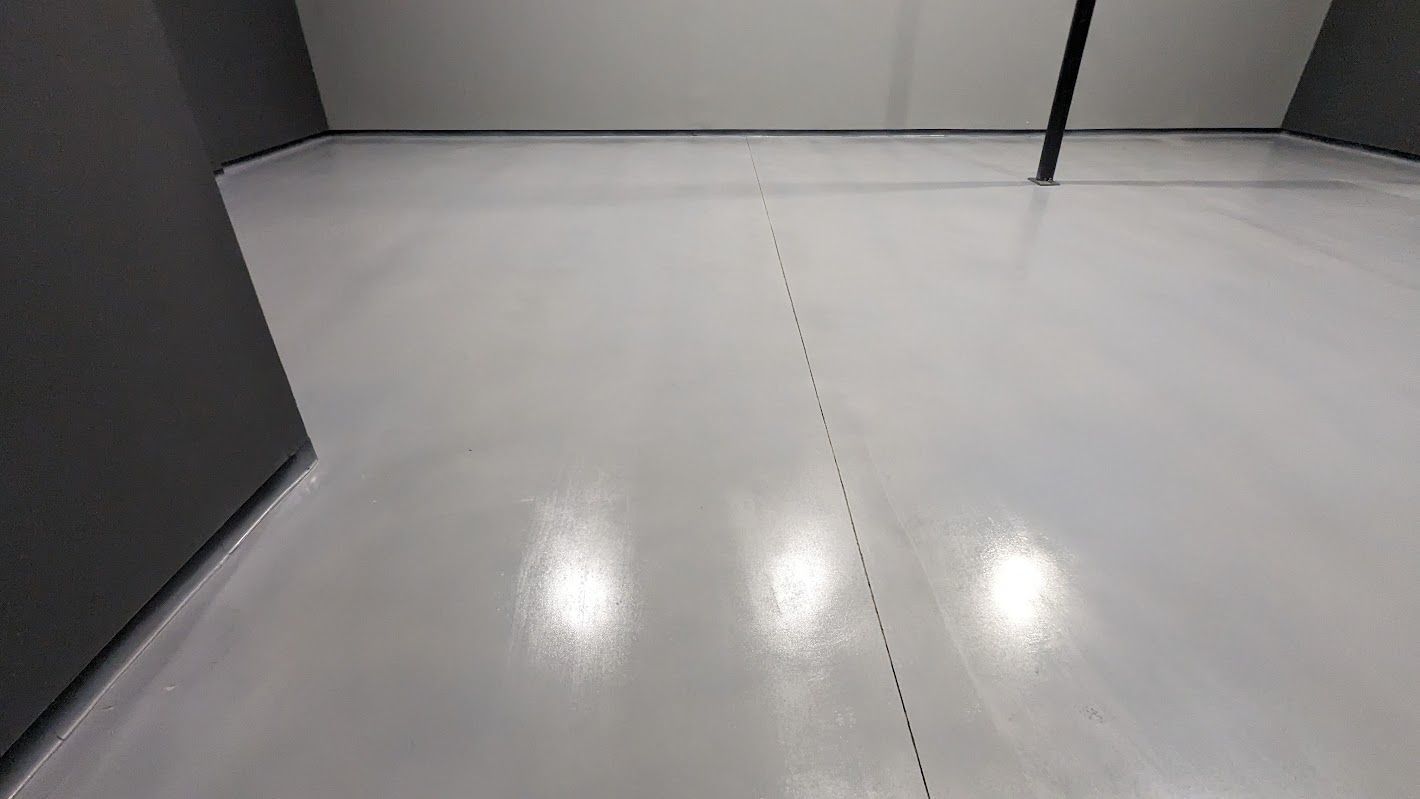
Professional commercial epoxy flooring in a clean Greenville warehouse.
October 14, 2026
Discover the benefits, technical requirements, and durability of commercial epoxy flooring for Greenville facilities. Learn how to choose the right coating for your space.
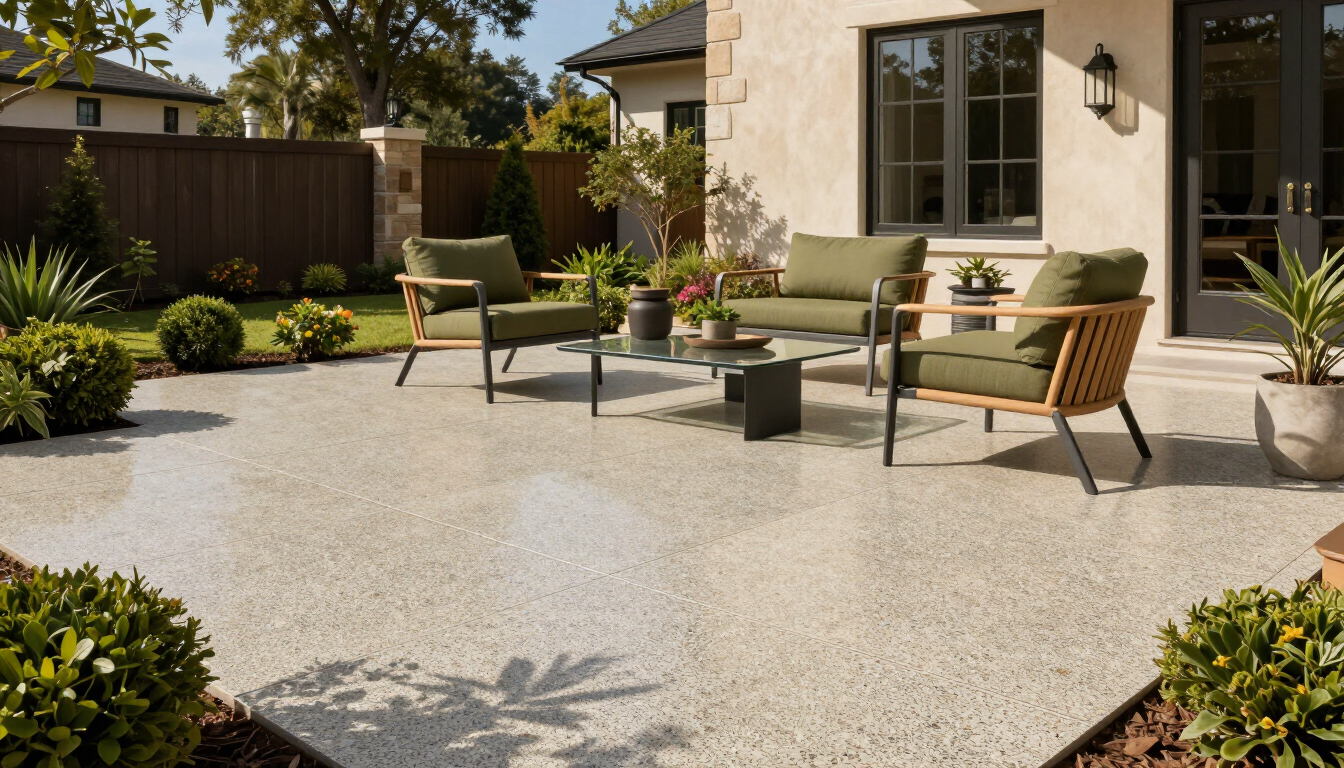
Decorative flake outdoor patio coating in Greenville, SC
October 7, 2026
Discover the best outdoor epoxy coatings for SC weather. Learn why polyaspartic systems outlast standard epoxy for Greenville patios and porches in the Upstate climate.
Professional contractor repairing concrete cracks for epoxy flooring installation
September 30, 2026
Learn if you can epoxy over a cracked concrete slab. Discover the professional process for repairing slab damage and choosing the right coating for your Greenville home.
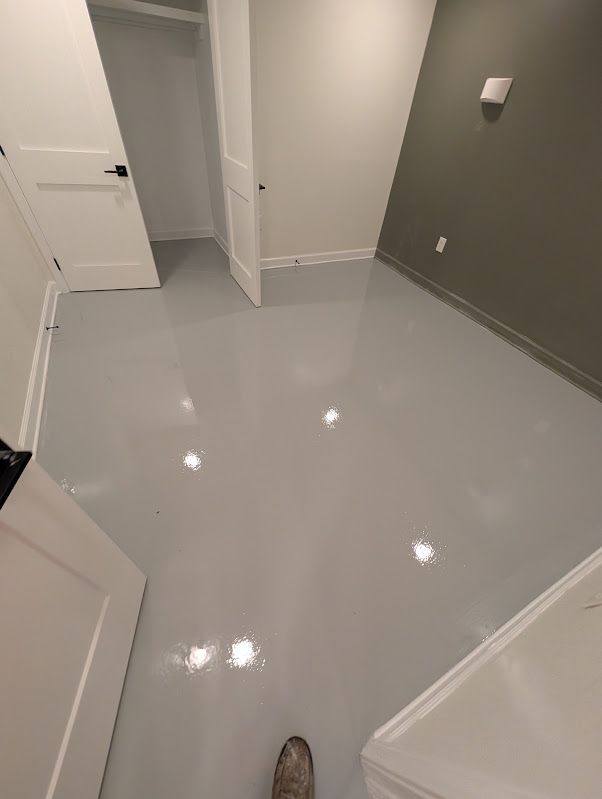
Cleaning a glossy epoxy garage floor with a microfiber mop
September 23, 2026
Discover professional tips on how to clean and maintain an epoxy floor. Learn about the best cleaners, daily care routines, and stain removal for durable garage floors in Greenville, SC.
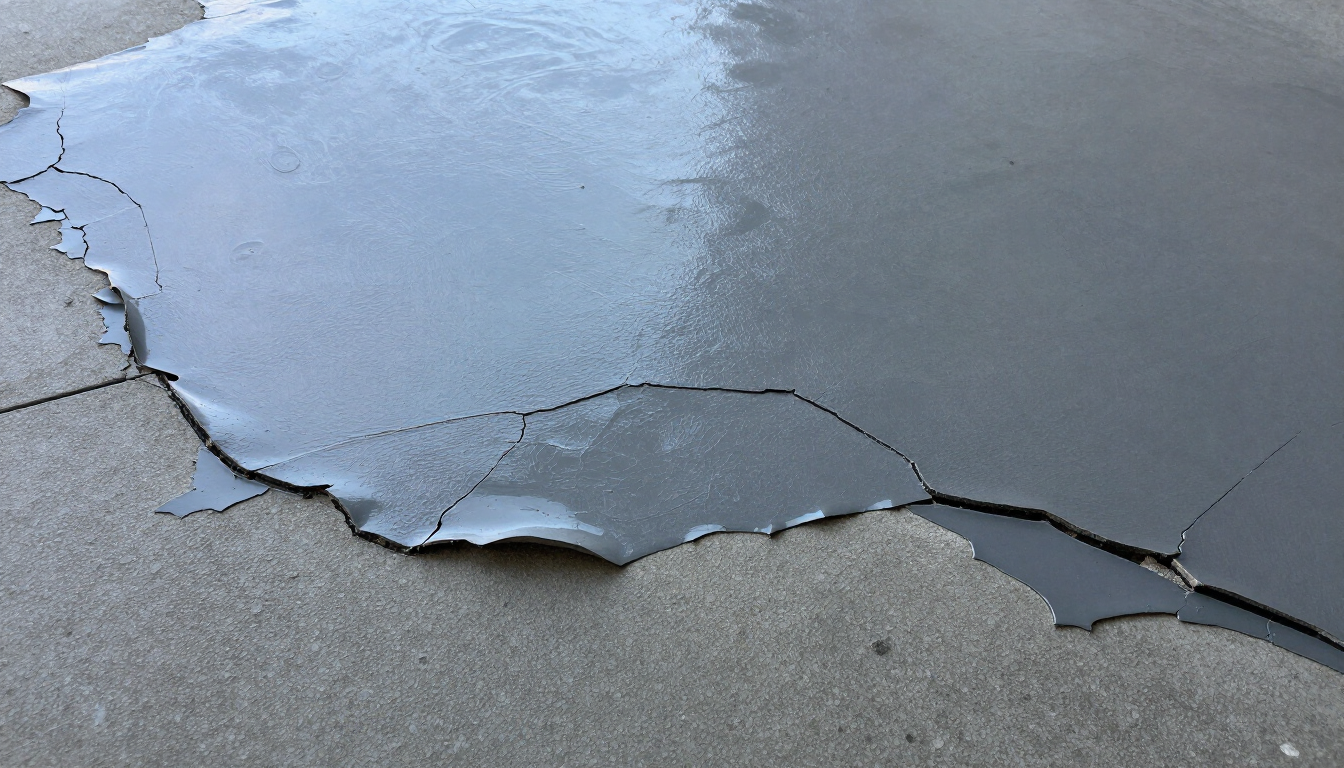
Close up of a failing epoxy floor coating with peeling and cracks.
September 16, 2026
Identify the 5 key signs of an epoxy floor coating failing, including peeling, bubbling, and yellowing. Learn how Greenville Epoxy Flooring rescues failing floors with professional grinding and moisture mitigation.
A high-quality professionally installed epoxy garage floor.
September 9, 2026
Learn the real-world lifespan of epoxy garage floors. We cover substrate prep, polyaspartic topcoats, and how to get 20 years of durability in Greenville, SC.
Comparison of different epoxy flooring systems in a residential setting.
September 4, 2026
Compare flake, metallic, and solid color epoxy flooring systems. Learn which finish is most durable for your Greenville home or business from the experts at Greenville Epoxy Flooring.
A luxury interior with a shimmering metallic epoxy floor featuring deep blue and silver swirls.
August 26, 2026
Learn the technical process behind creating stunning metallic epoxy floor patterns. Discover how pigments, application tools, and chemistry create custom effects.
A professionally installed full flake epoxy garage floor in Greenville, SC.
August 19, 2026
Learn what full flake epoxy flooring is, how it's installed, and why it's the most durable choice for Greenville homeowners' garage and basement floors.
Durable polyaspartic flake floor finish in a Greenville garage
August 12, 2026
Learn exactly how long polyaspartic takes to cure for foot and vehicle traffic. Discover how temperature and humidity affect your garage floor installation timeline.

Show More