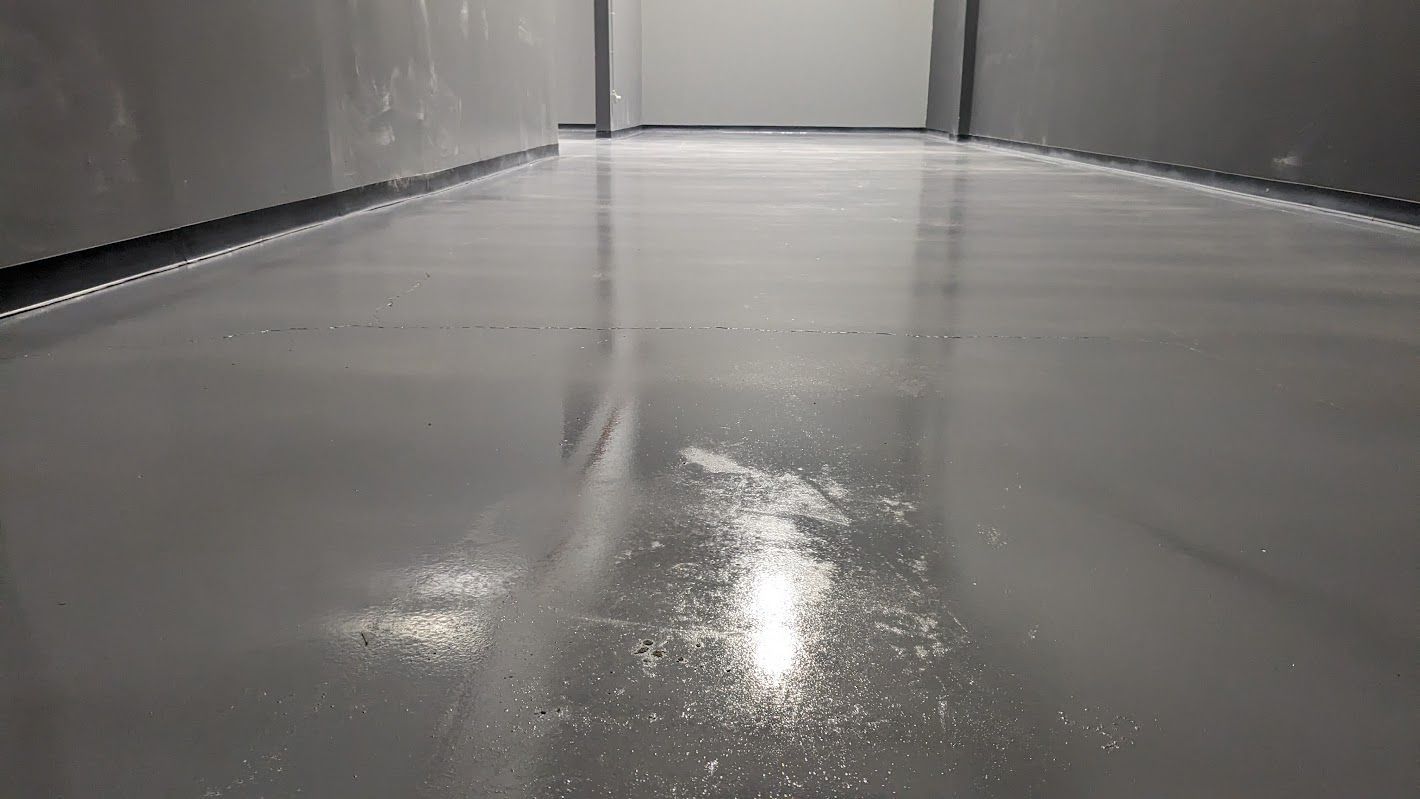
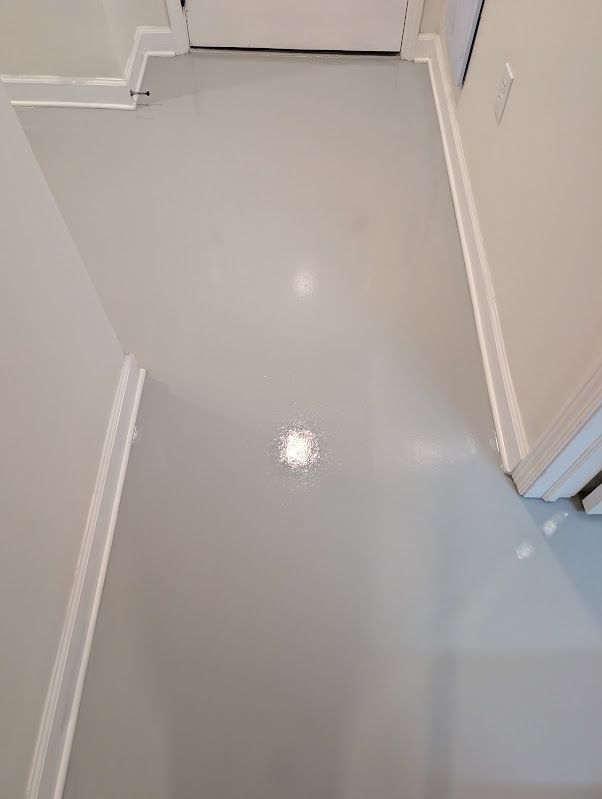
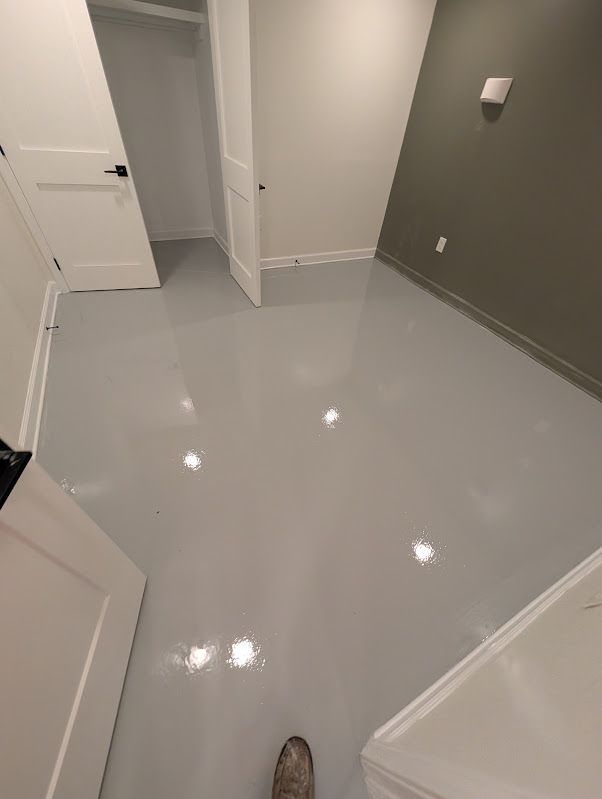
Why Jobs are Switching to Polyaspartic Coatings in 2026
Polyaspartic coatings are replacing traditional epoxy because they offer superior UV resistance, faster cure times allowing next-day use, and four times the flexibility. Unlike standard epoxy, polyaspartic floor coating technology prevents yellowing and cracking, providing a more durable, long-term solution for residential and commercial concrete surfaces.
What is the main difference between epoxy and polyaspartic?
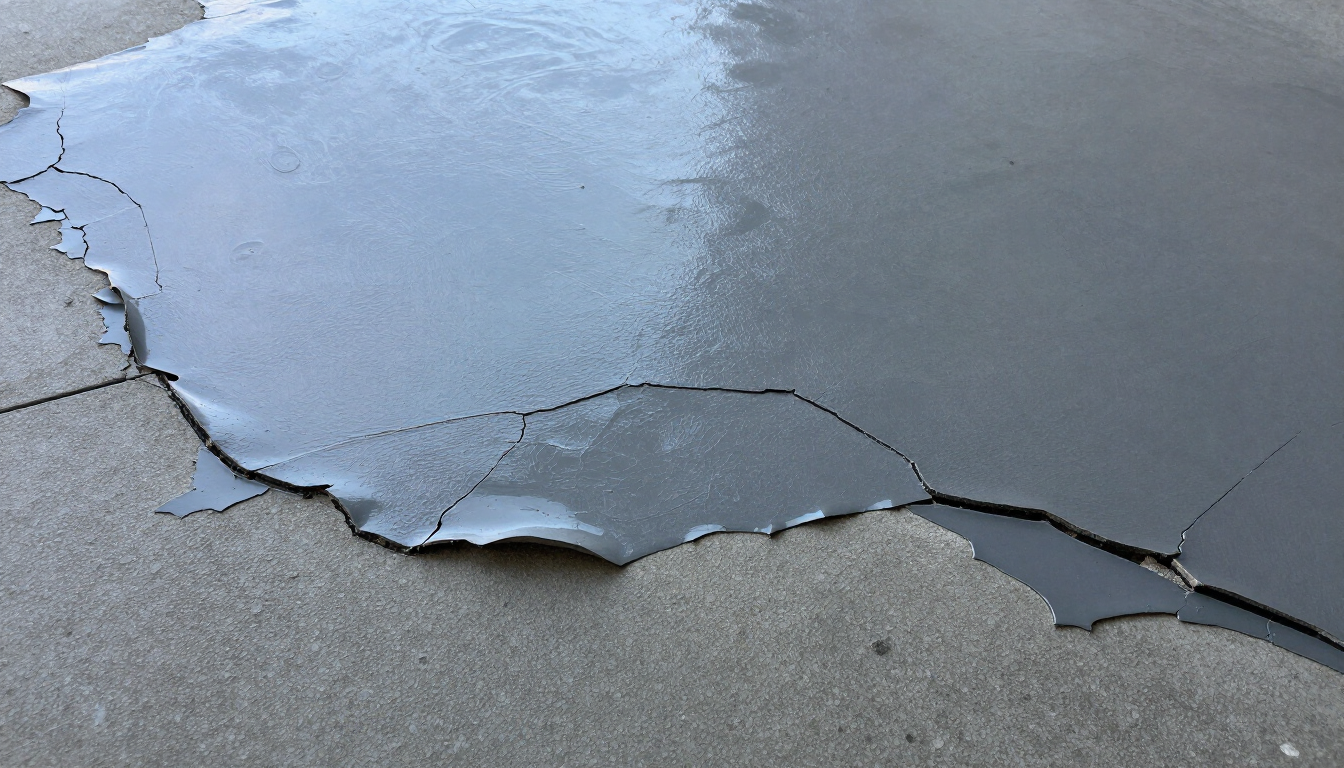
To understand why the industry is shifting, we first have to look at the chemistry. Epoxy has been the gold standard for decades, known for its incredible adhesion and hard finish. However, epoxy is essentially a rigid plastic. When concrete moves—and it always does due to temperature swings in the Upstate—epoxy can struggle to move with it. Polyaspartic, which is a specialized type of polyurea, is engineered to be more flexible. This higher elongation rate means it can withstand the natural expansion and contraction of your concrete slab without delaminating or cracking.
Another technical distinction lies in the "solids content." While many DIY kits are water-based or solvent-based with low solids, professional-grade industrial epoxy flooring and polyaspartics are often 100% solids. This means that if you apply 10 mils of wet product, you get 10 mils of dry protection. Nothing evaporates away. Polyaspartic coatings take this a step further by offering a denser cross-linking at the molecular level, making them significantly more resistant to chemicals and hot-tire pickup.
Key chemical advantages of polyaspartic include:
- Faster reaction time during the curing phase
- Higher tolerance for various application temperatures
- Superior resistance to oil and chemical staining
- Enhanced flexibility for long-term slab movement
- Better penetration into the concrete pores
Why is UV resistance critical for Greenville floors?
In Greenville and the surrounding Upstate areas, we get plenty of intense sunlight. Traditional epoxy is highly sensitive to ultraviolet (UV) radiation. If you have an epoxy floor in a garage with the door open frequently, or on an outdoor epoxy floor , the sun will eventually break down the polymer chains. This results in "ambering" or yellowing, where a once-crisp gray or white floor takes on a sickly yellow tint. Beyond aesthetics, UV damage makes the coating brittle, leading to flaking and peeling.
Polyaspartic coatings are inherently UV-stable. They do not yellow, even under direct, constant sunlight. This makes them the only logical choice for areas like a patio epoxy flooring or a pool deck. Even for interior garages, the UV stability ensures that the portion of the floor near the garage door looks exactly the same as the floor in the back corner ten years down the line. We often see homeowners in Simpsonville and Greer requesting polyaspartic topcoats specifically to protect their investment from the South Carolina sun.
Superior Durability and Impact Resistance
When we talk about durability, we aren’t just talking about how hard the surface is. A floor can be very hard but very brittle, like glass. If you drop a heavy wrench on a brittle floor, it chips. Polyaspartic coatings strike the perfect balance between hardness and impact resistance. Because the material remains slightly flexible, it absorbs the energy of an impact rather than shattering. This is why it is becoming the preferred choice for commercial floor coating in warehouses and mechanic shops across the Upstate.
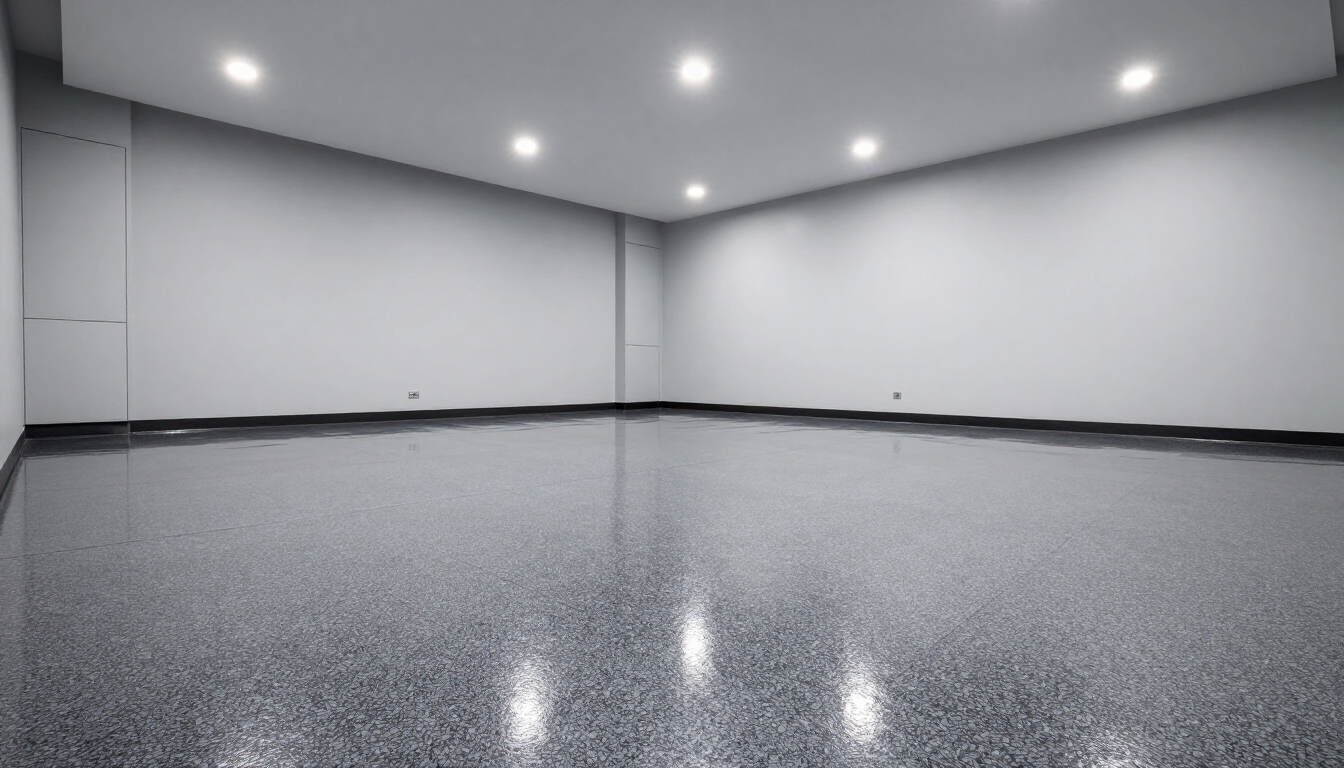
In terms of abrasion resistance, polyaspartic often tests three to four times higher than standard epoxy. This means it can withstand the constant scuffing of foot traffic, heavy machinery, and vehicle tires without losing its gloss or wearing down to the concrete. For high-traffic areas like a warehouse epoxy flooring , this durability translates directly into a longer service life and a better return on investment. You aren't just buying a floor; you're buying a decade or more of maintenance-free performance.
How does the cure time impact your project timeline?
One of the biggest frustrations with traditional epoxy is the downtime. A standard epoxy system often requires 24 hours between coats and a full 7 days before you can drive a vehicle onto it. For a busy household in Travelers Rest or a business in downtown Greenville, being out of a garage or workspace for a week is a significant inconvenience. Polyaspartic technology solves this problem with its rapid-cure properties.
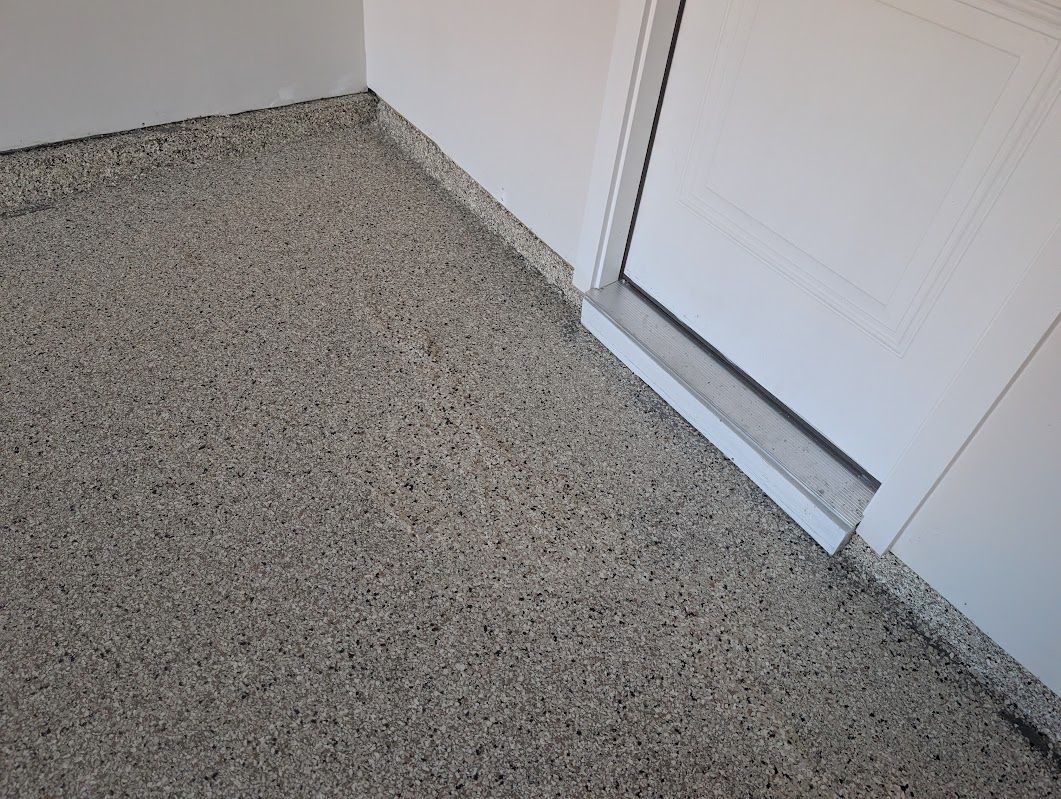
We can typically complete a residential epoxy flooring installation using polyaspartic in a single day. The coating is dry to the touch in just a few hours. You can usually walk on the floor that evening and park your cars back in the garage within 24 to 48 hours. This "return to service" speed is a game-changer for commercial clients who cannot afford to shut down operations for multiple days. In the commercial world, time is literally money, and polyaspartic is the tool that saves both.
Can polyaspartic be used for outdoor applications?
Absolutely, and this is where it truly outshines epoxy. Because epoxy degrades in the sun, it should never be used on exterior surfaces. Polyaspartic, however, was originally developed for industrial uses like coating bridges and water towers—environments where weather resistance is non-negotiable. This makes it ideal for a patio epoxy flooring in Greer, SC or a walkway in Easley.
When we apply polyaspartic outdoors, we often include an anti-slip additive. This ensures that the surface remains safe even when wet from rain or a garden hose. The ability to have a seamless, easy-to-clean, and beautiful finish on your porch or patio is a major reason why many homeowners are moving away from traditional concrete stains or pavers. The polyaspartic provides a sealed barrier that prevents weeds from growing through cracks and stops salt and de-icing chemicals from pitting the concrete during our occasional Upstate freezes.
Critical Substrate Preparation Requirements
No matter how advanced the coating is, it will fail if the preparation isn't handled correctly. We see many "failed-coating rescues" where a DIY kit or a low-bid contractor skipped the vital steps of surface preparation. At Greenville Epoxy Flooring, we don't just mop on the product. We perform a full industrial diamond grinding of the slab to open up the "pores" of the concrete, ensuring a mechanical bond that is stronger than the concrete itself.
Preparation steps that cannot be ignored include:
- Moisture vapor testing to ensure the slab isn't too wet
- Diamond grinding to a specific concrete surface profile (CSP 2-3)
- Patching all cracks and divots with high-strength fillers
- Grinding out and repairing expansion joints
- Thorough dust extraction to ensure a clean surface
Is polyaspartic more expensive than traditional epoxy?
On the surface, polyaspartic materials are more expensive per gallon than epoxy. However, the total cost of the job involves more than just the liquid in the bucket. When you factor in the reduced labor time (one day vs. three days) and the significantly longer lifespan of the floor, polyaspartic often ends up being the more cost-effective choice. You are paying for a premium resin that won't require a recoat in five years due to UV damage or tire peeling.
Furthermore, the durability of a garage floor epoxy coating using polyaspartic topcoats means you spend less on maintenance and repairs. In a commercial setting, the fast return to service can actually make polyaspartic the cheaper option by a wide margin, as it eliminates the need for extended business closures. For a homeowner in Simpsonville or Mauldin, the peace of mind knowing the floor won't yellow or peel is worth the slight initial premium.
Choosing the Right Coating for Your Upstate Property
Deciding between epoxy and polyaspartic often comes down to the specific needs of the space. While we occasionally use epoxy primers for specific moisture-mitigation scenarios, we almost always recommend a polyaspartic topcoat for its superior finish and longevity. Whether you are looking for a metallic garage floor in Fountain Inn, SC or a heavy-duty shop floor epoxy in Berea, the technical advantages of modern coatings are undeniable.
Core takeaways for your flooring project:
- Polyaspartic is 4x more flexible and durable than standard epoxy.
- It is 100% UV stable, making it perfect for outdoor and sun-lit areas.
- You can return to service in as little as 24 hours.
- Professional diamond grinding is mandatory for a lasting bond.
- The long-term ROI exceeds that of cheaper DIY epoxy kits.
If you are ready to upgrade your space with a floor that is built to last, focusing on the technical details of the coating is the best place to start. A high-performance floor is a combination of the right chemistry and the right craftsmanship. By choosing polyaspartic, you are choosing the current peak of concrete coating technology.