Epoxy vs. Polyaspartic: Choose the Best Garage Floor
Epoxy vs. polyaspartic floor coatings differ primarily in cure time, UV stability, and flexibility. Epoxy offers superior adhesion and moisture mitigation for base coats, while polyaspartic provides a faster-curing, UV-resistant topcoat that won’t yellow. Most high-end garage floor coating options today utilize a hybrid system of both for maximum durability.
What is the primary difference between epoxy and polyaspartic?
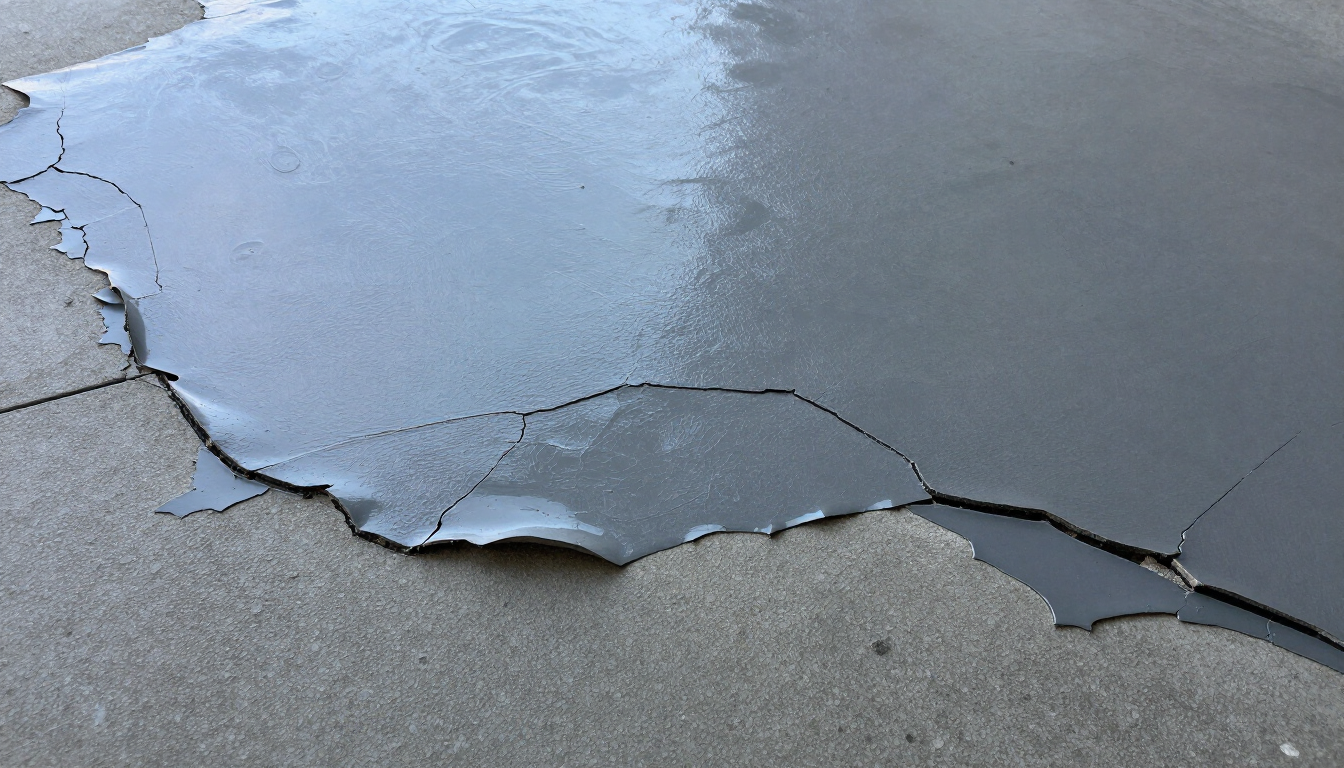
When homeowners begin researching garage floor coating options , they often encounter two main chemical families: epoxies and polyaspartics. At its core, epoxy is a thermosetting resin that is applied as a liquid and cures into a hard, rigid plastic. It is celebrated for its incredible bond strength to concrete, making it the industry standard for base coats. However, epoxy can be brittle and is susceptible to UV degradation, which causes it to yellow or "amber" over time when exposed to sunlight.
Polyaspartic floor coating , on the other hand, is a sub-class of polyurea. It was originally developed in the 1990s to protect steel bridges from corrosion. Polyaspartics are much more flexible than epoxies, allowing them to expand and contract with the concrete as temperatures fluctuate. This flexibility makes them highly resistant to impact and prevents the coating from cracking or chipping under heavy use. Furthermore, polyaspartics are 100% UV stable, meaning they will remain crystal clear for the life of the floor, even in garages with high sun exposure.
Comparing Cure Times and Installation Speed
One of the most significant practical differences for a Greenville homeowner is the installation timeline. Traditional epoxy systems are notoriously slow to cure. Depending on the specific formulation and the ambient temperature in the Upstate, an epoxy floor can take 12 to 24 hours just to become tack-free, and several days to reach full chemical cure. This often means your garage is out of commission for three to five days. If you are planning a Residential Epoxy Flooring Installation , you must account for this downtime.
Polyaspartic technology revolutionized this timeline. Polyaspartics are known for their "rapid cure" properties. A professional crew can often apply a polyaspartic topcoat and have it ready for foot traffic in just a few hours. In many cases, a full multi-layer system can be installed in a single day, with the homeowner returning their car to the garage within 24 hours. This speed is a double-edged sword, however; it requires a highly skilled crew to apply the material correctly before it hardens in the bucket, a challenge that many DIY kits simply cannot handle.
Is polyaspartic more durable than traditional epoxy?
In the world of professional coatings, durability is measured by several factors: abrasion resistance, impact resistance, and bond strength. Polyaspartic coatings generally outperform traditional epoxies in abrasion resistance, meaning they are less likely to show scratches from sliding tools or heavy equipment. This is particularly important for high-traffic areas or a commercial floor coating where floor jacks and heavy machinery are common. Because polyaspartic is more elastic, it absorbs the energy of a dropped hammer rather than cracking like a rigid epoxy might.
However, epoxy still holds a significant advantage in one area: the initial bond to the concrete substrate. Because epoxy has a longer "open time," it can penetrate deeper into the pores of the concrete before it begins to harden. This creates a mechanical bond that is nearly impossible to break. This is why many craftsmen in the Upstate prefer a hybrid approach—using a high-solids epoxy as the primer/base coat to lock onto the slab, and a polyaspartic as the topcoat to provide the scratch resistance and UV protection. This "best of both worlds" strategy ensures the floor won't peel while staying beautiful for decades.
UV Resistance and Chemical Performance
For many residents in areas like Simpsonville or Greer, the garage door stays open for long periods during weekend projects. This exposes the floor to direct sunlight. If you choose a standard epoxy, the UV rays will eventually break down the chemical bonds in the resin, leading to a chalky finish and a noticeable yellow tint. Polyaspartic coatings are inherently UV stable. They do not yellow, fade, or peel when exposed to the sun, making them the only viable choice for a patio epoxy flooring in Simpsonville, SC or any outdoor application.
From a chemical standpoint, both materials are excellent at resisting common household spills. Here is how they handle typical garage fluids:
- Motor Oil: Both resist staining if wiped up promptly.
- Gasoline: Polyaspartic has a slight edge in long-term chemical resistance.
- Brake Fluid: Highly corrosive; polyaspartic topcoats provide a stronger barrier.
- Road Salt: Both protect the concrete from salt-induced spalling.
- Battery Acid: Requires specialized industrial-grade coatings for full protection.
Which coating is best for a Greenville garage?
Greenville’s climate presents unique challenges for floor coatings. We experience high humidity in the summer and freezing temperatures in the winter. High humidity can interfere with the curing process of certain epoxies, potentially leading to "blushing" or a cloudy finish. Polyaspartic coatings are generally less sensitive to moisture during the application phase, though they still require a dry slab. If you are coating a Basement metallic epoxy floor in Greenville, SC , moisture vapor transmission from the ground is a major concern that must be addressed with a specialized epoxy moisture barrier.
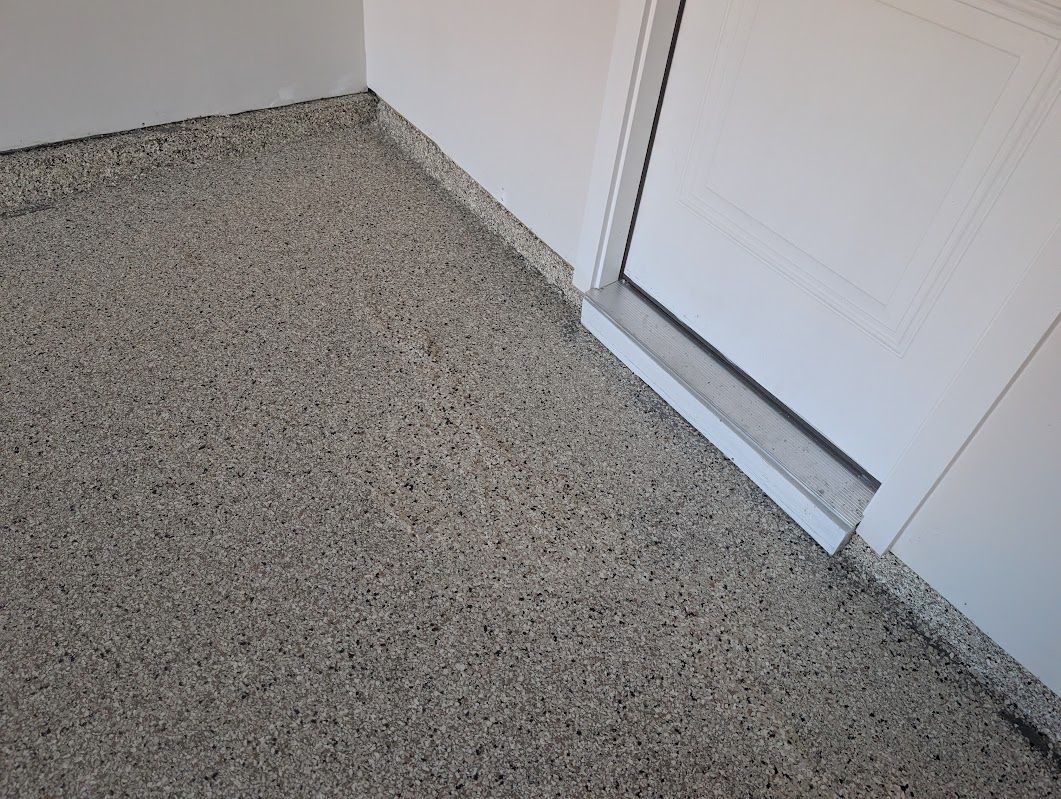
For a standard garage, the decision often comes down to how you use the space. If your garage is strictly for parking and storage, a high-quality epoxy flake system might be sufficient. However, if you use the space as a workshop, or if you have south-facing windows that let in lots of light, the investment in a polyaspartic system is well worth it. The "hot tire pick-up" phenomenon—where hot tires from a long drive bond to the coating and pull it off the floor—is much less common with polyaspartic systems due to their higher heat resistance and superior flexibility.
Understanding the Concrete Preparation Process
Regardless of whether you choose epoxy vs. polyaspartic, the coating is only as good as the preparation. At Greenville Epoxy Flooring, we don't just pour chemicals on the floor. The process starts with mechanical diamond grinding. This removes the "laitance" (the weak top layer of concrete) and opens the pores of the slab to a specific profile, usually resembling 60-80 grit sandpaper. This is a critical step that DIY kits usually skip in favor of a weak acid wash, which often leads to floor failure within the first year.
After grinding, we address the "details" that define a craftsman-level floor. This includes:
- Repairing hairline cracks with high-strength polyurea filler.
- Honoring expansion joints or filling them for a seamless look.
- Removing oil stains that could compromise the bond.
- Testing for moisture levels within the concrete slab.
- Vacuuming all dust using HEPA-filtered industrial vacuums.
Without these steps, even the most expensive polyaspartic will eventually delaminate. A durable floor coating requires a clean, profiled, and dry substrate to ensure the chemical bond is permanent.
How do maintenance requirements differ?
Maintenance for both epoxy and polyaspartic floors is remarkably simple compared to bare concrete. Because these coatings are non-porous, dirt and fluids sit on the surface rather than soaking in. For daily cleaning, a soft-bristled broom or a leaf blower is usually all you need to remove debris. For a deeper clean, a mop with a pH-neutral cleaner mixed with warm water will restore the original shine. Avoid using harsh acidic cleaners or citrus-based products, as these can dull the finish over several years.
Polyaspartic floors have a slight advantage in maintenance because they are denser and smoother, making it harder for grime to "grip" the surface. In commercial settings, where floors are scrubbed daily, the high abrasion resistance of polyaspartic means the floor will maintain its gloss longer than a standard epoxy. If the floor does eventually lose its luster after a decade of hard use, a polyaspartic floor can often be lightly sanded and "re-topped" with a fresh clear coat, extending the life of the system indefinitely.
Making the Right Choice for Your Home
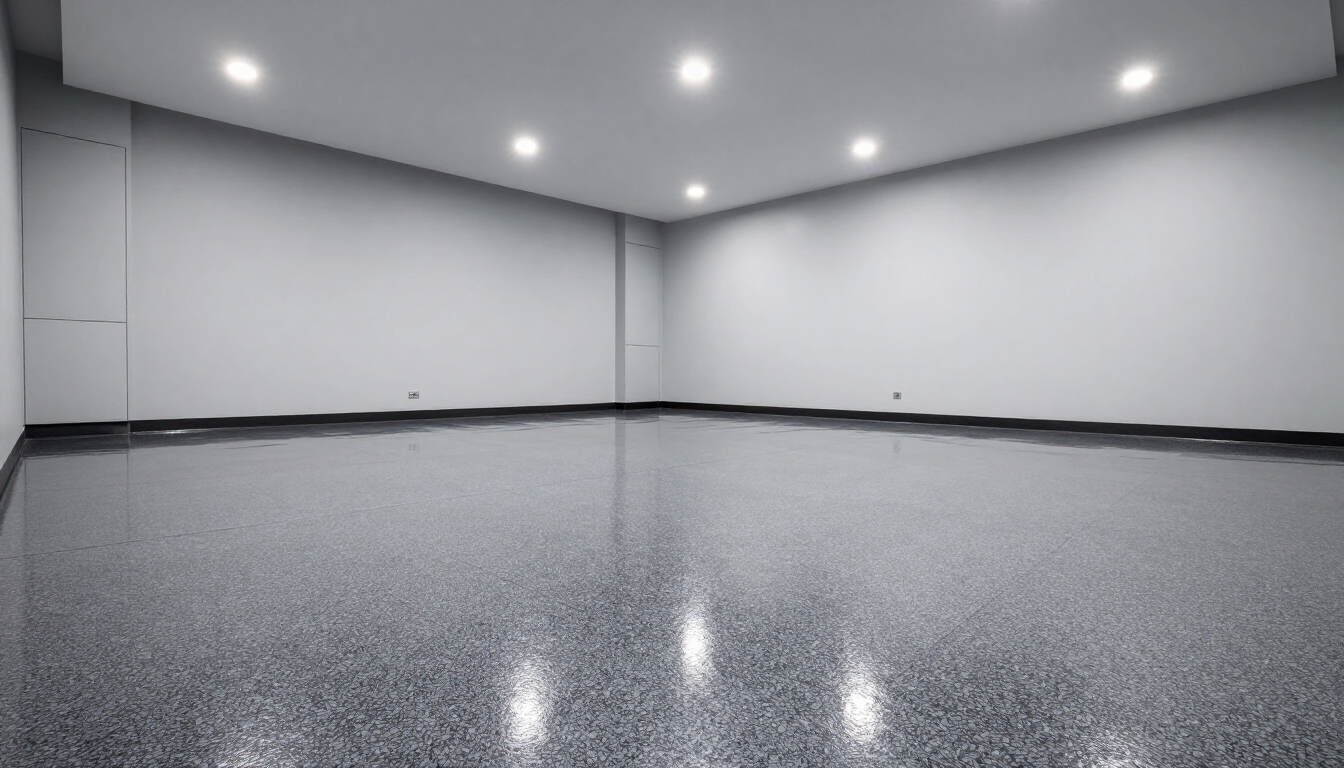
Choosing between epoxy and polyaspartic shouldn't be a source of stress. In most residential garage applications in the Upstate, a hybrid system is the most logical choice. This involves an epoxy primer for maximum adhesion and a polyaspartic topcoat for maximum protection. This combination addresses the weaknesses of each material while highlighting their strengths. It provides the deep-rooted bond of epoxy with the fast-curing, UV-stable, and scratch-resistant properties of polyaspartic.
When evaluating quotes from contractors, ask specifically about the products they use and their preparation methods. A low-cost provider may use a "big box store" epoxy that is 50% water or solvent, which shrinks as it dries and leaves a thin, brittle film. A craftsman-driven contractor will use 100% solids materials that provide a thick, resilient barrier. The goal is a floor that doesn't just look good on day one, but looks just as good on day 3,000.
Summary of Key Takeaways
- Epoxy is the king of adhesion and moisture mitigation for base layers.
- Polyaspartic is superior for UV stability, scratch resistance, and fast cure times.
- Preparation via diamond grinding is more important than the choice of chemical.
- Hybrid Systems (Epoxy base + Polyaspartic top) offer the best long-term value.
- Maintenance is minimal for both, requiring only basic cleaning to maintain the finish.
Deciding on the right floor depends on your budget, your timeline, and how much sun your garage receives. If you want a floor that can be installed in one day and will never yellow, polyaspartic is the clear winner. If you are looking for a cost-effective, high-build interior solution for a basement or shop, epoxy remains a powerhouse. By understanding these technical differences, you can make an informed decision that adds lasting value to your Greenville home.