
5 Epoxy Floors Benefits and Limits to Know

November 25, 2026

Share this article

Epoxy floors are resin-based coatings applied over prepared concrete to create a seamless, durable surface. They resist stains, abrasion, and everyday moisture, making them useful in garages and selected interior spaces. Their limitations include demanding installation, sensitivity to poor substrate preparation, heat or UV exposure, and possible difficulty with repairs.

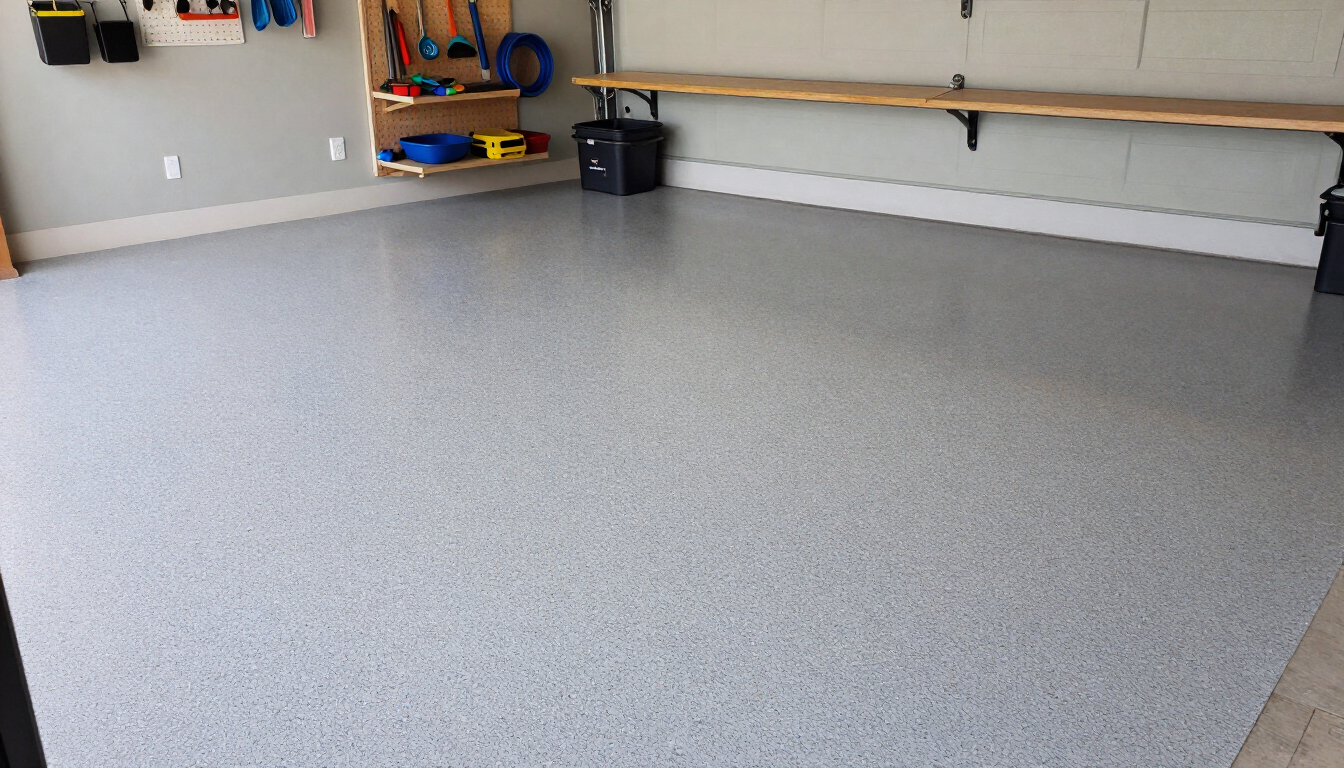
Photorealistic gray flake epoxy floor in a clean Greenville garage

What are the main benefits of epoxy floors?

Epoxy flooring is popular because it changes plain concrete into a finished, easy-to-maintain surface. For homeowners comparing garage flooring options in Greenville, Berea, and throughout the Upstate, its strongest advantages are practical rather than purely decorative.

  • Durability: A properly installed system can handle vehicle traffic, foot traffic, dropped tools, and routine abrasion.
  • Stain resistance: The sealed surface helps protect concrete from oil, grease, salt, mud, and common household spills.
  • Easy cleaning: Dust and spills generally remain on the surface instead of penetrating porous concrete.
  • Design flexibility: Full-flake, metallic, solid-color, and decorative systems can suit different garages and interior rooms.
  • A finished appearance: Epoxy can make an unfinished garage, basement, or utility area look more deliberate and complete.

A broadcast flake system can also add texture and visual variation while helping disguise minor dirt between cleanings. For an example of this style, see epoxy flake flooring or the epoxy flake floor in Greenville .

Is epoxy flooring durable enough for a garage?

Usually, yes—when the concrete is sound and the coating system is selected and installed correctly. A garage floor must tolerate more than normal walking. Tires bring in water and road salt, jacks and tools can create impact, and hot tires can stress weak coatings.

The durability of epoxy floors depends on several factors:

  1. Concrete condition: Cracks, weak areas, previous coatings, and contamination must be addressed.
  2. Surface preparation: Mechanical grinding is often needed to remove laitance and create a profile the coating can bond to.
  3. System thickness: A professional multi-coat system generally provides more protection than a thin do-it-yourself kit.
  4. Cure conditions: Temperature, humidity, and cure time affect the final performance.
  5. Topcoat selection: A compatible topcoat can improve abrasion resistance, chemical resistance, and appearance.

A coating can look excellent on installation day and still fail early if preparation is skipped. Peeling, bubbling, and delamination are commonly substrate or moisture problems—not proof that every epoxy product is unsuitable.

What are the limits of epoxy floors?

Epoxy is not a universal solution for every concrete surface or room. Knowing its limitations helps homeowners make a more realistic decision.

Moisture can cause coating failure

Moisture vapor moving through a slab can create bubbles, whitening, peeling, or adhesion loss. This is especially important in basements, new construction, and slabs with drainage or grading concerns. Testing and, when necessary, moisture mitigation should happen before coating installation.

Preparation is disruptive

Professional preparation may involve grinding, crack filling, joint repair, dust control, and removal of an unsuccessful previous coating. The process is more involved than simply rolling paint over concrete, and the space must remain clear during the work and cure period.

Epoxy may yellow outdoors

Standard epoxy is generally better suited to interior or protected spaces. Direct sunlight can cause some epoxy systems to amber, fade, or lose gloss. For patios, pool areas, and other exposed locations, ask whether a UV-stable system such as polyaspartic is more appropriate. Review outdoor epoxy for concrete before choosing a product for an exterior slab.

Repairs may be visible

A damaged area can often be repaired, but a spot repair may not disappear perfectly, especially with metallic or strongly patterned finishes. Keeping leftover material and documenting the original system can make future repairs easier.

Is epoxy a good choice for every room in a home?

No. Epoxy works best where a seamless, cleanable, hard surface is valuable and the concrete substrate is suitable. Garages are the most common residential application, but basements, mudrooms, kitchens, and bathrooms may also be candidates.

For interior rooms, consider:

  • Garages: Strong fit for vehicle traffic, oil resistance, and routine cleaning.
  • Basements: Potentially suitable, but moisture evaluation is essential. See basement concrete epoxy floor installation .
  • Kitchens and bathrooms: Possible when the design and slip resistance suit the room. A kitchen metallic epoxy floor in Berea shows how decorative systems can be used beyond garages.
  • Living areas: Feasible, though the hard surface, reflectivity, and sound should be considered alongside appearance.
  • Outdoor areas: Require careful product selection because weather and ultraviolet exposure limit standard epoxy performance.

Epoxy is also not automatically slip-proof. A glossy surface can become slippery when wet. If the floor will regularly encounter water, request an appropriate texture or anti-slip floor coating .

Epoxy vs. polyaspartic: which should homeowners choose?

The right choice depends on the site, schedule, appearance, and performance requirements. Epoxy generally provides strong adhesion and design versatility. Polyaspartic coatings often cure faster and offer better UV stability, but the shorter working time can make installation more demanding.

| Consideration | Epoxy | Polyaspartic | |---|---|---| | Typical strength | Durable when properly installed | Durable with the right system and preparation | | Cure schedule | Often longer | Often faster | | UV exposure | May yellow or fade | Generally better suited to sunlight | | Design options | Broad range of colors and decorative effects | Also available in decorative systems | | Installation tolerance | Longer working time in many systems | Faster set requires experienced application | | Best question to ask | Is the slab prepared and moisture-safe? | Is the product and installer suited to the conditions? |

This is not simply a matter of choosing the “stronger” coating. A well-prepared slab and compatible system matter more than a product label alone. Compare polyaspartic floor coating with the specific conditions of your project.

How much maintenance do epoxy floors need?

Epoxy floors are relatively low-maintenance, but they are not maintenance-free. Sweep or dust-mop regularly to remove grit that can act as an abrasive. Clean spills promptly, especially oils, chemicals, and materials that could stain surrounding surfaces.

For routine care:

  • Use a soft broom, dust mop, or vacuum suitable for hard floors.
  • Clean with a mild detergent and clean water.
  • Avoid abrasive pads and harsh solvents unless the coating manufacturer approves them.
  • Use mats near entries to reduce tracked-in grit and road salt.
  • Do not drag heavy equipment across the surface without protection.

Good maintenance will not correct a weak installation, but it can preserve the appearance and reduce avoidable wear.

What should homeowners check before hiring an installer?

Ask how the contractor will evaluate and prepare the slab, not only which color or flake blend is available. A credible scope should explain the coating layers, repairs, moisture considerations, cure times, and expected use of the space.

Useful questions include:

  1. Will the concrete be mechanically prepared?
  2. How will cracks, joints, and failed coatings be handled?
  3. Will moisture testing or mitigation be needed?
  4. Which areas are included in the warranty, and what exclusions apply?
  5. How long must vehicles, furniture, or appliances remain off the floor?

Homeowners in Greenville can review residential epoxy flooring installation and compare examples such as a garage floor epoxy coating in Mauldin . For Berea projects, the same evaluation matters whether the space is a garage, kitchen, or commercial area.

A practical decision checklist

Epoxy is usually worth considering when:

  • The concrete is structurally sound or can be repaired.
  • You want a seamless, stain-resistant garage or interior floor.
  • You can allow time for preparation and curing.
  • The space is protected from constant direct sunlight.
  • You value easier cleaning and a finished appearance.

Look more closely at alternatives when the slab has unresolved moisture, the area receives strong UV exposure, or the project requires extremely fast return to service. In those cases, polyaspartic or another coating system may be a better fit.

The bottom line

Epoxy floors can be an excellent choice for Greenville and Berea homeowners who want a durable, cleanable, customizable surface—especially in garages and suitable basements or interior rooms. Their performance depends heavily on concrete preparation, moisture control, product selection, and installation conditions. They are not maintenance-free, automatically slip-proof, or ideal for every outdoor application. Before deciding, inspect the slab, identify exposure and traffic demands, compare epoxy with polyaspartic, and ask for a detailed preparation plan. The best floor is the system matched to the space, not simply the coating with the most attractive sample.

Recent Posts

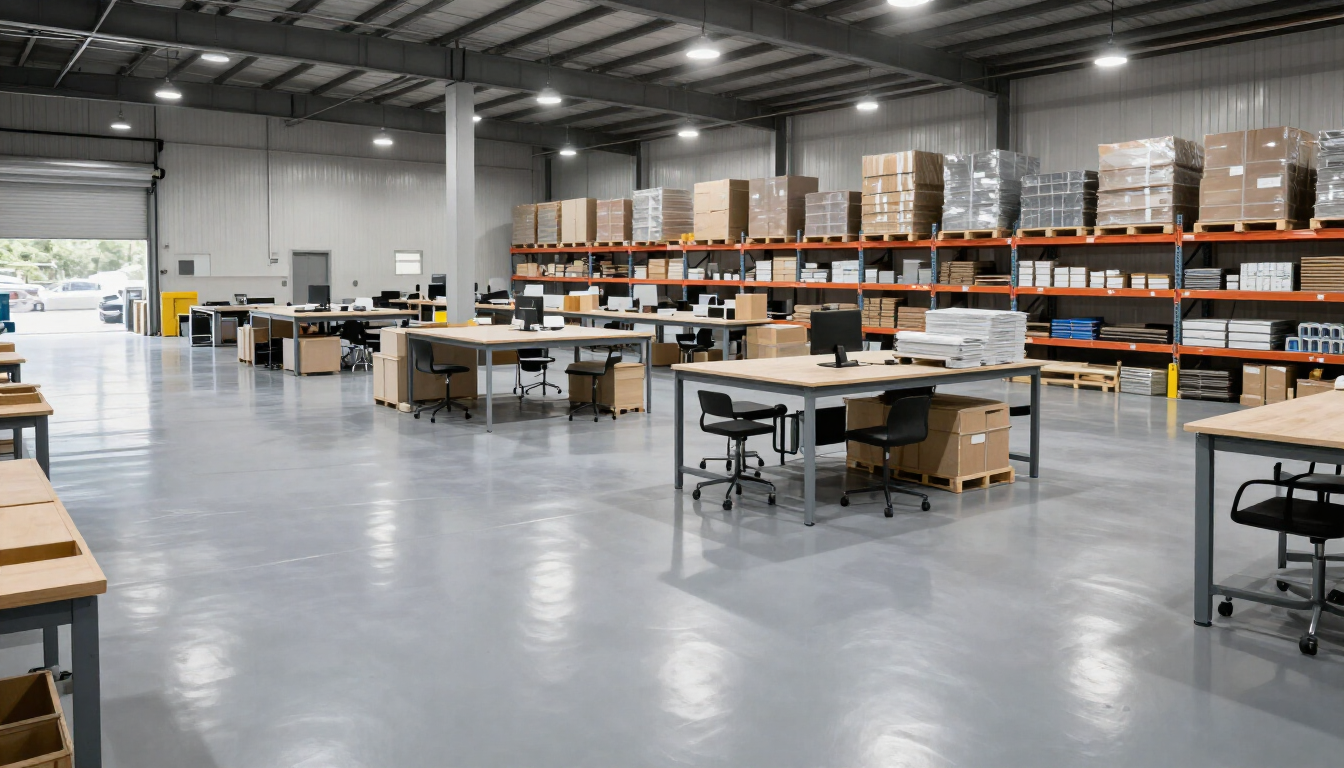
Commercial epoxy flooring in a bright warehouse
November 18, 2026
Learn why warehouses, shops, and workspaces choose commercial epoxy flooring for durability, easier cleaning, safer footing, and brighter interiors in the Upstate.
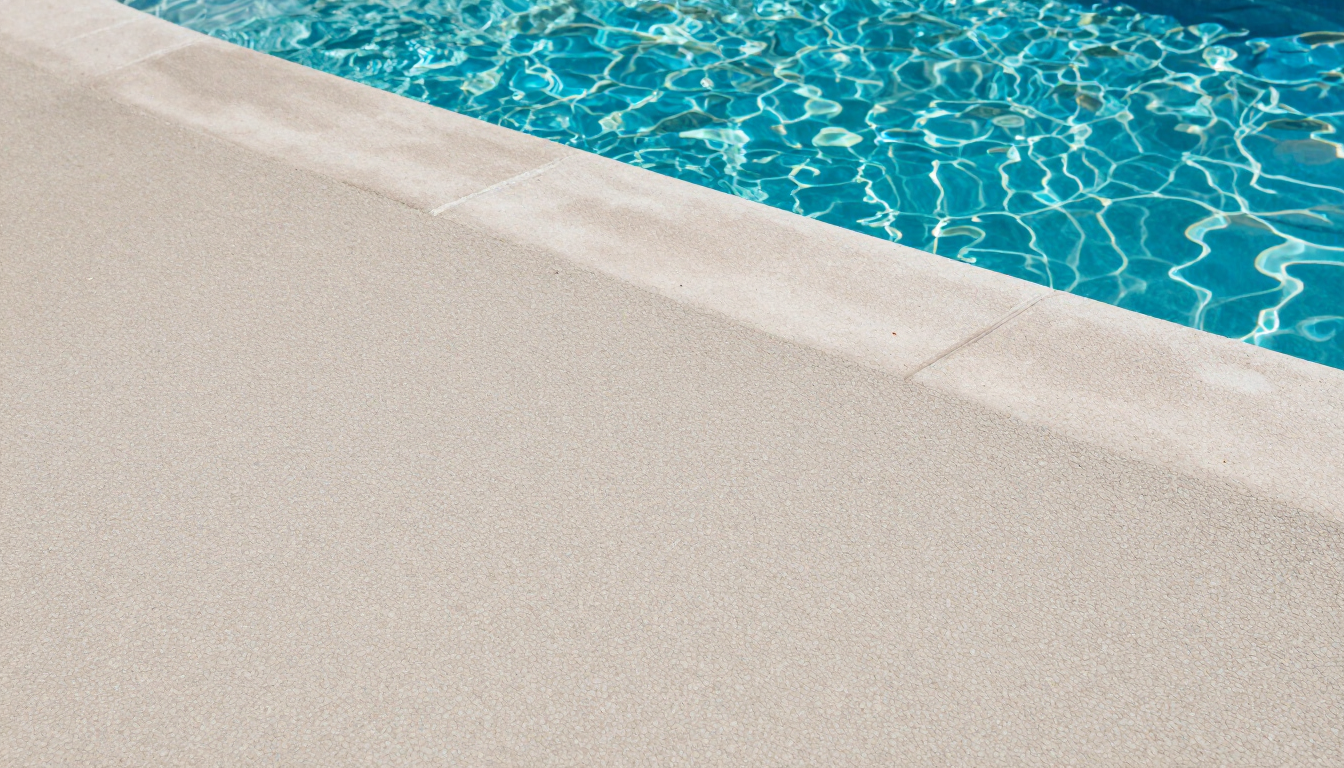
Anti-slip epoxy coatings on a pool deck
November 11, 2026
Learn how anti-slip epoxy coatings improve pool deck and patio safety, drainage, appearance, and durability in hot, humid Greenville, Travelers Rest, and Fountain Inn weather.
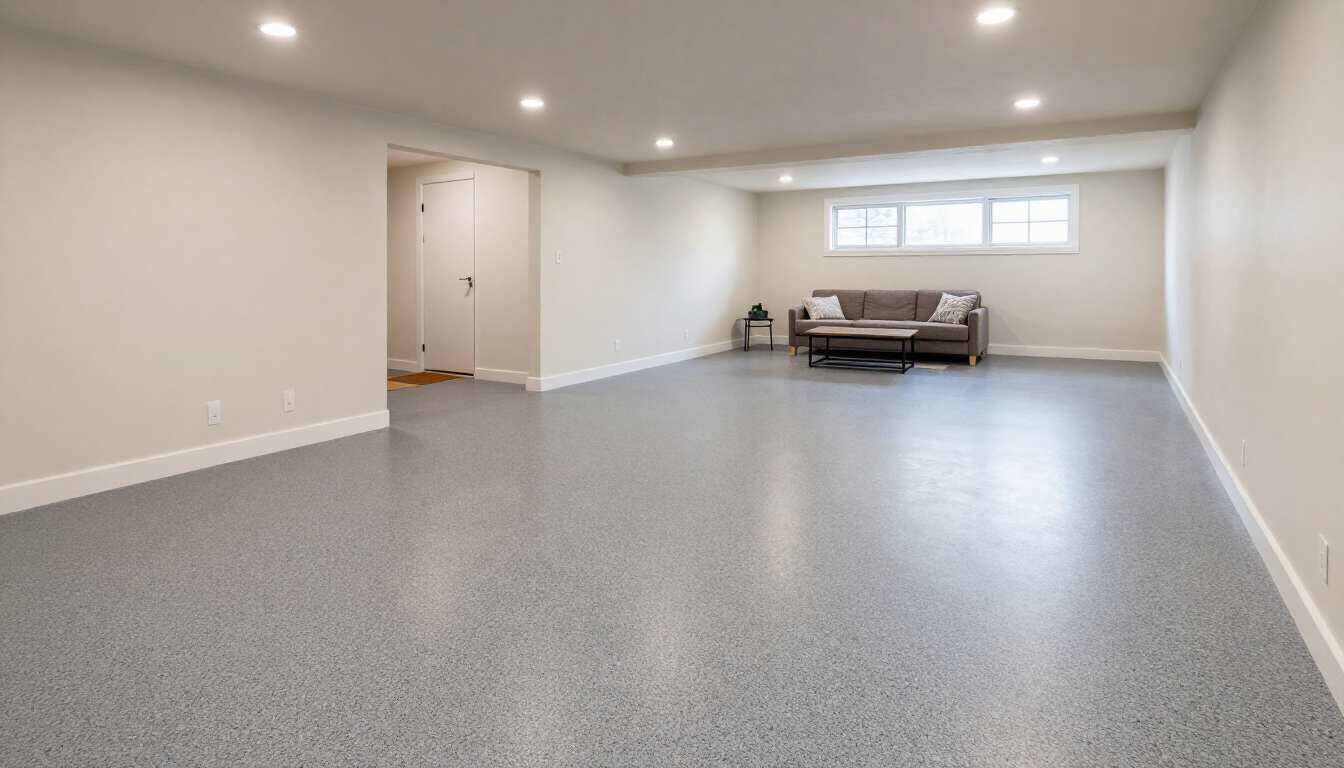
Basement epoxy floors after moisture testing and surface preparation
November 4, 2026
Learn why moisture testing and concrete surface preparation determine whether basement epoxy floors last, and how coatings can make damp-prone basements usable.
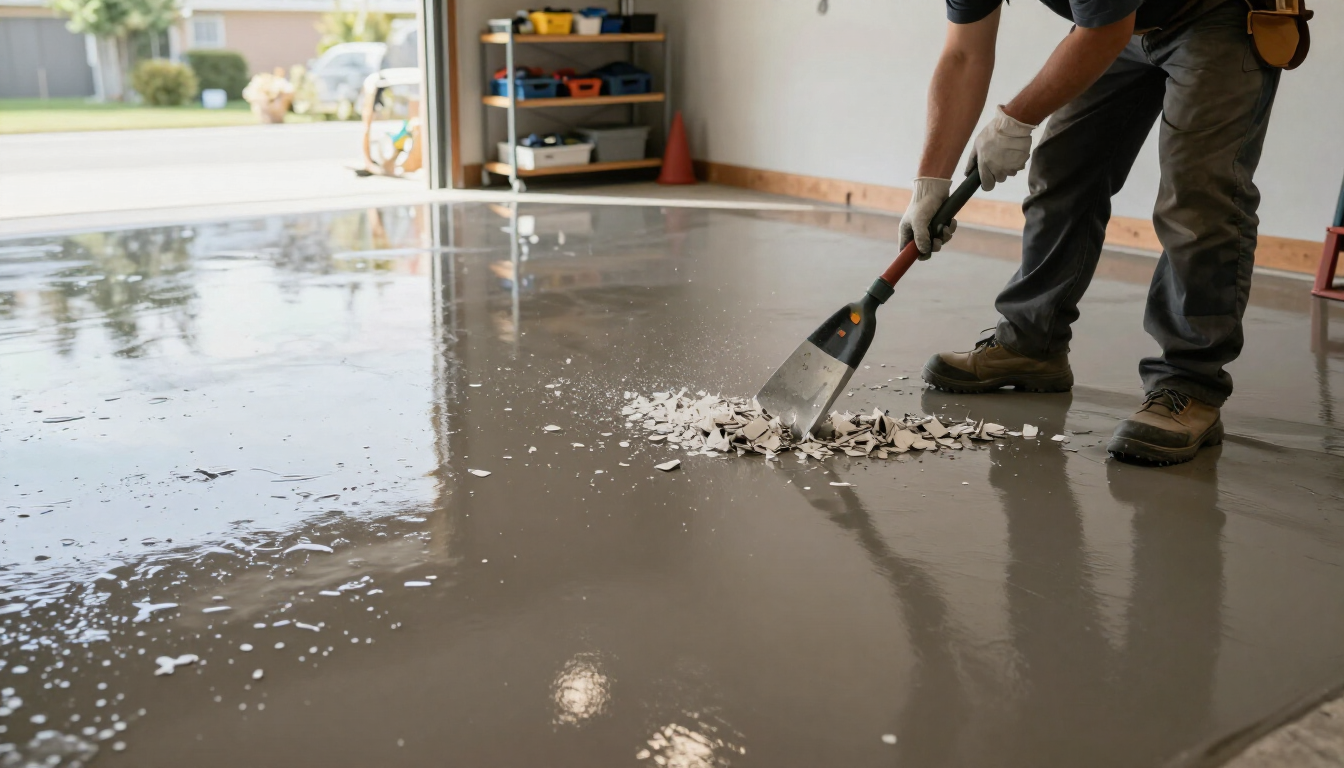
Epoxy installation with concrete grinding and floor preparation
October 28, 2026
Learn what happens during epoxy installation, from concrete grinding and repairs to coating and cleanup, plus how long a garage floor project takes in Greenville, Greer, and Mauldin.
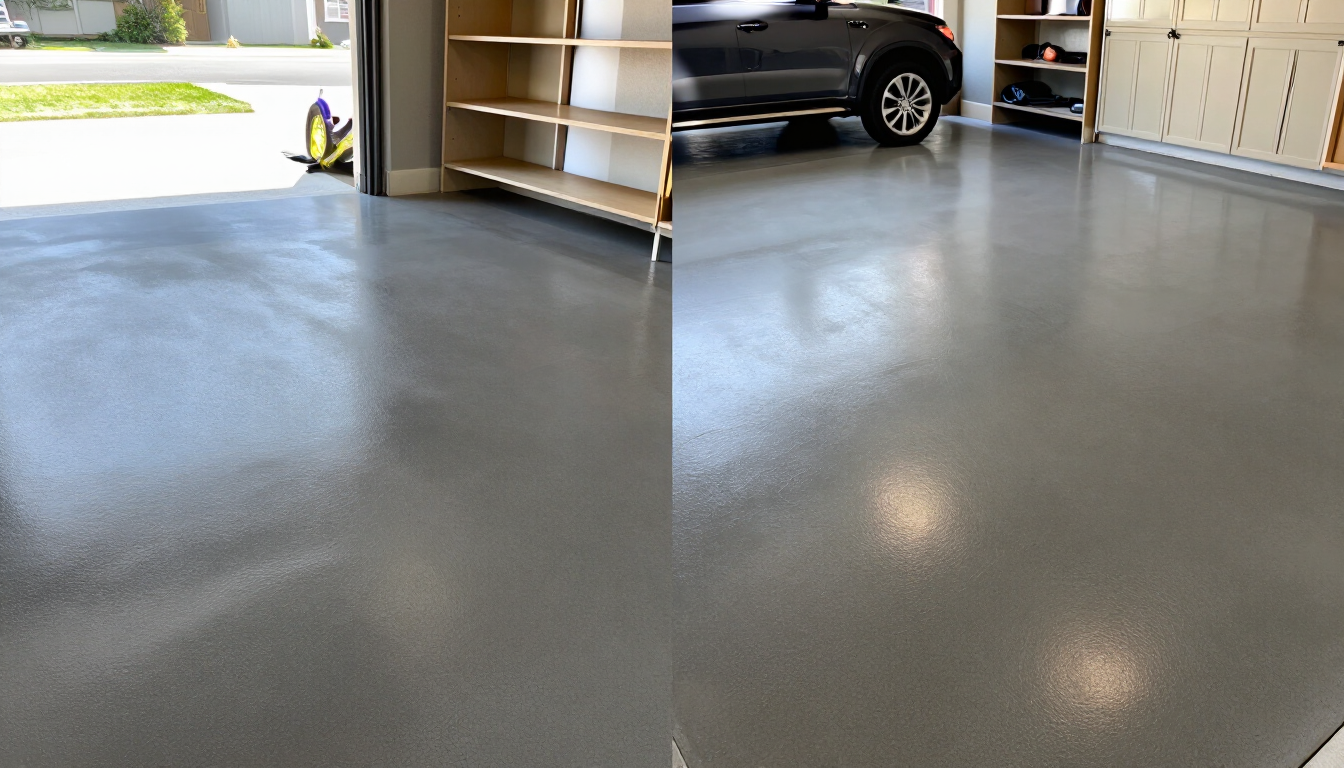
Epoxy vs polyaspartic garage floor coating comparison
October 21, 2026
Compare epoxy vs polyaspartic garage floors for durability, appearance, cost considerations, and installation in Greenville and Simpsonville, SC.
Professional commercial epoxy flooring in a clean Greenville warehouse.
October 14, 2026
Discover the benefits, technical requirements, and durability of commercial epoxy flooring for Greenville facilities. Learn how to choose the right coating for your space.
Decorative flake outdoor patio coating in Greenville, SC
October 7, 2026
Discover the best outdoor epoxy coatings for SC weather. Learn why polyaspartic systems outlast standard epoxy for Greenville patios and porches in the Upstate climate.
Professional contractor repairing concrete cracks for epoxy flooring installation
September 30, 2026
Learn if you can epoxy over a cracked concrete slab. Discover the professional process for repairing slab damage and choosing the right coating for your Greenville home.
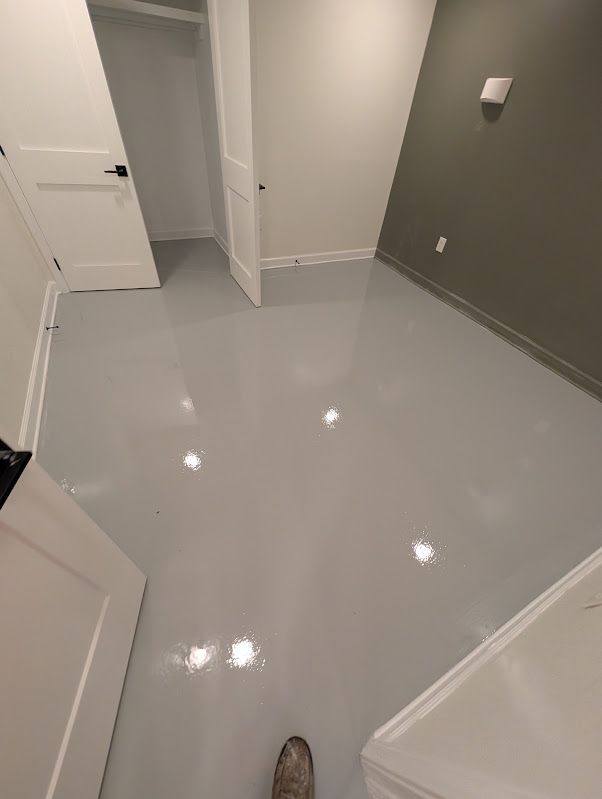
Cleaning a glossy epoxy garage floor with a microfiber mop
September 23, 2026
Discover professional tips on how to clean and maintain an epoxy floor. Learn about the best cleaners, daily care routines, and stain removal for durable garage floors in Greenville, SC.
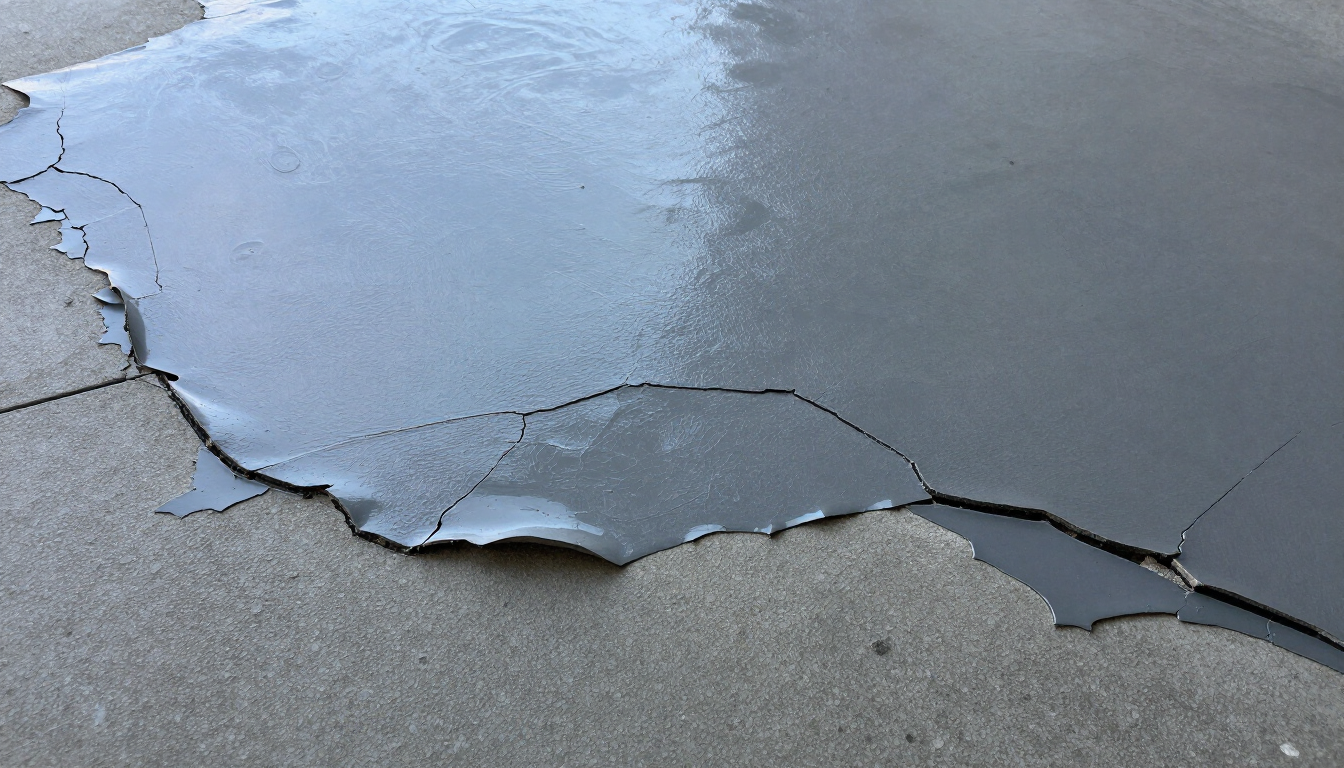
Close up of a failing epoxy floor coating with peeling and cracks.
September 16, 2026
Identify the 5 key signs of an epoxy floor coating failing, including peeling, bubbling, and yellowing. Learn how Greenville Epoxy Flooring rescues failing floors with professional grinding and moisture mitigation.

Show More